



Welcome to the exciting world of modern exploration. Whether you are wandering through bustling city streets or hiking remote mountain trails, being prepared is the foundation of a great journey. Embracing travel safety tips allows you to focus on the beauty of your surroundings rather than worrying about the unknown.
Our core philosophy centers on proactive awareness. By understanding your environment, you can transform potential stress into a rewarding adventure. Prioritizing travel safety ensures that every excursion remains a source of joy and discovery.
This guide serves as your comprehensive resource for navigating new destinations with confidence. We provide the tools you need to enhance your security while abroad, helping you stay alert and informed throughout your trip.
Key Takeaways
- Preparation is the foundation of a stress-free journey.
- Proactive awareness helps you navigate new environments with ease.
- Confidence grows when you understand your surroundings.
- Modern exploration requires a balance of curiosity and caution.
- Reliable information is your best asset while abroad.
Main Section 1: Before You Travel
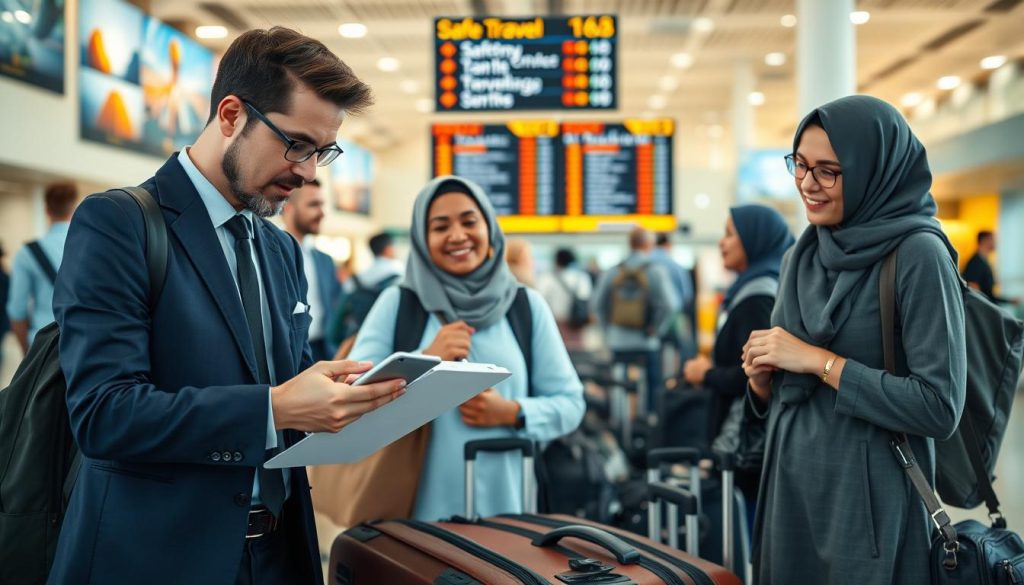
A successful journey begins long before you reach the airport terminal. By taking proactive steps at home, you can significantly improve your travel safety and peace of mind. Proper planning serves as the foundation for every great adventure.
Researching Your Destination’s Safety Levels
Before booking your flight, it is essential to understand the current climate of your chosen location. You should consult official government resources, such as the U.S. Department of State’s travel advisory website, to get accurate information.
These resources provide detailed reports on local laws, health risks, and potential security concerns. Following these safety tips for travelers will help you avoid high-risk areas and make informed decisions about your itinerary.
Preparing Emergency Contacts and Copies of Documents
Being prepared for the unexpected is a hallmark of a smart explorer. You should always keep both digital and physical copies of your vital documents in separate, secure locations.
- Passport and Visa: Keep a scanned copy in a secure cloud folder and a printed copy in your luggage.
- Travel Insurance: Save your policy number and the emergency assistance phone number on your phone.
- Emergency Contacts: Write down the contact information for your local embassy and a trusted family member.
Having these items ready ensures that you are never left stranded if your belongings are lost or stolen. Organization is your best defense against travel-related stress.
Choosing Accommodations Wisely
Where you stay plays a major role in your overall security. When selecting a hotel or rental, prioritize properties that have positive reviews regarding their location and staff responsiveness.
Look for accommodations that offer secure entry systems and 24-hour front desk service. It is also wise to check if the property is located in a well-lit, populated area rather than a secluded or industrial zone. Taking these extra moments to research your stay will pay off in comfort and confidence throughout your trip.
Main Section 2: Safety on the Road
Navigating unfamiliar streets is an exciting part of any trip, but it demands constant attention to your surroundings. Whether you are navigating a bustling subway system or strolling through a quiet neighborhood, maintaining personal safety while traveling is essential for a stress-free experience.
Best Practices for Using Public Transport
Public transit is often the most efficient way to see a city, but it requires a bit of extra caution. Always keep your bags zipped and positioned in front of your body to prevent pickpocketing in crowded carriages.
Try to avoid using public transport late at night on routes you do not know well. If you must travel after dark, stick to well-lit stations and consider using a reputable ride-sharing app instead. These travel safety tips help you stay in control of your journey at all times.
Staying Aware of Your Surroundings
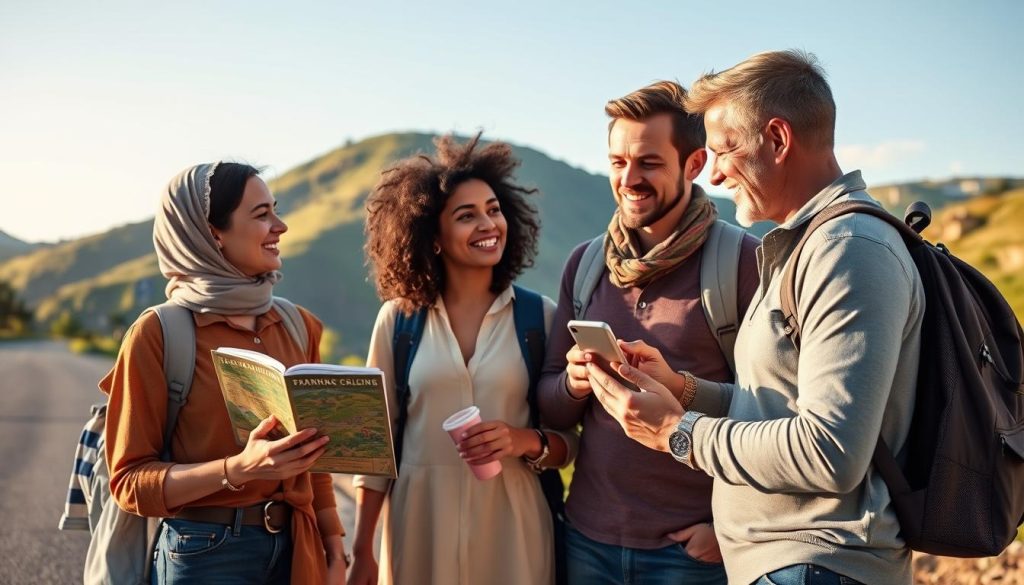
It is easy to get distracted by maps or your phone, but keeping your head up is vital. In busy tourist hubs, stay alert to avoid becoming a target for common scams or petty theft.
Trust your instincts if a situation feels uncomfortable or if someone is acting suspiciously. Moving with purpose and confidence often deters potential trouble, making these safety tips for travelers highly effective for maintaining your security.
Tips for Safe Walking and Biking
Exploring on foot or by bike offers a unique perspective of your destination. To stay safe, always remain visible by wearing bright clothing if you are out during the evening hours.
Stick to well-traveled, populated streets rather than taking shortcuts through dark alleys or isolated parks. By staying alert and aware of local traffic patterns, you can enjoy your adventure while prioritizing your personal safety while traveling. Remember that being prepared is the best way to ensure your trip remains a positive memory.
Main Section 3: Staying Healthy and Secure
A truly worry-free journey requires careful attention to both your physical health and your personal belongings. By following proactive travel safety tips, you can minimize risks and focus on enjoying your destination. Taking these steps early ensures that you are ready for any situation that might arise during your trip.
Importance of Travel Insurance
Travel insurance acts as a vital financial safety net for every explorer. It provides essential coverage if you face unexpected medical emergencies or sudden trip cancellations. Having this protection offers peace of mind, allowing you to handle unforeseen costs without stress.
Always review your policy details before you depart to understand exactly what is covered. Many plans offer 24/7 assistance services that can be a lifesaver in a foreign country. Investing in a quality policy is one of the smartest decisions you can make for your overall security.
Keeping Your Belongings Safe
Protecting your physical items is a core part of effective safety tips for travelers. Using anti-theft bags with locking zippers or hidden compartments can deter pickpockets in crowded areas. These simple tools make it much harder for opportunistic thieves to access your valuables.
When you arrive at your accommodation, always utilize the hotel safe for your passport, extra cash, and expensive electronics. Never leave your bags unattended in public spaces, even for a short moment. Staying vigilant with your gear helps you avoid the frustration of lost or stolen items.
Health Precautions and Vaccinations
Physical preparation is just as important as securing your luggage. Before you leave, research the specific health risks associated with your destination to determine if you need certain vaccinations. Consulting with a travel clinic or your primary doctor well in advance is a standard part of necessary travel precautions.
Pack a small medical kit containing basic supplies like bandages, antiseptic wipes, and any personal prescriptions you require. Staying hydrated and eating safely are also crucial habits to maintain your energy levels. By prioritizing your health, you ensure that you remain strong and active throughout your entire journey.
Main Section 4: Cultural Sensitivity and Communication
Blending into a new environment requires more than just a map; it demands cultural intelligence. By understanding the social norms of your destination, you can move through public spaces with confidence and ease. This approach is a cornerstone of secure traveling, as it helps you avoid drawing unnecessary attention to yourself.
Respecting Local Customs
Every culture has unique social etiquette that dictates how people interact and dress. Researching these norms before you arrive is one of the most important travel precautions you can take. When you dress modestly or follow local dining customs, you show respect to the residents.
This mutual respect often leads to warmer interactions and a more welcoming experience. Consider these general guidelines to help you fit in:
- Observe how locals dress in religious or rural areas and mirror their style.
- Learn the proper way to greet people, whether it is a handshake, a bow, or a nod.
- Understand tipping culture to avoid awkward or offensive situations in restaurants.
Learning Basic Local Language Phrases
You do not need to be fluent to make a positive impact. Learning a few key phrases in the local language is a powerful tool for secure traveling. It shows that you are making an effort to connect, which can de-escalate tense situations.
If you find yourself in a difficult spot, knowing how to ask for help or express gratitude can be a lifesaver. Simple phrases like “please,” “thank you,” and “where is the station?” go a long way. These small efforts serve as effective travel safety tips that bridge the gap between you and the local community.
Using Technology Wisely (like apps for navigation)
Modern technology is a great ally when you are exploring unfamiliar streets. However, constantly staring at your phone can make you appear like a vulnerable tourist. To maintain your safety, use your devices with intention and discretion.
Download offline maps before you leave your hotel so you can navigate without needing a constant data connection. If you need to check your route, step into a quiet shop or a cafe rather than standing on a busy street corner. By planning your path in advance, you project confidence and stay on track throughout your journey.
Conclusion
Smart exploration requires a blend of preparation and intuition. You hold the power to shape your experience by staying alert and informed in every new city you visit.
Applying these travel safety tips transforms how you interact with the world. You gain the freedom to explore hidden gems while keeping your focus on the joy of discovery. Reliable tools like Google Maps or the State Department’s Smart Traveler Enrollment Program help you maintain a high level of awareness.
True secure traveling relies on your ability to adapt to changing environments. You become a more capable explorer when you trust your instincts and keep your plans flexible. This mindset ensures you remain ready for any situation that arises during your trip.
Prioritizing your personal safety while traveling allows you to create lasting memories without unnecessary stress. Your commitment to these habits makes every journey smoother and more rewarding. Pack your bags with confidence and enjoy the incredible experiences waiting for you across the globe.