





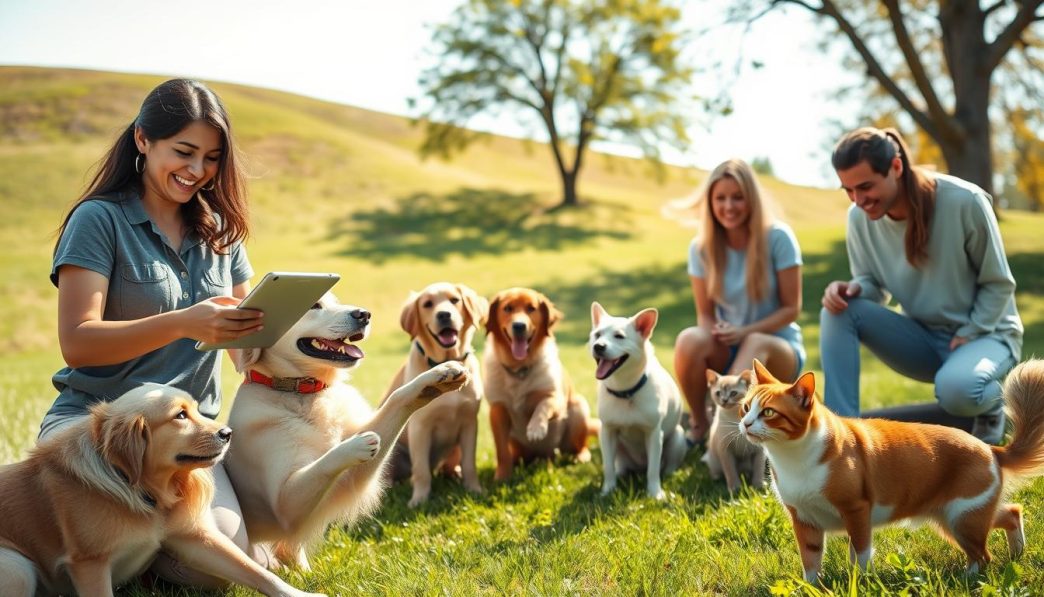
Modern animal education has evolved significantly across the United States. Today, owners are moving away from outdated methods and embracing science-backed strategies that prioritize mutual respect.
By utilizing modern pet training techniques, you can foster a deeper connection with your companion. These approaches focus on clear communication, which helps build trust and confidence in your furry friend.
Implementing effective pet training habits creates a harmonious home environment. When you understand how your animal learns, you unlock their true potential and ensure a lifetime of happiness together.
Key Takeaways
- Modern methods prioritize positive reinforcement over punishment.
- Clear communication is the foundation of a strong human-animal bond.
- Science-backed approaches lead to faster and more reliable results.
- Consistency in your daily routine helps animals feel secure and confident.
- Mutual respect creates a happier and more peaceful home environment.
Main Section 1: Foundations of Positive Reinforcement
The secret to a well-behaved companion lies in the science of positive reinforcement. Instead of focusing on punishing mistakes, this approach emphasizes rewarding the actions you want to see more often. By shifting your perspective, you create a supportive environment where your pet feels safe and eager to learn.
Understanding Positive Reinforcement
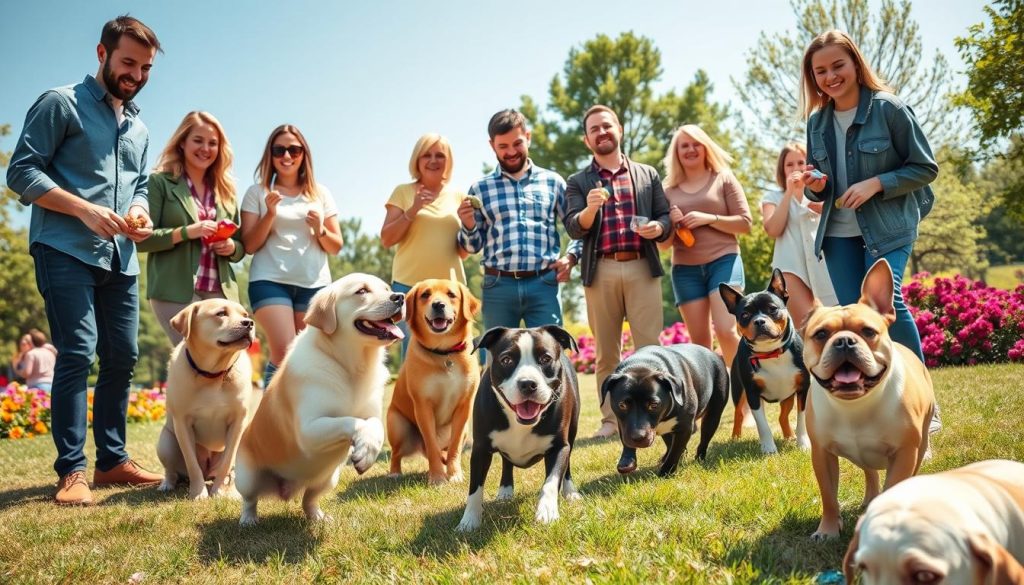
According to the American Veterinary Society of Animal Behavior, this method is defined as the addition of a pleasant stimulus to increase a desired behavior. When your pet performs a task correctly, you provide something they love, such as a treat or praise. This immediate feedback helps the animal connect their action to a positive outcome.
This philosophy moves away from outdated dominance-based training. It fosters trust rather than fear, which is essential for long-term success. When pets feel confident, they are much more likely to engage with new challenges and master complex commands.
Getting Started with Rewards
One of the most effective training tips for pets involves mastering the art of timing. You must deliver the reward the exact moment the desired behavior occurs. If you wait too long, your pet may become confused about which action earned the prize.
Consistency is equally vital to the process. Ensure that everyone in your household follows the same rules to avoid sending mixed signals to your animal. When you remain predictable, your pet learns faster and stays motivated throughout the session.
Finally, take the time to identify what truly motivates your specific companion. While some animals work hard for kibble, others might prefer a favorite toy or enthusiastic verbal praise. Finding these high-value rewards is one of the best training tips for pets to keep the learning process fun and engaging for everyone involved.
Main Section 2: Advanced Training Techniques
Precision is the secret ingredient when you want to teach your pet complex new skills. By moving beyond basic commands, you can unlock your pet’s full potential through structured and engaging mental challenges. These pet training techniques are designed to keep the experience entirely stress-free while fostering a deeper bond between you and your companion.
Clicker Training
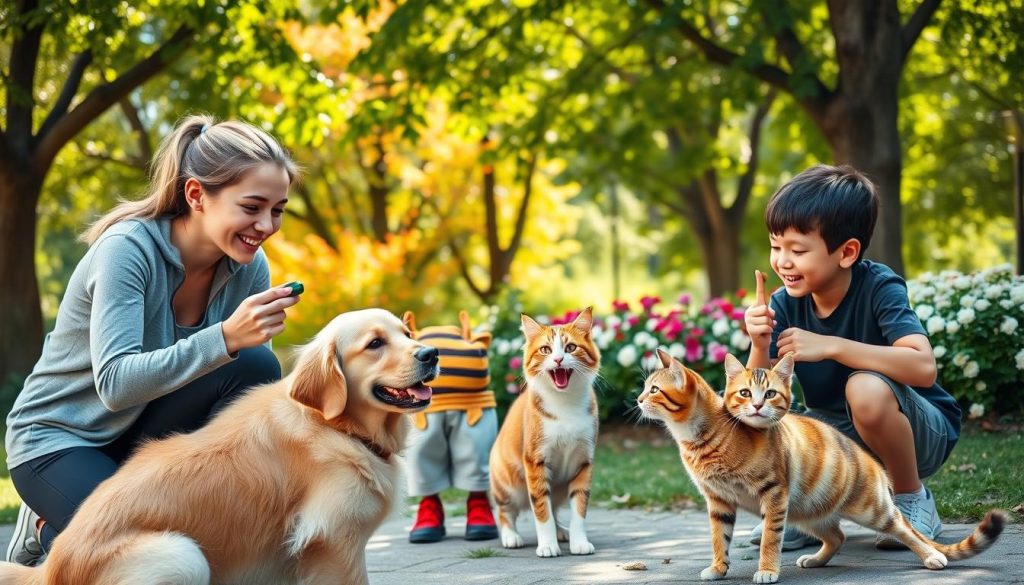
Clicker training is a highly effective method that utilizes a distinct sound marker to bridge the gap between a specific action and the delivery of a reward. When your pet performs the desired behavior, the immediate “click” tells them exactly what they did right. This clarity helps speed up the learning process significantly compared to verbal praise alone.
Because the sound is consistent, it removes the ambiguity often found in human speech. You can rely on this tool to mark precise moments, ensuring that your positive reinforcement is always timed perfectly. It is a fantastic way to teach everything from simple tricks to complex agility maneuvers.
Shaping Behaviors with Gradual Steps
Shaping is a powerful strategy that allows owners to build complex behaviors by rewarding small, incremental steps toward a final goal. Instead of waiting for the perfect performance, you reward the pet for moving in the right direction. This approach keeps your pet motivated and prevents frustration during the learning process.
By breaking down a task into manageable pieces, you make success feel attainable for your animal. This method relies heavily on positive reinforcement to encourage consistent progress. Over time, these small wins accumulate into impressive, reliable obedience commands that you can be proud of.
| Method | Primary Benefit | Best For |
|---|---|---|
| Clicker Training | High Precision | New Tricks |
| Shaping | Incremental Growth | Complex Tasks |
| Luring | Quick Guidance | Basic Positions |
Mastering these advanced pet training techniques requires patience and consistency. As you practice, you will notice your pet becoming more attentive and eager to participate in sessions. Enjoy the journey of discovery as you refine your communication and watch your pet thrive.
Main Section 3: Behavior Modification Strategies
You can transform your pet’s challenging habits by learning how to identify and manage their unique triggers. Addressing unwanted actions requires a deep understanding of why pets behave the way they do in specific situations. By focusing on behavior modification, you can help your companion feel more secure and calm in their daily life.
Understanding Triggers
Identifying environmental triggers is the first step in successful pet training for animals experiencing anxiety or reactivity. A trigger might be a loud noise, a specific person, or even a change in your home routine. When you notice your pet becoming tense, it is vital to observe what happened just moments before the reaction began.
Keeping a simple log of these incidents can reveal patterns that are not immediately obvious. Understanding these stressors allows you to proactively manage the environment before your pet feels the need to react. This level of awareness is the foundation of effective behavior modification.
Redirecting Negative Behaviors
Once you identify the cause of the stress, you can start using positive reinforcement to replace bad habits with good ones. Instead of punishing a reaction, focus on teaching your pet a new, incompatible behavior. For example, if your dog barks at the door, ask them to sit on a mat instead.
Here are some essential training tips for pets to help you redirect their energy:
- Reward calm choices immediately when your pet ignores a potential trigger.
- Use high-value treats to keep their focus on you during stressful encounters.
- Practice these skills in low-distraction environments before moving to more challenging areas.
By consistently applying these training tips for pets, you create a more harmonious living environment for everyone involved. Remember that positive reinforcement is a powerful tool that builds trust and confidence. With patience and consistency, you can help your pet navigate the world with much less stress.
Main Section 4: Resources for Pet Training
Navigating the world of animal training can feel overwhelming, but you do not have to do it alone. Even the most dedicated owners sometimes need extra guidance to reach their goals. Accessing the right educational resources ensures that you have the support necessary to overcome any challenges you might face during your training journey.
Online Training Courses
Digital platforms offer a wealth of structured lessons that make learning convenient and effective. Many of these courses provide step-by-step guides on clicker training, which is a highly efficient way to communicate with your animal. By following a curriculum, you can master essential training tips for pets from the comfort of your own home.
These programs often break down complex tasks into manageable segments. This approach helps you track your progress and stay motivated. Whether you are teaching basic commands or advanced obedience, online resources provide the consistency needed for long-term success.
The Role of Professional Trainers
Sometimes, you may encounter complex issues that require a more personalized touch. When you face persistent challenges, seeking the help of a professional trainer is a wise decision. These experts are skilled in behavior modification and can tailor their methods to your pet’s specific personality and needs.
The Association of Professional Dog Trainers provides a directory of certified experts who specialize in humane, science-based training methods. Working with a professional ensures that you are using safe techniques to address difficult habits. They provide the expert guidance necessary to foster a healthy, happy relationship with your companion.
| Resource Type | Best For | Key Benefit |
|---|---|---|
| Online Courses | Foundational Skills | Convenience and Pace |
| Professional Trainers | Complex Behavior Modification | Personalized Strategy |
| Community Groups | Socialization | Real-world Practice |
Conclusion
Mastering the art of pet training transforms your daily routine into a series of meaningful moments. You gain more than just an obedient companion when you commit to these proven methods.
Consistency remains the heartbeat of your success. Integrating clicker training into your sessions provides clear communication that your animal understands. This precision helps bridge the gap between human expectations and animal instincts.
Applying behavior modification techniques allows you to address challenges with empathy. You create a safe environment where your pet feels secure enough to learn new skills. Every small victory strengthens the trust between you and your furry friend.
Your journey toward a well-behaved pet is unique. Some days bring rapid progress while others require extra patience. Keep your focus on the long-term connection you are building together.
Share your experiences with local communities or online groups to keep your motivation high. What specific skill are you planning to teach your pet this week? Let us know how your progress unfolds as you continue this rewarding path of mutual growth.