




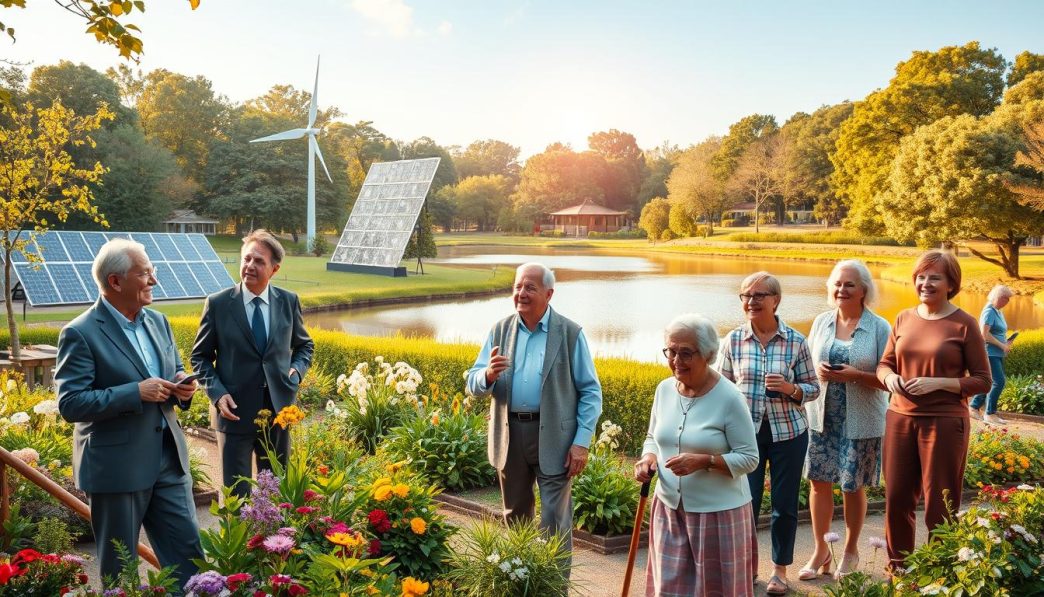
Have you ever wondered why some people seem to thrive well into their later years? While genetics play a role, your daily surroundings are just as vital. Understanding the environmental impact on lifespan is a critical step for anyone hoping to boost their long-term wellness.
Our health is deeply tied to the world around us. From the air we breathe to the communities we build, various environmental factors quietly guide our biological aging process. By taking a closer look at these external conditions, you can make smarter choices to protect your lifespan and improve your quality of life. Let’s explore how your home and neighborhood act as the foundation for your personal health journey.
Key Takeaways
- Genetics are only one piece of the puzzle regarding your health.
- Your daily surroundings significantly influence how you age over time.
- Small changes to your living space can lead to better wellness outcomes.
- External conditions affect your body’s biological clock every single day.
- Taking control of your surroundings is a proactive step toward longevity.
Main Section 1: Urban vs. Rural Living
The environment surrounding your home acts as a silent architect of your daily well-being. Where you choose to reside influences everything from your heart rate to your long-term mental health. Understanding the trade-offs between different settings is essential for anyone looking to optimize their lifespan.
The Stress of Urban Environments
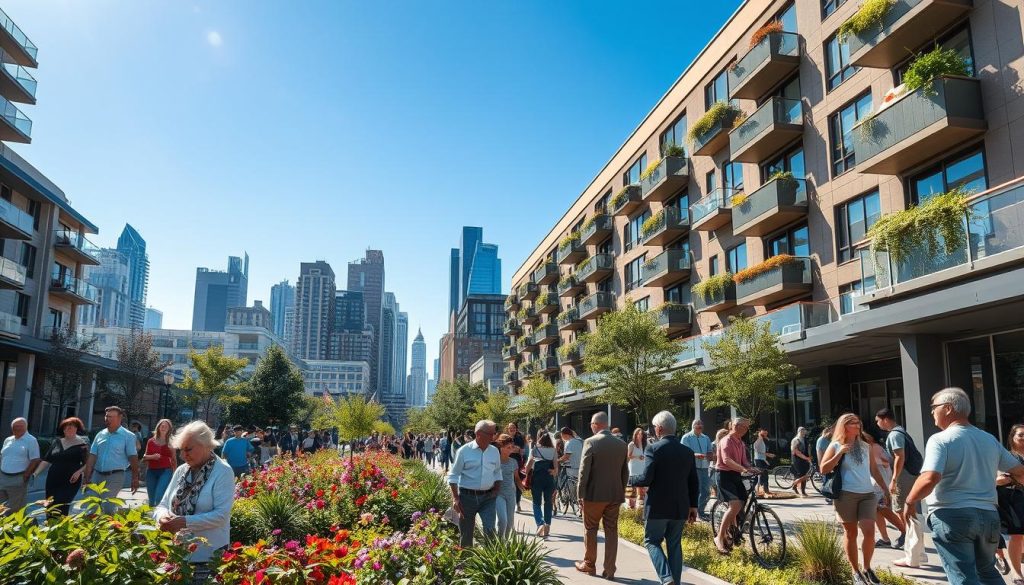
Modern urban living often comes with a hidden cost that many residents overlook. The constant exposure to high-decibel noise, artificial light, and crowded spaces can keep the body in a state of high alert. This chronic activation of the stress response system may lead to long-term health complications.
City dwellers frequently face higher levels of cortisol due to the relentless pace of their surroundings. This environment makes it difficult for the nervous system to fully recover after a long day. Constant stimulation is a hallmark of the metropolitan experience, which can drain your energy reserves over time.
Benefits of Rural Living
In contrast, rural settings offer a profound connection to nature that acts as a natural buffer against modern stressors. The slower pace of life in the countryside allows for better sleep quality and lower blood pressure. Many people find that the absence of constant background noise helps them regain a sense of inner calm.
Living in a rural area encourages a more active lifestyle that is often tied to the outdoors. Whether it is walking through open fields or simply enjoying cleaner air, these factors contribute to a more restorative daily routine. Research suggests that regular exposure to green landscapes can significantly improve mood and cognitive function.
- Reduced noise pollution leads to better restorative sleep.
- Access to open spaces encourages physical activity.
- Lower population density fosters a stronger sense of community.
- Cleaner air quality supports better respiratory health.
Finding Balance in Urban Spaces
If you must remain in a city, you can still cultivate a healthier lifestyle by intentionally integrating nature into your daily schedule. Small changes can make a significant difference in how your body handles the pressures of urban living. You do not need to move to the countryside to find peace.
Try to create a sanctuary within your own home by adding indoor plants or using natural light to your advantage. Dedicating time each week to visit local parks or botanical gardens can provide the mental reset you need. Consistency is key when trying to maintain balance in a fast-paced world.
Main Section 2: Green Spaces and Health
Access to nature is not just a luxury; it is a fundamental requirement for human health. When we surround ourselves with living landscapes, our bodies and minds begin to thrive in ways that concrete jungles simply cannot support.
The Importance of Parks and Nature
Proximity to public parks serves as a natural remedy for the stresses of modern life. Scientific studies consistently show that spending time in green spaces helps lower cortisol levels, which is the body’s primary stress hormone.
These areas also encourage physical activity by providing safe, inviting paths for walking, jogging, or cycling. When neighborhoods prioritize these healthy environments, residents are far more likely to engage in regular exercise, leading to improved cardiovascular health.
“In every walk with nature, one receives far more than he seeks.”
Gardening for Longevity
Gardening offers a unique blend of physical movement and mental relaxation that contributes directly to a longer life. This hobby requires gentle, sustained activity that keeps joints flexible and muscles toned without the strain of high-intensity workouts.
Beyond the physical perks, the act of nurturing plants provides a profound sense of purpose. Many people find that tending to a garden reduces feelings of isolation and fosters a deeper connection to the natural world.
Community Initiatives for Greener Cities
Community-led projects are successfully turning gray, concrete-heavy urban landscapes into vibrant, breathable neighborhoods. These initiatives often involve converting vacant lots into shared vegetable patches or pocket parks.
These efforts create healthy environments that benefit everyone in the vicinity. By working together, neighbors can achieve several key goals:
- Improving local air quality through increased vegetation.
- Creating social hubs that strengthen community bonds.
- Reducing the “urban heat island” effect in densely populated areas.
When citizens take the lead in greening their surroundings, they build a legacy of wellness for future generations. This collective action proves that even small patches of nature can make a massive difference in our overall lifespan.
Main Section 3: Pollution and Its Effects on Lifespan
Pollution acts as a silent thief, slowly robbing us of our precious time on earth. While we often focus on diet and exercise, the quality of our surroundings serves as a fundamental pillar of our overall lifespan. Ignoring these external factors can lead to long-term health complications that remain hidden for years.

Air Quality and Respiratory Health
Poor air quality is one of the most significant contributors to declining health in modern society. When we inhale fine particulate matter, it travels deep into our lungs and enters the bloodstream. This persistent exposure can trigger inflammation, which eventually damages cardiovascular function over time.
“The air we breathe is the most intimate connection we have with our environment, and its purity is non-negotiable for long-term vitality.”
Studies consistently show that individuals living in areas with high levels of pollution face a higher risk of chronic respiratory conditions. Protecting your lungs is not just about avoiding smoke; it is about being mindful of the invisible particles present in your daily commute or neighborhood.
Water Quality and its Impact on Health
Water is essential for every physiological process in the human body. Unfortunately, contaminants like lead, pesticides, and industrial chemicals can find their way into our tap water. These substances often accumulate in our systems, leading to subtle but damaging effects on our organs over many decades.
It is important to understand that water safety standards vary by region. Even if your water meets basic legal requirements, it may still contain trace elements that are not ideal for long-term wellness. Being proactive about what you consume is a vital step in safeguarding your health.
Mitigating Environmental Risks
Creating healthy environments starts with the choices you make inside your own home. You do not have to accept the status quo when it comes to the air and water you interact with daily. Simple, effective strategies can significantly reduce your exposure to harmful toxins.
Consider these actionable steps to improve your immediate surroundings:
- Install high-quality air purifiers with HEPA filters to capture dust, pollen, and fine particulates.
- Use certified water filtration systems at your kitchen sink to remove heavy metals and chemical residues.
- Monitor local air quality reports and limit outdoor exercise on days when pollution levels are high.
- Ventilate your home regularly to prevent the buildup of indoor pollutants like volatile organic compounds.
By taking these small but consistent actions, you take control of your environment. This proactive approach helps ensure that your home remains a sanctuary for your health, ultimately supporting a longer and more vibrant life.
Main Section 4: Sustainable Living for Future Generations
Building a sustainable future requires us to rethink how we interact with our immediate surroundings every single day. When we prioritize the health of our planet, we naturally create a foundation for our own long-term well-being. Small changes in our daily routines can lead to significant improvements in our physical and mental health.
The Role of Eco-Friendly Practices
Adopting eco-friendly habits is a powerful way to reduce your individual carbon footprint. By choosing energy-efficient appliances and reducing waste, you directly contribute to better air and water quality in your local area. This is especially important for those engaged in urban living, where high population density often puts a strain on natural resources.
Simple actions like composting, using public transportation, or choosing sustainable products help lower the levels of pollutants in our environment. These practices do more than just protect the earth; they create a cleaner, safer space for you to thrive. When we minimize our impact, we ensure that our homes remain supportive of human health for years to come.
Community Involvement in Sustainability
Individual efforts are essential, but collective action creates the most lasting change. When neighbors work together to improve their surroundings, they build a stronger, more resilient community. This often involves advocating for more green spaces, which are vital for reducing urban heat and improving air quality.
Community gardens and local sustainability initiatives provide a sense of purpose and connection. These projects allow people to share resources and knowledge, making it easier for everyone to adopt healthier habits. By working together, we can transform our neighborhoods into vibrant, healthy environments that support longevity for all generations.
| Sustainable Practice | Primary Health Benefit | Environmental Impact |
|---|---|---|
| Community Gardening | Increased physical activity | Expansion of green spaces |
| Public Transit Use | Reduced stress levels | Lower carbon emissions |
| Waste Reduction | Cleaner living environment | Less landfill pollution |
Conclusion
Your surroundings play a massive role in your long-term wellness. Understanding the environmental impact on lifespan allows you to make better choices for your home and community.
You hold the power to shape your daily experience. Small shifts in your habits help lower your exposure to harmful pollution. Simple actions like choosing air-purifying plants or supporting local clean energy initiatives from companies like Tesla or Sunrun create a safer space for your family.
Awareness remains your best tool for longevity. By staying informed about the environmental impact on lifespan, you can advocate for cleaner air and water in your neighborhood. Reducing pollution starts with individual accountability and collective action.
Start your journey toward a vibrant life today. Pick one sustainable change to implement this week. Your future self will appreciate the effort you put into building a healthier world right now.