






We stand at a unique crossroads in American healthcare. New digital tools change how we view our biological lifespan every single day.
This shift moves us away from reactive medical care. Instead, we embrace proactive wellness management. The intersection of technology and longevity creates fresh paths for healthy aging.
By using these modern systems, you gain control over your future health. Personalized data empowers better daily choices. This progress in technology helps us reach a higher state of longevity, ensuring a vibrant life for years to come.
Key Takeaways
- Digital tools shift healthcare from reactive to proactive models.
- Personalized data allows for better daily wellness decisions.
- Modern innovations help individuals manage their biological future.
- Healthy aging is now supported by advanced digital systems.
- Taking control of health outcomes improves overall quality of life.
Main Section 1: Wearable Technology and Health Monitoring
Wearable devices have moved beyond simple step counting to become essential tools for personal health management. This evolution in health technology allows individuals to gain a deeper understanding of their bodies in real time. By capturing continuous data, these gadgets provide a comprehensive view of our daily physiological performance.

Benefits of Wearables for Health Tracking
Modern sensors integrated into wearable devices track vital signs with impressive accuracy. Users can monitor their heart rate variability, blood oxygen levels, and sleep quality without visiting a clinic. This constant stream of information helps identify trends that might otherwise go unnoticed.
“The greatest wealth is health, and technology is now the bridge that helps us protect it.”
Applications for Seniors
For the aging population, these tools offer a vital sense of security. Health technology enables seniors to live independently while keeping their families informed about their well-being. Many devices now include fall detection and emergency alert features that provide immediate peace of mind to caregivers.
- Automatic fall detection sensors.
- Medication reminders synced to mobile apps.
- Real-time heart rate monitoring for early warning signs.
Data-Driven Insights for Personalized Health
The true power of these devices lies in the ability to turn raw data into actionable lifestyle choices. When users review their long-term health metrics, they often feel more motivated to improve their diet or exercise routines. This granular approach to wellness is a cornerstone of modern longevity.
By analyzing patterns over weeks or months, individuals can make informed decisions that support their long-term vitality. Embracing these digital tools is no longer just a trend; it is a proactive strategy for a healthier future.
Main Section 2: Advances in Telemedicine
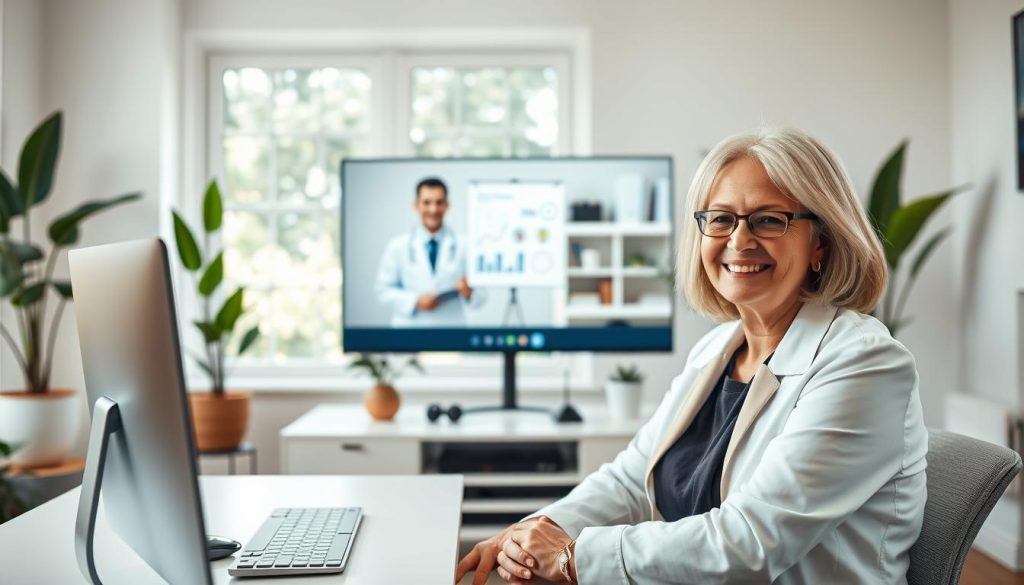
Telemedicine has emerged as a vital lifeline for aging populations across the United States. By leveraging modern health technology, patients can now bypass the physical strain of traveling to clinics. This shift ensures that high-quality medical guidance is available regardless of where a person lives.
Accessibility of Virtual Healthcare
Virtual consultations effectively remove the geographical barriers that often prevent seniors from seeking timely advice. Patients can connect with specialists from the comfort of their own homes using simple digital interfaces. This seamless connection fosters a sense of security and independence for those who may have limited mobility.
Mental Health Services through Technology
Emotional well-being is a critical component of the aging process that often goes overlooked. New digital platforms now integrate mental health services directly into the standard care model. Through secure video calls, seniors can access therapy and counseling to manage feelings of isolation or anxiety. This proactive approach ensures that mental health is treated with the same importance as physical health.
Regular Check-ups Made Easy
Consistent monitoring is essential for managing chronic conditions effectively. Telemedicine simplifies the check-up process by allowing doctors to review vital signs and symptoms remotely. These frequent, low-stress interactions help catch potential issues before they become serious emergencies. By streamlining these routine visits, health technology empowers patients to maintain their quality of life while staying closely connected to their medical teams.
Main Section 3: The Role of AI and Big Data in Health
We are witnessing a massive shift in digital health as artificial intelligence begins to decode the complexities of human biology. By processing vast datasets, this technology allows researchers and doctors to see patterns that were previously invisible to the human eye. This transformation is not just about faster computers; it is about creating a more proactive approach to our well-being.
Predictive Analytics and Longevity
Predictive analytics acts as an early warning system for the human body. By analyzing historical health records and real-time data, algorithms can identify potential risks before they manifest into serious clinical issues. This shift toward prevention helps individuals take control of their health long before a crisis occurs.
These systems monitor subtle changes in vital signs or activity levels. When the technology detects an anomaly, it alerts both the patient and their healthcare provider. This timely intervention is a cornerstone of modern digital health strategies aimed at extending the human lifespan.
AI in Drug Development
The traditional process of creating new medicines is often slow and expensive. AI is changing this by using advanced simulations to identify life-extending compounds at record speeds. Instead of testing thousands of physical samples, researchers can now model how molecules interact with the body in a virtual environment.
- Reduced time for clinical trials.
- Lower costs for pharmaceutical research.
- Higher success rates for new drug discovery.
Personalizing Healthcare with AI
Healthcare is moving away from a “one-size-fits-all” model toward highly tailored plans. AI analyzes an individual’s unique genetic profile alongside their daily lifestyle data to suggest specific interventions. This level of precision ensures that treatments are more effective and have fewer side effects.
| Feature | Traditional Medicine | AI-Driven Healthcare |
|---|---|---|
| Diagnosis Speed | Days or Weeks | Minutes or Hours |
| Treatment Focus | General Population | Individual Genetic Profile |
| Data Usage | Limited Records | Big Data Integration |
| Outcome Goal | Symptom Management | Predictive Prevention |
Main Section 4: Future Trends in Aging Technology
Looking ahead, the next wave of innovation promises to redefine what it means to grow older in a connected world. As we embrace these advancements, the focus shifts toward enhancing longevity through seamless digital integration. These emerging tools are designed to support independence while keeping individuals connected to their communities.
Virtual Reality for Aging Experiences
Virtual reality is moving beyond gaming to become a powerful tool for cognitive health. By providing immersive environments, these systems offer mental stimulation for those with limited physical mobility. Users can explore distant landscapes or revisit familiar memories from the comfort of their own homes.
This technology helps reduce feelings of isolation by creating shared digital spaces. It serves as a bridge, allowing seniors to engage in activities that might otherwise be physically challenging. Such aging tech solutions are proving essential for maintaining mental sharpness and emotional well-being.
Smart Home Technologies
The modern home is becoming a proactive partner in the aging process. Automated safety sensors now monitor daily routines to detect potential falls or unusual patterns in real-time. These systems provide peace of mind to both the residents and their families.
Voice-activated assistants have also become central to the smart home ecosystem. They allow users to control lighting, temperature, and communication devices without needing complex interfaces. This frictionless interaction is a cornerstone of successful aging in place.
Innovations on the Horizon
The future of health monitoring lies in non-invasive, continuous data collection. We expect to see more wearable devices that track biomarkers without requiring constant manual input. These innovations will provide a more holistic view of personal health trends over time.
Researchers are also exploring robotics to assist with daily chores and physical support. These developments aim to balance human care with machine efficiency. The following table highlights how these various technologies compare in their primary functions.
| Technology Type | Primary Benefit | Target User Need |
|---|---|---|
| Virtual Reality | Cognitive Stimulation | Mental Engagement |
| Smart Sensors | Fall Detection | Physical Safety |
| Voice Assistants | Home Automation | Daily Convenience |
| Wearable Monitors | Health Tracking | Preventive Care |
Conclusion
Innovation serves as the bridge between our current capabilities and a future defined by vitality. The intersection of technology and longevity offers a unique path toward extending both our lifespan and our daily healthspan.
Digital tools now provide the necessary framework to manage complex health needs with ease. Integrating these systems into your routine creates a proactive approach to wellness that was once impossible. This synergy between human health and modern digital tools remains essential for navigating the challenges of an aging society.
Staying informed about these rapid advancements allows you to take control of your personal wellness journey. You can better prepare for a future where technology and longevity go hand in hand by adopting these smart solutions today. Small changes in how you monitor your data lead to significant improvements in your overall quality of life.
We encourage you to explore the latest devices from companies like Apple or Fitbit to see how they fit your needs. Embracing these digital solutions fosters a more vibrant life for everyone. Start your journey toward a longer, healthier future by engaging with these tools right now.