

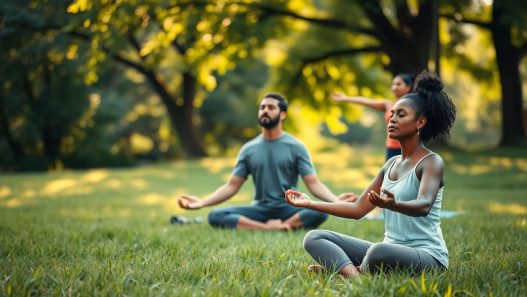


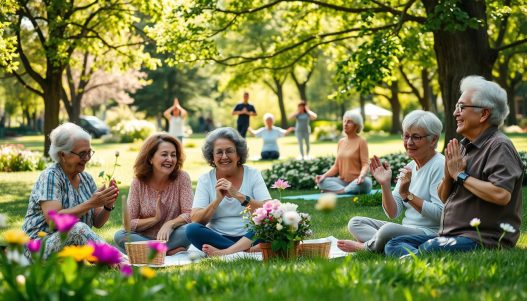
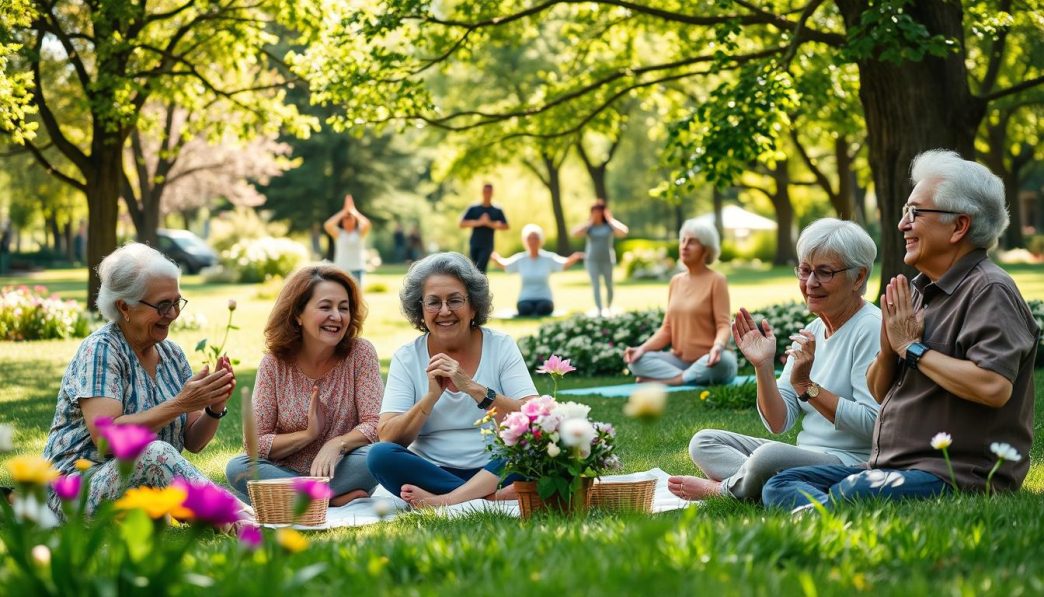
Most people focus on nutrition or gym routines to add years to their lives. Yet, they often ignore the silent engine driving their physical state: their inner world. True emotional health and longevity are deeply connected, forming a hidden foundation for a vibrant existence.
Your internal state dictates how your body reacts to stress and recovery. By nurturing emotional health, you unlock a powerful tool for lasting vitality. This shift moves us beyond standard wellness advice into a deeper understanding of human biology.
We will explore how your mindset shapes your physical reality. You will learn practical steps to build a resilient spirit that supports your body for decades to come. Let us begin this journey toward a more balanced life.
Key Takeaways
- Internal states act as a primary driver for physical vitality.
- Traditional wellness often overlooks the power of our mindset.
- Resilience helps the body recover from daily stress more effectively.
- Small shifts in perspective lead to significant long-term benefits.
- Cultivating a positive inner world supports a longer, more vibrant life.
Main Section 1: The Science Behind Emotional Health
Science now confirms that our emotional health acts as a blueprint for our cellular health. Every feeling we experience triggers a cascade of chemical signals that influence how our bodies function at a microscopic level. By understanding these biological roots, we can better appreciate how our internal state directly shapes our longevity.

Emotional Resilience and Aging
Resilience serves as a vital buffer against the natural wear and tear that comes with getting older. When we face life’s inevitable challenges, our ability to bounce back prevents prolonged physiological strain. This protective mechanism helps maintain homeostasis, ensuring that our systems remain balanced even during difficult times.
The Role of Emotional Intelligence
Developing high emotional intelligence allows us to navigate complex social and personal environments with greater ease. By recognizing and regulating our own reactions, we reduce the unnecessary friction that often leads to physical exhaustion. This skill set is not just for social success; it is a fundamental tool for preserving our internal energy over the long term.
Stress and its Impact on Lifespan
Effective stress management is essential for preventing the premature shortening of telomeres. Telomeres are the protective caps on our DNA, and their degradation is a primary marker of biological aging. When we fail to manage chronic pressure, these markers shorten faster, effectively accelerating the aging process at a cellular level.
| Factor | Biological Impact | Longevity Outcome |
|---|---|---|
| Chronic Stress | Telomere Shortening | Reduced Lifespan |
| High Resilience | Cellular Protection | Increased Vitality |
| Emotional Intelligence | Reduced Cortisol | Improved Health Span |
Main Section 2: Practices to Enhance Emotional Health
Transforming your emotional health is possible through a combination of mindfulness, cognitive shifts, and creative expression. By integrating these habits into your lifestyle, you can build a stronger foundation for long-term mental well-being. These strategies serve as essential tools for navigating the complexities of modern life with grace.
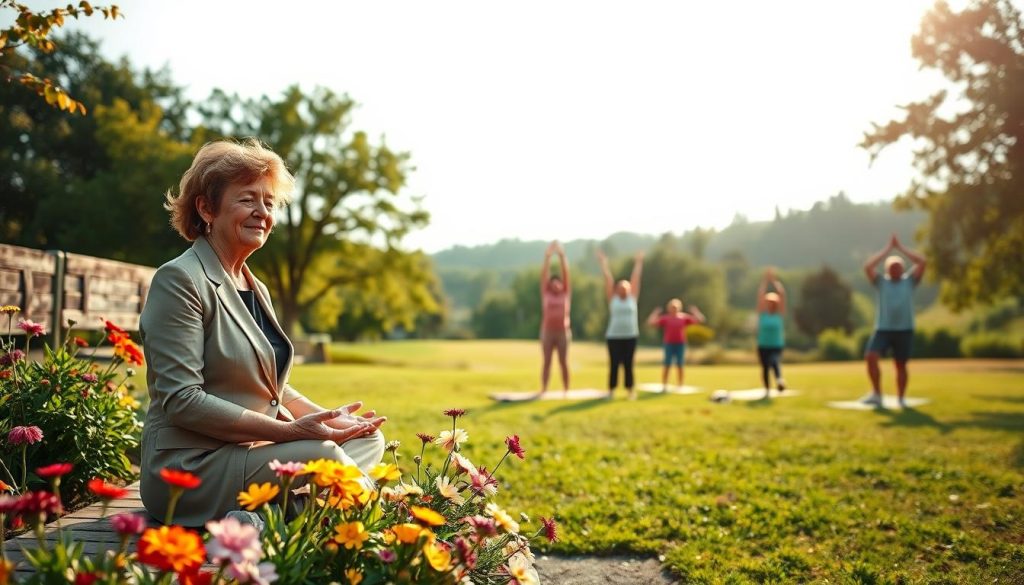
Mindfulness and Meditation Techniques
Mindfulness involves staying present in the current moment without judgment. This practice is highly effective for stress management because it helps lower cortisol levels in the body. You can start by dedicating just ten minutes each day to focused breathing or guided meditation.
Consistency is the key to seeing real results. Many people find that using apps like Headspace or Calm provides the structure needed to build a lasting habit. Over time, these techniques allow you to observe your thoughts rather than becoming overwhelmed by them.
The Power of Positive Thinking
Shifting your mindset toward optimism can actually rewire your neural pathways. This process, often called neuroplasticity, helps you foster a more consistent sense of happiness. Instead of focusing on limitations, try to identify three things you are grateful for every morning.
Positive thinking does not mean ignoring life’s challenges. It means choosing to view obstacles as opportunities for growth rather than permanent setbacks. This simple shift in perspective can significantly improve your overall outlook on life.
Emotional Expression through Art and Creativity
Engaging in creative outlets allows for the healthy processing of complex emotions. Whether you enjoy painting, writing, or playing music, these activities provide a safe space to release pent-up tension. Creativity acts as a powerful form of stress management that keeps your mind flexible and resilient.
You do not need to be a professional artist to benefit from these practices. The goal is the act of creation itself, not the final product. By expressing yourself, you gain clarity and reduce the emotional weight that often accumulates during a busy week.
| Practice | Primary Benefit | Time Commitment |
|---|---|---|
| Mindfulness | Reduced Anxiety | 10-15 Minutes |
| Positive Thinking | Increased Happiness | Daily Reflection |
| Creative Arts | Emotional Release | Flexible |
Main Section 3: The Impact of Relationships on Emotional Health
Human relationships act as a powerful engine for maintaining our physical and mental health over time. While we often focus on diet and exercise, the quality of our social bonds is a primary driver of longevity. By fostering deep connections, we improve our mental well-being and create a buffer against the stresses of modern life.
Building Strong Social Connections
A robust social network provides the necessary support system to navigate life’s inevitable challenges. When we feel connected to friends, family, or community groups, our mental well-being receives a significant boost. These interactions help reduce feelings of isolation, which is a known risk factor for poor health outcomes.
It is not just about the number of friends you have, but the quality of those interactions. Engaging in regular, meaningful conversations helps keep the mind sharp and the spirit lifted. Prioritizing these bonds is a simple yet effective strategy for long-term health.
Intimacy and Longevity
Deep, intimate relationships offer unique benefits that extend far beyond simple companionship. Research suggests that individuals in stable, loving partnerships often experience greater longevity compared to those who are chronically lonely. This connection provides a sense of security that lowers cortisol levels and promotes heart health.
Intimacy allows us to share our vulnerabilities in a safe space. This emotional release is essential for maintaining balance and preventing the buildup of internal tension. When we feel truly seen and understood by another person, our bodies respond with a sense of calm that supports overall vitality.
Navigating Conflicts for Better Health
Even the healthiest relationships encounter disagreements from time to time. The key to maintaining these bonds lies in your emotional intelligence, which allows you to handle friction with grace and patience. Instead of letting resentment fester, healthy communication helps resolve issues before they become sources of chronic stress.
Developing emotional intelligence means learning to listen actively and express your needs without blame. When you approach conflict as a team, you transform potential tension into an opportunity for growth. This proactive approach ensures that your relationships remain a source of strength, ultimately contributing to a more balanced and healthy life.
Main Section 4: Emotional Health Across Different Life Stages
Our emotional needs shift significantly as we navigate the various chapters of our lives. While the core of our personality remains, the way we process experiences must adapt to the changing landscape of our environment. Prioritizing emotional health allows us to remain grounded even when the world around us feels unpredictable.
Aging and Emotional Acceptance
Getting older often brings physical and social changes that can feel overwhelming. Many people find that emotional acceptance serves as a powerful tool for maintaining inner peace during these years. By acknowledging these shifts rather than fighting them, you can build the resilience necessary to thrive in your later years.
Acceptance does not mean giving up or losing your drive. Instead, it involves recognizing your current capacity and finding joy in the present moment. This mindset shift is vital for protecting your emotional health as you move through the natural cycles of life.
Coping with Life Transitions
Life is defined by constant transitions, from career changes to shifts in family dynamics. Developing the ability to navigate these periods effectively is a hallmark of psychological maturity. When you approach these transitions with curiosity, you strengthen your overall resilience.
Maintaining a high quality of life is possible at any age if you remain flexible. Focus on building habits that support your mental clarity and social engagement. By staying proactive, you ensure that your emotional well-being remains a constant, regardless of your chronological age.
Conclusion
Your path to a longer life starts with the way you feel today. Prioritizing emotional health and longevity creates a foundation for a vibrant existence that goes beyond simple physical fitness.
Many people view joy as a fleeting luxury. Science shows that consistent happiness acts as a vital pillar for your biological systems. When you nurture your inner state, you support your body in ways that promote true longevity.
You hold the power to shape your future through daily habits. Small shifts in how you process stress or connect with others lead to significant changes in your overall well-being. Start by choosing one practice from this guide to implement this week.
Commit to these changes to see how your outlook transforms your physical reality. Your journey toward a longer, more meaningful life is within your reach. Take the first step now to ensure your years ahead are filled with purpose and strength.