
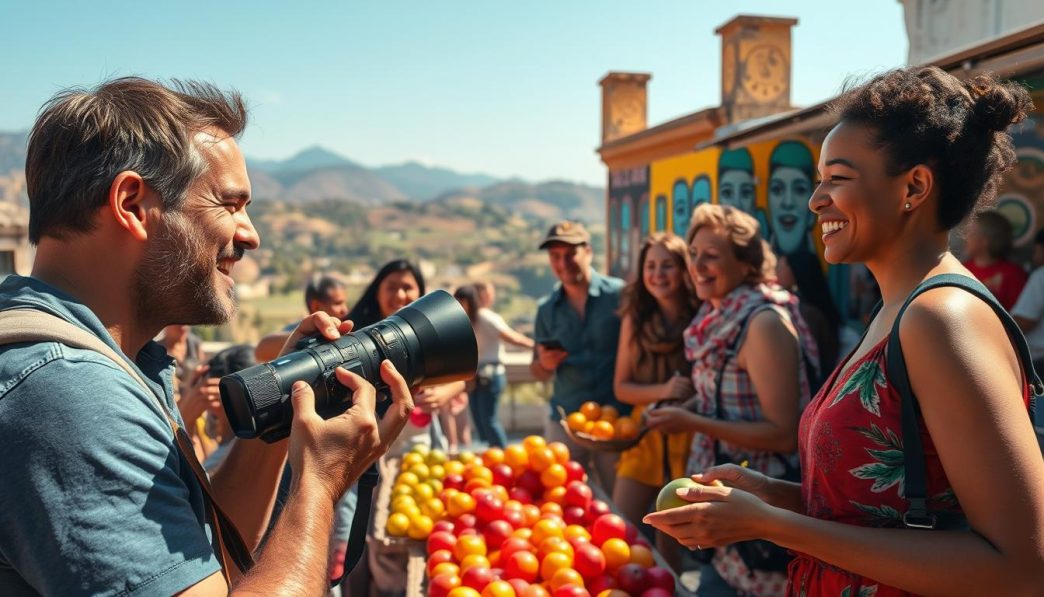
Have you ever returned from a trip only to find your photos failed to capture the true magic of your experience? Many people struggle to move beyond basic snapshots, missing the chance to preserve their adventures in a meaningful way. Mastering travel photography is about more than just owning expensive gear; it is about learning to see the world through a creative lens.
By focusing on the emotional weight of capturing moments, you can transform simple images into powerful visual stories. This guide provides essential travel photography tips to help you prepare your mindset and equipment. You will soon be ready to document your journey with confidence and artistic flair, ensuring your memories last a lifetime.
Key Takeaways
- Learn to shift your perspective to find unique angles.
- Understand how to prepare your gear for any environment.
- Focus on the emotional narrative behind every scene.
- Move beyond automatic settings to gain creative control.
- Discover how to document your journey with professional intent.
Main Section 1: The Essentials of Travel Photography Gear
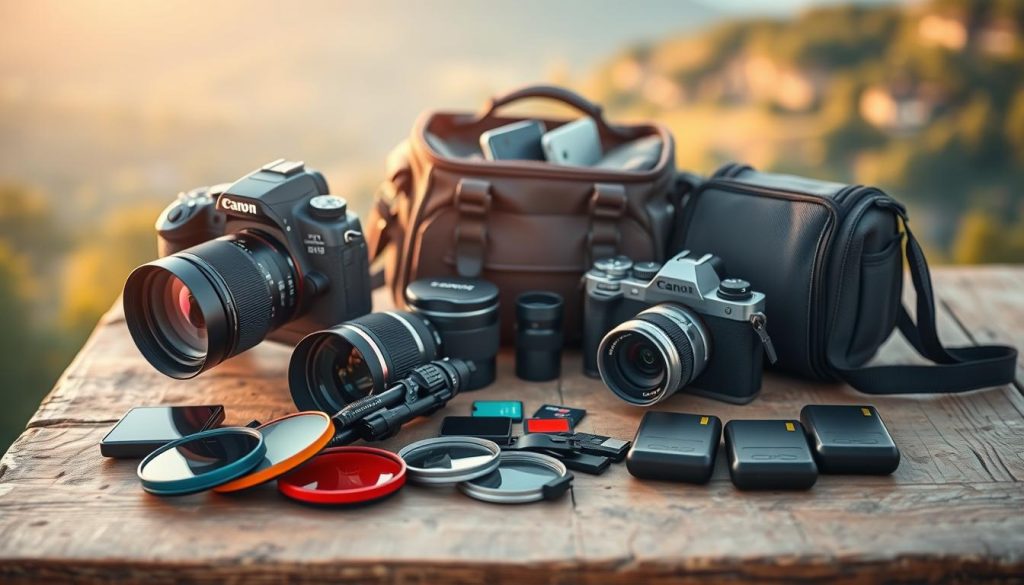
Building the perfect kit is the first step toward capturing stunning travel memories. When you prepare for a trip, finding the right balance between portability and image quality is vital for successful travel photography.
You want equipment that is light enough to carry all day but powerful enough to handle diverse lighting conditions. Investing in gear that fits your specific travel style ensures you never miss a shot.
Choosing the Right Camera
Modern mirrorless cameras have become the gold standard for travelers due to their compact size and high-resolution sensors. These cameras offer the same professional quality as bulky DSLRs without the extra weight.
Consider a camera with a weather-sealed body if you plan to visit humid or dusty environments. Reliability is key when you are miles away from a repair shop.
Must-Have Accessories
Even the best camera is useless if you run out of power or storage space. Always pack at least two extra batteries and several high-speed memory cards to keep your workflow moving.
A lightweight, carbon-fiber tripod is another essential tool for long-exposure shots or low-light scenes. These photography tips will help you maintain stability without adding unnecessary bulk to your luggage.
Packing Tips for Travel Photographers
Keep your gear safe by using a dedicated camera bag with padded inserts. Never pack your primary camera in checked luggage, as it is safer to keep your equipment with you in the cabin.
Organize your cables and chargers in small, labeled pouches to save time during your journey. By keeping your gear accessible, you ensure that you are always ready to document your travel memories as they happen.
Main Section 2: Mastering Composition Techniques
Composition serves as the silent language of photography, guiding your viewer through the story you want to tell. By applying simple geometric principles, you can transform an ordinary vacation snapshot into a professional-grade image. Mastering photography composition is the most effective way to elevate your work from a simple record of a place to a compelling piece of art.
Rule of Thirds and Framing
The rule of thirds is a fundamental technique that involves dividing your frame into a grid of nine equal rectangles. By placing your subject along these lines or at their intersections, you create a more balanced and engaging image. This method is particularly useful in landscape photography, where placing the horizon on the top or bottom third line adds immediate visual interest.
Framing is another powerful tool that adds depth to your shots. Look for natural elements like archways, tree branches, or windows to surround your subject. This technique draws the viewer’s eye directly to the focal point while providing a sense of context and scale.
Creative Angles and Perspectives
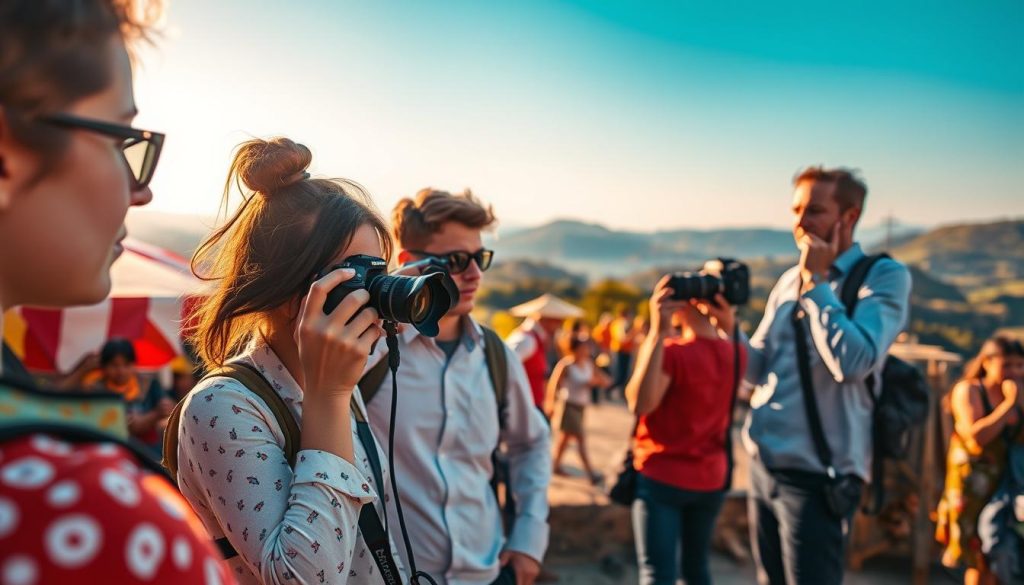
Many photographers make the mistake of shooting everything from eye level. To capture truly unique images, you should experiment with creative angles that challenge the viewer’s perspective. Try crouching low to the ground to make your subject appear heroic or climb to a higher vantage point to capture the intricate patterns of a city street.
Changing your physical position can reveal hidden details that are invisible from a standard standing height. Perspective shifts allow you to emphasize the foreground or compress the background, giving your photos a distinct, professional look. Always be willing to move around your subject until you find the most dynamic angle.
Leading Lines and Symmetry
Leading lines act as invisible paths that guide the viewer’s gaze through your image. Roads, rivers, fences, or even shadows can serve as these lines, pulling the eye toward the main subject. In landscape photography, a winding path leading toward a mountain peak creates a strong sense of movement and depth.
Symmetry, on the other hand, provides a sense of order and calm. When you align your subject perfectly in the center, you create a mirror-like effect that feels stable and harmonious. Utilizing photography composition techniques like these ensures that your travel images are not just snapshots, but carefully crafted visual experiences.
Main Section 3: Capturing Authentic Moments
While landscape photography captures the grandeur of a destination, the true soul of travel lies in the people you meet. Moving beyond static scenery allows you to bring your travel stories to life by focusing on the human element. These photography tips will help you move past simple vistas to tell a more complete story of the places you visit.
Candid Street Photography Tips
The art of capturing moments in a public space relies on your ability to blend into the background. When you remain unobtrusive, you allow the natural flow of a scene to unfold without interference. This approach is the hallmark of effective street photography.
To improve your results, consider these actionable strategies:
- Use a prime lens: A smaller lens makes you appear less intimidating to passersby.
- Pre-focus your camera: Set your focus distance in advance so you are ready to shoot the instant a moment occurs.
- Shoot from the hip: Holding your camera at waist level can help you capture candid interactions without drawing attention to yourself.
- Find a compelling backdrop: Wait for your subject to walk into a well-composed frame rather than chasing them down.
Portrait Photography with Locals
Engaging with locals requires a shift from observation to active participation. While landscape photography focuses on the environment, portraits require a foundation of mutual respect and clear communication. Always prioritize the comfort of your subject over the desire for a perfect shot.
Building rapport is essential for creating meaningful images that feel authentic rather than staged. Start by offering a friendly smile or a simple greeting before you even lift your camera. If you do not speak the local language, a polite gesture or a nod can often convey your intentions effectively.
“The best portraits are those where the subject feels seen, not just observed.”
Remember that ethical photography is about more than just getting the shot. Always ask for permission when possible, and be prepared to show the person the result on your screen. This simple act of sharing builds trust and often leads to a more relaxed, genuine expression in your final portrait.
Main Section 4: Editing and Sharing Your Travel Photos
Your camera captures the scene, but your editing choices define the final mood of your travel photography. This final stage allows you to refine your photography composition and ensure your images truly reflect the emotions of your journey. By polishing your work, you turn simple snapshots into lasting travel memories.
Essential Editing Tools and Apps
Modern technology makes it easy to enhance your photos while you are still on the road. You do not need a complex desktop setup to achieve professional results. Many mobile applications offer powerful features that rival traditional software.
Consider using these popular tools to elevate your images:
- Adobe Lightroom Mobile: Perfect for professional-grade color grading and exposure adjustments.
- Snapseed: A versatile app that provides precise control over selective edits and healing tools.
- VSCO: Excellent for applying aesthetic filters that give your street photography a consistent, film-like look.
Best Practices for Sharing on Social Media
Sharing your work is the best way to connect with fellow travelers and inspire others. To maximize your reach, focus on storytelling rather than just posting random images. A cohesive feed helps your audience understand the narrative behind your travel memories.
Follow these tips to improve your social media presence:
- Engage with your community: Respond to comments and ask questions to build meaningful connections.
- Maintain consistency: Use a similar editing style across your posts to create a recognizable brand identity.
- Optimize your captions: Share the story behind your street photography to provide context and depth.
By applying these simple techniques, you ensure your work looks polished and professional. Consistent effort in your editing and sharing workflow will help your unique perspective stand out in a crowded digital space.
Conclusion
Great images rely on a blend of reliable gear and a sharp creative eye. You now possess the tools to balance technical settings with artistic vision to improve your personal portfolio.
Applying these travel photography tips helps you see the world through a new lens. Consistent practice turns simple scenes into powerful visual stories. You will find it easier to keep capturing moments that define your unique experiences.
Your camera serves as a bridge between fleeting sights and lasting impressions. Use these photography tips to document the beauty found in every corner of the globe. Each frame you shoot adds depth to your collection of travel memories.
Share your best work with the world to inspire others. Your perspective offers a fresh look at familiar destinations. Keep exploring, keep shooting, and keep building your archive of travel memories.