

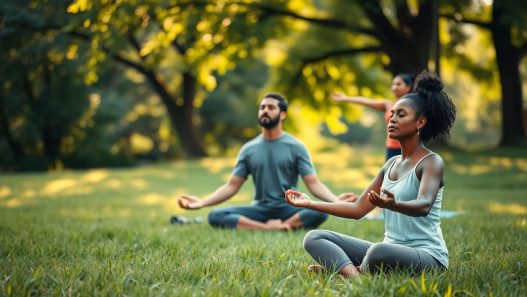



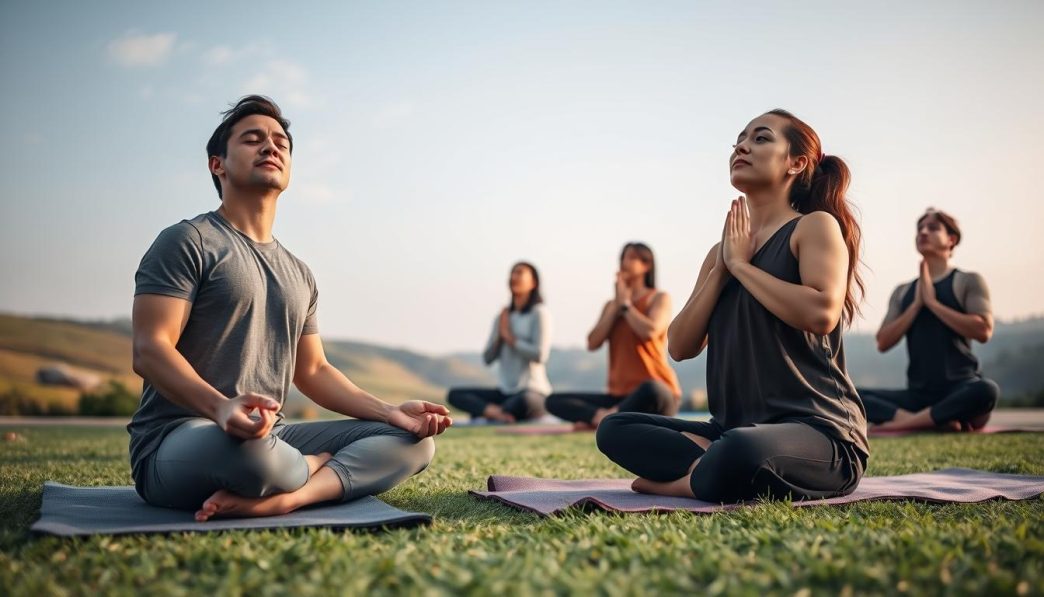
In the fast-paced environment of the United States, many people feel overwhelmed by the constant demands of daily life. Finding a moment of silence often feels impossible, yet the solution might be as simple as your next inhale. By mastering intentional breathwork, you can navigate modern complexities with newfound grace and clarity.
This practice serves as a foundational pillar for achieving lasting inner peace and physical vitality. When you focus on your rhythm, you tap into a natural stress relief mechanism that is always available. Integrating these wellness practices into your routine allows you to reclaim your focus and energy.
Simple physiological shifts often lead to profound mental transformations. As you commit to this journey, you will discover how holistic health improves your overall quality of life. Embracing this form of breathwork is the first step toward a calmer, more balanced version of yourself.
Key Takeaways
- Intentional breathing acts as a powerful tool for managing daily stress.
- Consistent practice builds a foundation for long-term mental clarity.
- Simple physiological changes can significantly boost your physical vitality.
- Breathwork is an accessible entry point into broader wellness routines.
- Prioritizing your breath supports a more balanced and holistic lifestyle.
Main Section 1: Understanding Breathwork
Exploring the world of breathwork reveals a deep connection between our physical state and our mental well-being. While we breathe automatically every second of the day, this practice invites us to take the wheel and guide our respiratory system with intention.
It is not merely about the mechanics of air moving in and out of the lungs. Instead, it is a deliberate process that allows us to influence our internal state and foster a sense of profound calm.
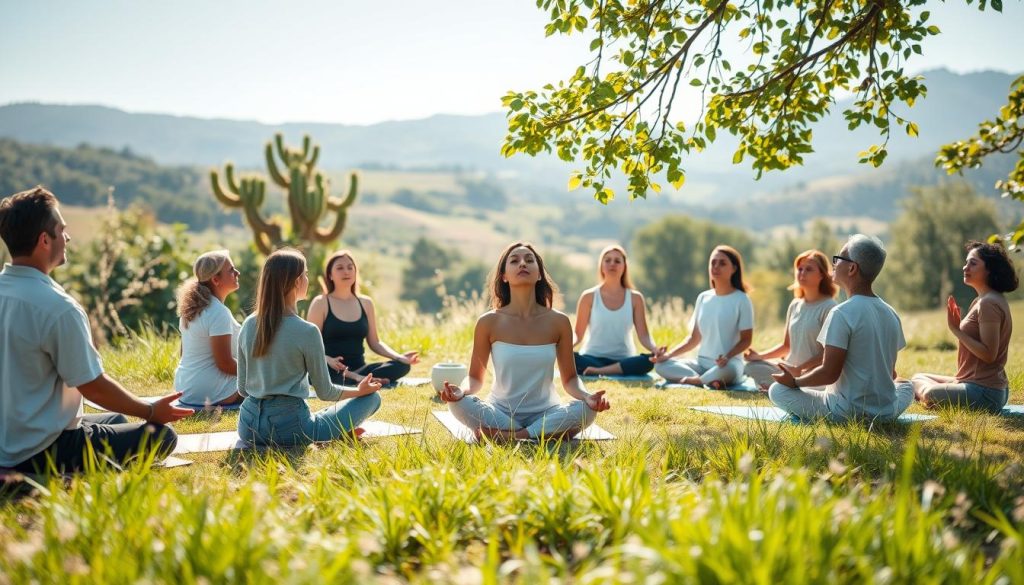
What is Breathwork?
At its core, breathwork refers to various techniques that involve conscious control of the respiratory system. By altering the pace, depth, and pattern of our breathing, we can shift our physiological state.
This practice is often used to cultivate mindfulness, helping individuals stay grounded in the present moment. When we focus on the rhythm of our breath, we quiet the noise of a busy mind and create space for clarity.
Historical Context
The roots of these techniques stretch back thousands of years into ancient traditions. Cultures across the globe have long recognized that the way we breathe is linked to our life force and spiritual health.
Ancient practitioners utilized specific breathing patterns to prepare the body for meditation and deep introspection. These historical methods prioritized internal awareness, serving as a foundation for the modern wellness practices we see today.
The Science Behind Breathwork
Modern research now confirms what ancient traditions long suspected regarding the power of deep breathing. When we engage in controlled, rhythmic patterns, we directly influence the autonomic nervous system.
This shift helps move the body from a state of stress into a state of relaxation. By calming the nervous system, we can achieve greater mental clarity and emotional stability in our daily lives.
These scientific insights explain why deep breathing remains a vital tool in both clinical and personal settings. It provides a reliable, accessible way to manage our internal environment and improve our overall quality of life.
Main Section 2: Benefits of Breathwork for Mental Health
Your breath acts as a natural anchor for maintaining stability in an increasingly fast-paced world. By shifting how we inhale and exhale, we can directly influence our nervous system. This practice is a cornerstone of holistic health, offering a simple yet effective way to nurture the mind.
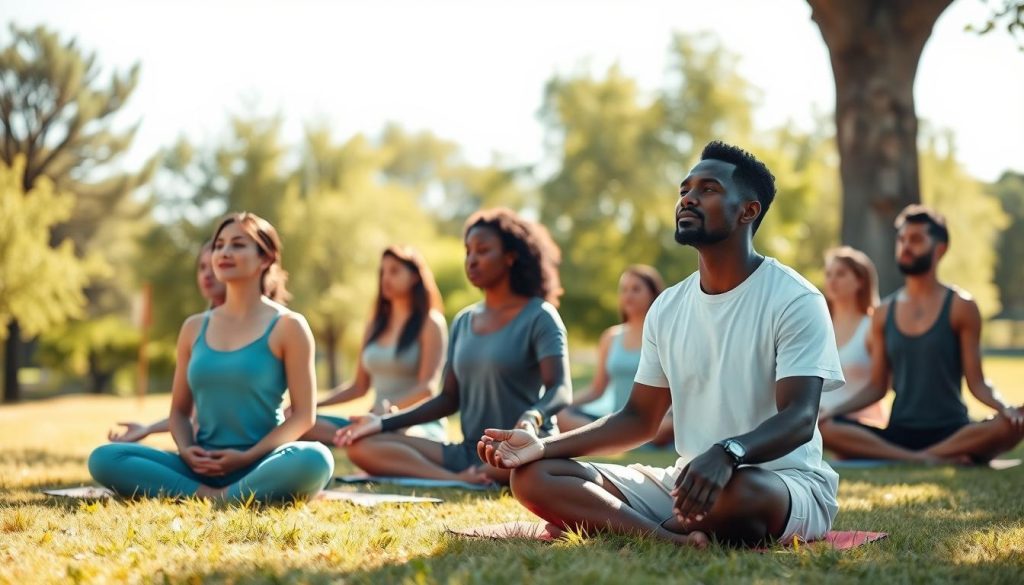
Reducing Anxiety and Stress
When we experience tension, our bodies often trigger a fight-or-flight response. This reaction leads to a spike in cortisol, the primary hormone associated with stress. Targeted breathing exercises help to counteract this by activating the parasympathetic nervous system.
Engaging in slow, rhythmic breathing signals to the brain that it is safe to relax. This process provides immediate stress relief, allowing the heart rate to stabilize. Over time, consistent practice builds resilience against daily pressures.
Enhancing Focus and Clarity
Many people struggle with mental fatigue during long workdays. Controlled respiration improves oxygen flow to the brain, which is essential for mental clarity. By dedicating a few minutes to deep breathing, you can clear the mental fog that hinders productivity.
This mindfulness practice allows you to detach from distractions and center your attention on the present moment. As you sharpen your focus, you will find it easier to tackle complex tasks with a calm and steady mind.
Emotional Regulation
Breathwork serves as a powerful tool for maintaining emotional balance during challenging situations. When emotions run high, our breathing patterns often become shallow or erratic. By consciously slowing the breath, we create a buffer between an external trigger and our internal reaction.
This pause provides the space needed to respond thoughtfully rather than impulsively. Incorporating these techniques into your routine supports long-term emotional stability and overall well-being.
| Technique | Primary Benefit | Best For |
|---|---|---|
| Box Breathing | Stress Relief | High-pressure moments |
| Alternate Nostril | Mental Clarity | Focus and concentration |
| Diaphragmatic | Emotional Balance | Daily relaxation |
Main Section 3: Incorporating Breathwork into Daily Life
Finding a moment of peace in a busy American lifestyle starts with your next breath. You do not need hours of free time or special equipment to begin reaping the rewards of these exercises. By dedicating just a few minutes each day, you can cultivate mental clarity and maintain a sense of calm regardless of your surroundings.
Simple Breathing Techniques to Get Started
If you are new to this practice, start with deep breathing exercises that are easy to remember. One effective method is “Box Breathing,” which involves inhaling for four counts, holding for four, exhaling for four, and holding for four again.
Another popular option is the 4-7-8 technique. You inhale through your nose for four seconds, hold your breath for seven seconds, and exhale slowly through your mouth for eight seconds. These simple wellness practices help reset your nervous system quickly.
Creating a Breathwork Routine
Consistency is the secret to long-term success. Try “habit stacking” by pairing your breathwork with an existing part of your day, such as your morning coffee or your evening commute. This makes it much easier to remember your practice.
You might also set a recurring alarm on your phone to remind you to pause. Even three minutes of focused breathing can significantly improve your emotional balance during a stressful workday. Keep your sessions short at first to ensure they remain sustainable.
Enhancing Other Wellness Practices
You can amplify the benefits of your current fitness routine by integrating intentional breathing. For example, practicing deep breathing during yoga or meditation sessions helps you deepen your stretches and quiet your mind more effectively.
Athletes often use these techniques to recover faster after intense workouts. By combining movement with conscious breath, you create a powerful synergy that supports both physical health and mental clarity. This holistic approach ensures you stay grounded and maintain emotional balance throughout the week.
Main Section 4: Overcoming Challenges in Breathwork Practice
Embarking on a journey toward better health often brings unexpected hurdles that can feel discouraging. It is important to remember that these obstacles are simply part of the learning process. By staying patient with yourself, you can maintain your commitment to stress relief even when things feel difficult.
Common Misconceptions
Many beginners feel intimidated because they believe they must dedicate hours to their practice to see results. In reality, even a few minutes of focused breathing can provide significant benefits. You do not need to be an expert to start experiencing the positive effects of mindfulness in your daily life.
Here are a few common myths that often hold people back:
- “I must clear my mind completely.” It is natural for thoughts to wander; the goal is simply to notice them and return to your breath.
- “I need a quiet, perfect space.” You can practice anywhere, whether you are at your desk or sitting in your car.
- “I am not doing it right.” There is no single perfect way to breathe, as long as you are focusing on your rhythm and comfort.
Navigating Difficult Emotions
Sometimes, deep breathing can bring up unexpected feelings or memories. This is a normal part of the process as you cultivate greater emotional balance. When you practice mindfulness, you create a safe space to observe these sensations without judgment.
If you feel overwhelmed, try to slow your pace and focus on the physical sensation of air entering your lungs. This simple act of grounding can provide immediate stress relief during intense moments. Remember that your practice is a tool for self-discovery, and it is perfectly okay to take breaks whenever you need them.
By acknowledging these challenges, you empower yourself to continue your journey with confidence. Every session is an opportunity to learn more about your inner world and improve your overall emotional balance.
Conclusion
Mastering your breath serves as a powerful tool for lasting peace. You hold the ability to shift your mental state through simple, intentional actions every single day.
Consistent deep breathing acts as a vital anchor for your nervous system. This practice supports your long-term emotional and physical health in profound ways.
Integrating these wellness practices into your schedule creates a foundation for lasting change. You deserve a life defined by clarity and balance rather than constant stress.
True holistic health remains within your reach when you prioritize your internal state. Small shifts in your daily habits lead to significant improvements in how you experience the world.
Begin your journey toward inner calm right now. Dedicate just five minutes today to conscious, rhythmic breathing and notice the immediate shift in your perspective.