






Living in regions prone to volatile climate conditions requires more than just a sturdy roof over your head. For those who share their homes with animals, Pet Safety in Extreme Weather is a non-negotiable responsibility that demands careful, proactive planning.
Unpredictable environmental threats can strike at any moment, leaving little time to react. By taking the initiative to prepare today, you ensure your furry companions remain secure regardless of the season. Preparation is the greatest gift you can provide to those who depend on you for protection.
Understanding the specific risks associated with extreme weather allows you to build a robust defense for your household. When you prioritize pet safety, you gain peace of mind knowing that your loved ones are shielded from the unexpected. This guide serves as your comprehensive resource for navigating these challenges with confidence.
Key Takeaways
- Proactive planning is essential for protecting animals during climate emergencies.
- Identify local risks to create a tailored emergency response strategy.
- Maintain a dedicated supply kit for your companions at all times.
- Stay informed through reliable alerts to anticipate environmental shifts.
- Prioritize the well-being of your animals by establishing a clear evacuation plan.
Main Section 1: Preparing for Extreme Weather
Building a foundation of safety starts long before the clouds turn dark or the winds begin to howl. Taking the time to organize your resources now is the best way to ensure pet safety when the unexpected occurs. By focusing on storm preparedness today, you provide your animals with the best chance of staying calm and secure during a crisis.
Understanding Your Region’s Weather Risks
Every geographic area in the United States faces unique environmental challenges. Whether you live in a zone prone to hurricanes, tornadoes, or wildfires, knowing your specific risks is the first step in effective planning. You should research local evacuation routes and identify which natural disasters are most likely to impact your immediate neighborhood.
Local government websites often provide detailed hazard maps that highlight flood zones or fire-prone areas. Reviewing these resources allows you to make informed decisions about when to stay put and when to evacuate. Being aware of these threats helps you tailor your preparations to the specific needs of your household.

Creating a Pet Emergency Kit
A well-stocked emergency kit is a vital component of your pet safety strategy. You should keep this bag in an easily accessible location so you can grab it at a moment’s notice. This kit should contain enough supplies to sustain your pet for at least five to seven days.
- Medical Records: Keep copies of vaccination history and contact information for your veterinarian.
- Nutrition: Pack enough dry or canned food and bottled water to last a full week.
- Comfort Items: Include a favorite toy or blanket to help reduce anxiety during stressful events.
| Category | Essential Item | Purpose |
|---|---|---|
| Health | Medical Records | Emergency vet care |
| Nutrition | Water & Food | Basic survival needs |
| Comfort | Favorite Toy | Stress reduction |
| Safety | Sturdy Leash | Secure transport |
Developing a Disaster Plan
Creating robust pet emergency plans ensures that every member of your family knows their role during a crisis. You must decide in advance where you will go if you are forced to leave your home. Many public shelters do not accept animals, so it is essential to identify pet-friendly hotels or friends who can host you and your pets.
Practice your evacuation route with your pets to ensure they are comfortable with the process. If you face natural disasters, having a clear, pre-determined path will reduce panic and confusion. By finalizing these pet emergency plans now, you gain peace of mind knowing that your loved ones are protected regardless of the weather.
Main Section 2: Ensuring Safety During Extreme Heat
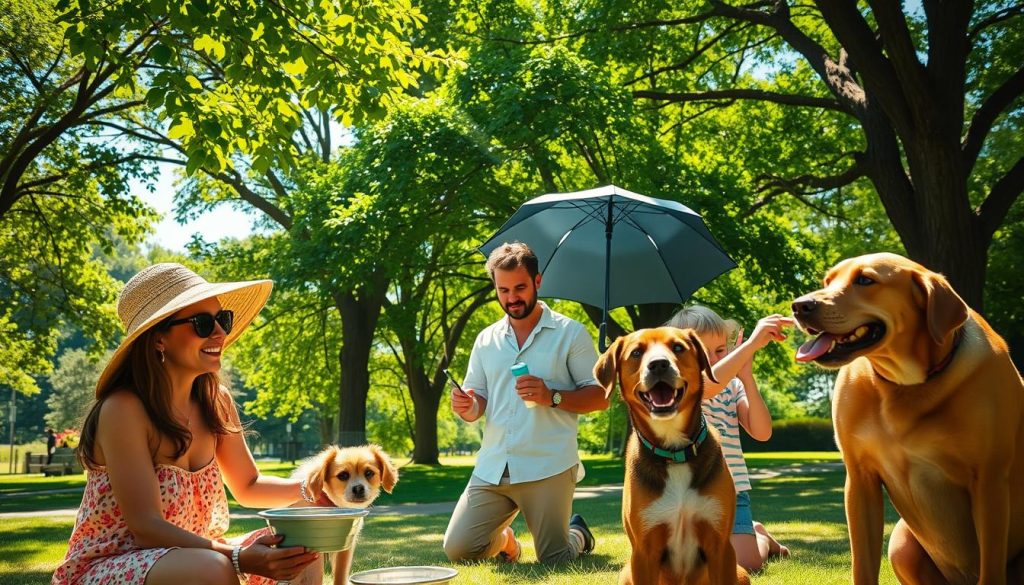
When the mercury rises, your pets rely on you to keep them safe from the sweltering sun. Because animals cannot regulate their body temperatures as efficiently as humans, they are highly susceptible to heat-related illnesses. Implementing consistent hot weather precautions is the best way to ensure your companion stays healthy all summer long.
Recognizing Heat Stress in Pets
It is vital to monitor your pet closely for any signs of distress when temperatures climb. Early detection can often prevent a minor issue from becoming a life-threatening emergency.
Watch for these common warning signs of heat exhaustion:
- Excessive or heavy panting
- Lethargy or unusual weakness
- Bright red or purple gums
- Drooling or thick saliva
“The best way to protect your pet is to be proactive, as heatstroke can progress rapidly in even the most active animals.”
Keeping Your Pet Cool
Maintaining a comfortable environment is a cornerstone of effective hot weather precautions. Always ensure your pet has access to fresh, cool water throughout the day to prevent dehydration.
If your home gets warm, consider using fans or air conditioning to keep indoor temperatures stable. Providing a shaded area in the yard is also essential if your pet spends any time outside during the day.
Safe Outdoor Activities in Hot Weather
You do not have to stop all outdoor fun, but you must adjust your schedule to prioritize safety. The most important of all hot weather precautions is to limit exercise to the early morning or late evening hours when the ground is cooler.
Always test the pavement with your hand before walking your dog. If the surface feels too hot for your skin, it will certainly burn your pet’s sensitive paw pads. By choosing grassy paths and keeping walks short, you can enjoy the sunshine while keeping your furry friend safe and happy.
Main Section 3: Protecting Pets from Winter Weather
Cold weather care is essential to keep your furry friends comfortable during the harshest months of the year. While some breeds thrive in the snow, many others struggle to maintain their body temperature when the mercury drops. Taking proactive steps ensures your pets remain happy and healthy throughout the season.
Ensuring Warmth and Shelter
Providing a cozy environment is the first step in effective cold weather care. If your pet spends time outdoors, ensure they have a dry, draft-free shelter that is elevated off the cold ground. Insulation is key to retaining body heat during freezing nights.
For indoor pets, keep their bedding away from cold tile floors or drafty windows. You might consider using a sweater or coat for short-haired breeds, especially when they venture outside for bathroom breaks. Always monitor your pet for signs of shivering, which indicates they are losing heat too quickly.
Winter Health Risks
Winter introduces hidden dangers that every owner should recognize. Antifreeze is highly toxic and often tastes sweet to animals, making it a major hazard in garages and driveways. Always clean up spills immediately and store chemicals in secure, elevated locations.
Road salt and chemical de-icers can cause severe irritation to sensitive paw pads. After every walk, wipe your pet’s paws with a warm, damp cloth to remove these harmful substances. This simple habit prevents ingestion during grooming and keeps their skin from cracking.
Safe Winter Outdoor Activities
Exercise remains vital for your pet’s mental and physical health, even in the winter. Keep outdoor sessions shorter than usual to prevent frostbite on ears, tails, and paws. Visibility is also crucial, so use reflective gear or light-up collars if you walk your dog during early morning or evening hours.
| Risk Factor | Prevention Method | Severity Level |
|---|---|---|
| Antifreeze | Secure storage | Critical |
| Road Salt | Paw washing | Moderate |
| Frostbite | Limited exposure | High |
| Hypothermia | Proper clothing | High |
By staying vigilant with your cold weather care routine, you protect your pets from the most common seasonal threats. Consistency in your safety habits will ensure that your companions enjoy the winter months without unnecessary discomfort.
Main Section 4: Emergency Protocols During Severe Weather
Navigating the chaos of natural disasters requires a steady hand and a clear plan for your furry companions. When the environment becomes unstable, your ability to remain calm directly influences your pet’s stress levels. Having established protocols ensures you can act decisively when extreme weather threatens your home.
What to Do During a Natural Disaster
If you are caught in an active emergency, your primary goal is to keep your pet contained and secure. If you are ordered to evacuate, never leave your animals behind, as they cannot survive on their own during natural disasters. Always keep your emergency kit accessible so you can grab it and go without delay.
If you must shelter in place, follow these essential safety steps:
- Keep your pet in a secure, interior room away from windows and exterior walls.
- Ensure your pet is wearing a collar with up-to-date identification tags at all times.
- Keep your pet carrier or leash nearby in case you need to move quickly to a safer location.
- Maintain a calm demeanor to help reduce your pet’s anxiety during the extreme weather event.
Post-Event Care and Recovery
Once the immediate danger has passed, your pet may experience lingering stress or behavioral changes. It is vital to monitor them closely for signs of trauma, such as hiding, loss of appetite, or unusual aggression. Providing a quiet and safe environment will help them feel secure again.
Recovery is a gradual process that requires patience and consistency. Try to return to your normal feeding and exercise schedule as soon as it is safe to do so. If you notice any physical injuries or persistent health issues, contact your veterinarian immediately to ensure your pet receives the care they need to fully recover.
Conclusion
Your commitment to animal welfare creates a secure environment for your pets regardless of the climate. Prioritizing your companion’s well-being through consistent preparation serves as the cornerstone of effective pet care tips. You now possess the knowledge to navigate environmental challenges with confidence.
Implementing these strategies helps you manage the unpredictable nature of our local climate. Pet Safety in Extreme Weather remains an ongoing process that requires regular updates to your emergency supplies and evacuation plans. Check your gear every few months to ensure everything stays functional and ready for use.
Stay vigilant and proactive to ensure your pets remain safe and happy throughout every season of the year. Share these essential pet care tips with your neighbors and friends to build a safer community for all animals. Your dedication to Pet Safety in Extreme Weather makes a meaningful difference in the lives of the pets you love.