






Exploring our beautiful planet is a privilege that comes with great responsibility. As we wander through diverse landscapes, the choices we make directly influence the health of fragile ecosystems. Adopting eco-friendly practices allows us to minimize our footprint while enjoying the wonders of the world.
Modern tourism often puts pressure on local environments and communities. By shifting our mindset, we can ensure that our presence contributes positively to the places we visit. This journey toward mindful exploration is not just about changing where we go, but how we engage with the world around us.
Prioritizing travel sustainability helps protect natural habitats for future generations. Small, intentional actions can lead to significant positive changes. Let’s embark on a path that honors the earth while satisfying our curiosity for adventure.
Key Takeaways
- Understand the vital role of conscious decision-making in protecting global ecosystems.
- Learn how simple daily habits can reduce your environmental impact while on the road.
- Discover ways to support local communities and preserve cultural heritage.
- Recognize the long-term benefits of choosing responsible tourism options.
- Embrace a mindset that values preservation alongside personal discovery.
Main Section 1: Understanding the Impact of Travel on the Environment
Understanding how our travel habits affect the earth is the first step toward becoming a more conscious explorer. While we often focus on the beauty of a destination, it is vital to recognize that global tourism carries a significant environmental weight. Embracing sustainable travel requires us to look beyond the postcard views and consider the long-term health of our planet.
The Carbon Footprint of Travel
The most visible impact of our adventures is the carbon emissions produced by transportation. Whether you are flying across the ocean or driving through the countryside, your journey contributes to the total carbon footprint of the tourism industry. Every mile traveled adds to the greenhouse gases warming our atmosphere.
“The greatest threat to our planet is the belief that someone else will save it.”
To mitigate this, many travelers are now looking for green travel tips that prioritize lower-emission options. Choosing trains over short-haul flights or opting for electric rental vehicles can make a measurable difference. Small shifts in how we move can lead to a much larger positive impact over time.
Waste Generation in Tourism
Popular vacation spots often struggle to manage the sheer volume of waste left behind by visitors. Many destinations lack the advanced infrastructure needed to process the trash generated by thousands of tourists each day. This leads to overflowing landfills and pollution in pristine natural areas.
Adopting responsible tourism means being mindful of what we bring and what we leave behind. Consider these simple habits to reduce your waste:
- Carry a reusable water bottle to avoid single-use plastics.
- Pack a set of bamboo or metal utensils for meals on the go.
- Choose digital tickets and maps instead of printed materials.
Over-Tourism Effects
Over-tourism occurs when the number of visitors exceeds the capacity of a destination to host them comfortably. This phenomenon puts immense strain on local communities and fragile ecosystems. When too many people visit a single site, it can lead to habitat destruction and the degradation of historical landmarks.
By practicing sustainable travel, we help protect these vulnerable spots for future generations. It is essential to seek out less crowded destinations and visit during off-peak seasons. These green travel tips not only improve your personal experience but also support responsible tourism by spreading the economic benefits more evenly across different regions.
Main Section 2: Planning a Sustainable Trip
The foundation of a truly memorable journey is laid long before you pack your bags. By shifting your mindset toward sustainable travel, you can ensure that your presence in a new destination leaves a positive mark. Careful preparation allows you to enjoy the world while protecting the natural beauty that draws us to explore in the first place.

Choosing Eco-Friendly Accommodations
When searching for a place to stay, look for hotels or lodges that hold recognized environmental certifications. These properties often prioritize energy efficiency, water conservation, and waste reduction programs. Choosing these venues is a cornerstone of responsible tourism, as it directly supports businesses committed to greener operations.
You might also consider locally-owned guesthouses or homestays. These options often have a smaller physical footprint than large, international resort chains. They provide a more authentic experience while ensuring your money stays within the local community.
Responsible Transportation Options
How you reach your destination significantly impacts your overall carbon footprint. Whenever possible, choose trains or buses over short-haul flights to embrace low-impact travel. These modes of transport are not only better for the planet but often offer more scenic views of the landscape.
Once you arrive, prioritize walking, cycling, or using public transit to navigate the area. Renting an electric vehicle or sharing rides can also help reduce emissions. These small adjustments make your trip more meaningful and help you connect more deeply with your surroundings.
Supporting Local Economies
True responsible tourism involves more than just environmental care; it requires social awareness. You can support local economies by dining at independent restaurants and purchasing souvenirs from local artisans. This ensures that your travel budget directly benefits the people who call your destination home.
By prioritizing local businesses, you help preserve the unique culture and heritage of the region. This approach fosters a more equitable relationship between visitors and residents. It transforms your vacation into a tool for community development and long-term prosperity.
| Travel Choice | Environmental Impact | Economic Benefit |
|---|---|---|
| Train Travel | Low | Moderate |
| Local Homestay | Low | High |
| Short-haul Flight | High | Low |
| Local Dining | Minimal | High |
Main Section 3: Practicing Eco-Friendly Habits While Traveling
Your journey does not have to end when you arrive; in fact, that is when your real impact begins. Once you reach your destination, your daily choices become the most powerful tool for protecting the environment. By adopting eco-friendly practices, you ensure that your presence leaves a positive mark on the local community and the landscape.
Mindful Consumption
The easiest way to embrace low-impact travel is by being intentional about what you consume. Start by refusing single-use plastics, such as water bottles and straws, which often end up in local landfills or oceans. Instead, carry a reusable bottle and a set of bamboo utensils to minimize your waste footprint.
Choosing where to eat is equally important for the environment. Opt for restaurants that prioritize locally sourced ingredients, as this reduces the carbon emissions associated with food transportation. Supporting farm-to-table establishments helps keep your travel footprint small while providing you with a more authentic taste of the region.
Nature Conservation Participation
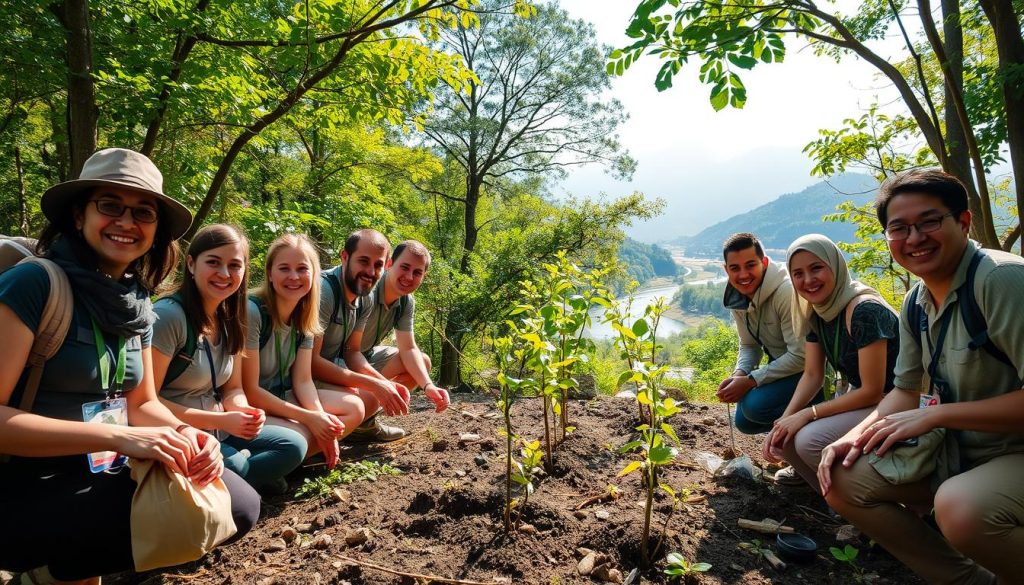
You can go beyond just “doing no harm” by actively contributing to environmental conservation. Many destinations offer opportunities for travelers to participate in restoration projects, such as beach cleanups or tree-planting initiatives. These local conservation efforts allow you to give back to the ecosystems that provide you with such memorable experiences.
“The greatest threat to our planet is the belief that someone else will save it.”
Engaging with these programs connects you more deeply to the land. Whether it is removing invasive species or helping maintain hiking trails, your physical contribution makes a tangible difference. It transforms your trip from a simple vacation into a meaningful act of stewardship.
Wildlife Etiquette
Respecting the natural inhabitants of your destination is a cornerstone of responsible tourism. Always maintain a safe distance from animals and never attempt to feed or touch them. Human interference can disrupt natural behaviors and cause unnecessary stress to local wildlife populations.
- Observe animals from a distance using binoculars or a camera zoom.
- Avoid using flash photography, which can startle or disorient sensitive species.
- Stay on marked trails to prevent habitat destruction and protect nesting grounds.
By following these guidelines, you ensure that your visit supports low-impact travel without compromising the safety of the region’s fauna. Remember that you are a guest in their home, and your behavior should reflect a deep respect for the natural world.
Main Section 4: Offsetting Your Travel Footprint
Modern explorers are increasingly turning to carbon offsetting to balance the unavoidable impact of their adventures. Even when you follow the best green travel tips, some emissions from flights or long-distance transport remain difficult to eliminate entirely. By taking responsibility for these unavoidable impacts, you can ensure your wanderlust does not come at the cost of the planet.
Understanding Carbon Offsetting
At its core, carbon offsetting is a way to compensate for your travel emissions by funding projects that reduce greenhouse gases elsewhere. When you purchase an offset, your money supports initiatives like reforestation, renewable energy development, or methane capture. This process allows you to neutralize the climate impact of your journey while actively contributing to environmental conservation.
It is important to view these offsets as a final step rather than a replacement for sustainable habits. You should always prioritize reducing your footprint first through mindful choices. Once you have minimized your impact, offsetting serves as a powerful tool to address the remaining emissions that are simply part of modern travel.
Programs and Initiatives to Consider
Choosing a reputable organization is essential to ensure your contributions have a real impact. Many platforms now offer transparent tracking so you can see exactly where your funds go. Whether you are interested in planting trees or supporting wind farms, there is a program designed to help you balance your footprint effectively.
| Organization | Primary Focus | Best For |
|---|---|---|
| Gold Standard | High-impact climate projects | Verified emission reductions |
| Cool Effect | Science-based carbon projects | Individual travelers |
| Terrapass | Renewable energy and forestry | Flight and car travel |
| Trees for the Future | Regenerative agriculture | Long-term environmental conservation |
By integrating these solutions into your planning, you take a proactive stance on carbon offsetting. This commitment helps protect the destinations you love for future generations. Remember that every small action counts toward a healthier, more sustainable world.
Conclusion
Achieving true travel sustainability requires a shift in how we view our role as global citizens. Every trip offers a chance to leave a positive mark on the destinations we visit.
You hold the power to shape the future of tourism through your daily habits. Small changes in your itinerary lead to significant benefits for the environment. Prioritizing carbon offsetting helps balance the impact of your flights and ground transportation.
Engaging with local conservation efforts ensures that the beauty of our world remains intact for those who follow. Seek out organizations like The Nature Conservancy to see how your presence can support vital habitat protection.
Your choices matter when you explore new horizons. Keep seeking ways to minimize your footprint while maximizing your connection to the earth. We encourage you to share your own green travel tips with fellow adventurers to inspire a wider movement of responsible exploration.