




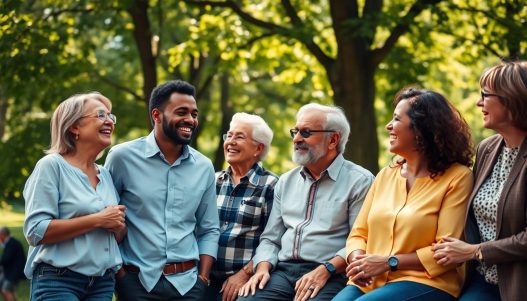
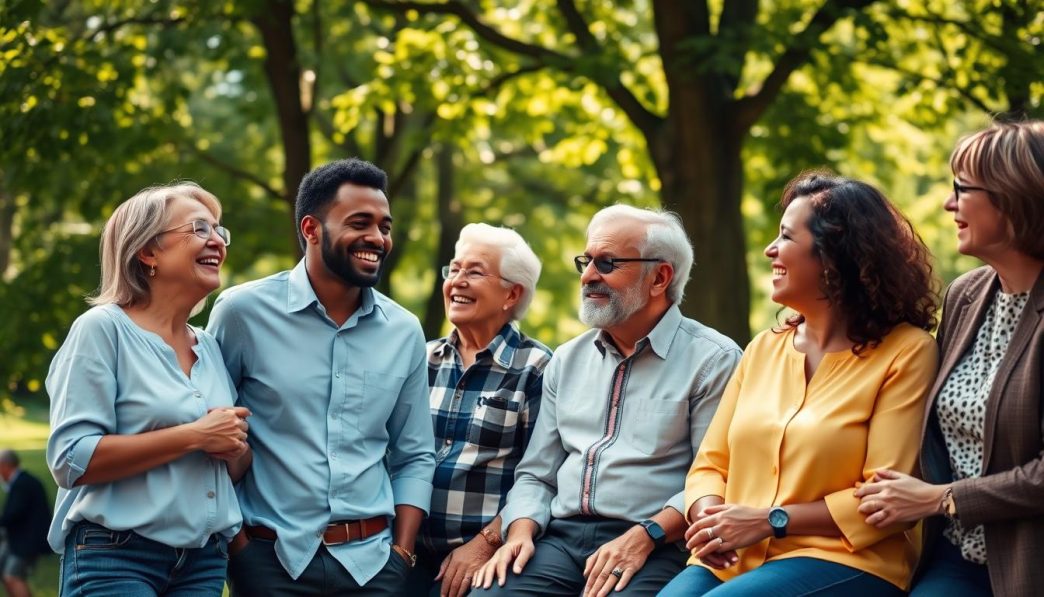
Have you ever wondered why some people seem to thrive well into their later years? While we often focus on nutrition or hitting the gym, the secret to longevity might actually be found in our social circles. Humans are inherently social creatures, and our biology is wired to respond to the people around us.
Scientific research shows that the quality of our connections serves as a primary indicator for long-term wellness. When we invest in meaningful bonds, we are doing more than just feeling good; we are actively supporting our physical health. Understanding the Lifespan and Interpersonal Relationships connection helps us see that our friends and family are essential to our vitality.
Prioritizing your social life is just as vital as eating your vegetables or staying active. By nurturing these bonds, you create a foundation for a healthier future. Embracing this perspective is a simple yet powerful step toward achieving greater longevity in your own life.
Key Takeaways
- Social connection is a fundamental pillar of physical health.
- Quality interactions are strong predictors of long-term wellness.
- Humans are biologically designed to thrive through community.
- Prioritizing social bonds is as important as diet and exercise.
- Meaningful connections contribute significantly to a longer, healthier life.
Main Section 1: Understanding the Role of Relationships in Longevity
The secret to a longer life may not be found in a gym, but in the quality of our daily interactions. While we often focus on nutrition and exercise, the hidden variable in our longevity is the strength of our social network. Research shows that our physical health is deeply intertwined with the people we keep close.
The Science Behind Social Connections
Modern studies have uncovered a startling reality regarding our social habits. Experts have found that chronic social isolation can be just as detrimental to your physical health as smoking fifteen cigarettes a day.
“The quality of our relationships is the single most important predictor of our health and happiness as we age.”
This evidence highlights that social connections are not merely a luxury; they are a biological necessity. When we lack these bonds, our bodies often enter a state of heightened alert, which can lead to long-term health complications.
The Biological Mechanisms
When we feel supported by friends and family, our bodies undergo positive physiological changes. One of the most significant benefits is the reduction of cortisol, the primary stress hormone.
High levels of cortisol over time can damage the cardiovascular system and weaken the immune response. By fostering deep, meaningful bonds, we effectively lower these stress markers. This process helps maintain a robust healthspan, allowing us to live not just longer, but with greater vitality.
- Lowered blood pressure through consistent social support.
- Improved immune function linked to positive interactions.
- Reduced inflammation markers in the body.
Emotional Well-Being and Relationships
The link between Lifespan and Interpersonal Relationships is clear when we examine our daily emotional state. A supportive environment acts as a buffer against the inevitable challenges of life.
When we share our burdens with others, we experience a sense of security that promotes mental clarity and physical resilience. Maintaining a high healthspan is directly tied to how we navigate these daily interactions. By prioritizing social connections, we invest in a future where our emotional and physical well-being remain in harmony.
Main Section 2: Types of Relationships That Foster Longevity
Diverse types of relationships act as the hidden pillars of our long-term health. While we often focus on physical habits, the quality of our social interactions is a major predictor of longevity. By nurturing different circles, we create a safety net that supports us through every stage of life.
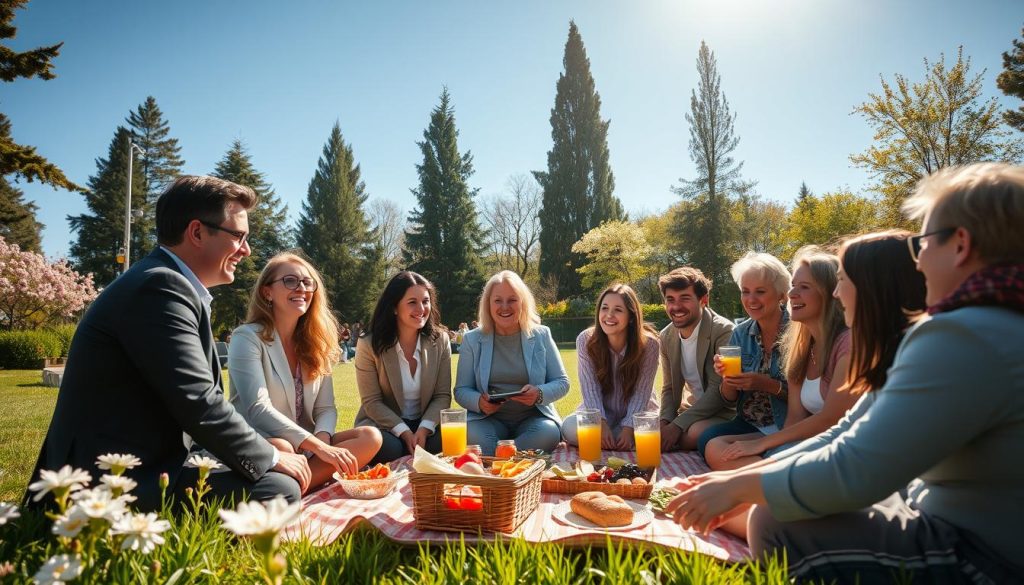
Family Bonds and Their Impact
Family often serves as the primary source of emotional support during our formative years and beyond. These deep-rooted connections provide a foundational sense of security that helps us navigate life’s inevitable stressors. When we feel a strong sense of belonging within our family unit, our stress levels often remain lower, which directly benefits our long-term healthspan.
Friendships as Lifespan Enhancers
Friendships function as essential tools for maintaining a vibrant life. Unlike family, these bonds are chosen, allowing for shared interests and mutual accountability. Friends provide the laughter and companionship that keep our minds sharp and our spirits high. Consistent social interaction with peers helps prevent the isolation that can often lead to health declines in later years.
Community Engagement
Active community involvement offers a unique sense of purpose that is vital for aging well. Whether through volunteering, local clubs, or neighborhood groups, staying connected to a larger cause keeps individuals mentally stimulated. This engagement ensures that people remain active participants in society, which is a key factor in maintaining cognitive function and physical vitality.
| Relationship Type | Primary Benefit | Impact on Health |
|---|---|---|
| Family | Security | Reduces chronic stress |
| Friendships | Accountability | Boosts mental well-being |
| Community | Purpose | Increases physical activity |
Main Section 3: Strategies to Cultivate Lifespan-Boosting Relationships
Improving your social resilience starts with small, consistent actions that foster genuine connection. While life often feels busy, prioritizing your relationships is one of the most effective ways to protect your long-term health. By shifting your focus toward intentional interaction, you can create a support system that sustains you through every stage of life.
Building Meaningful Connections
Quality always outweighs quantity when it comes to your inner circle. Instead of trying to maintain dozens of superficial ties, focus on deepening the bonds you already have with close friends or family members. Vulnerability acts as the bridge that turns a casual acquaintance into a trusted confidant.
Sharing your true thoughts and feelings invites others to do the same. This mutual exchange creates a foundation of emotional support that is vital for maintaining your mental health. When you show up authentically, you encourage others to drop their guard, which naturally strengthens your social connections.

The Importance of Communication
Clear communication serves as the bedrock of any healthy, long-lasting partnership. It is not just about what you say, but how you listen when others are speaking. Active listening requires you to be fully present, setting aside distractions to truly understand the perspective of the person in front of you.
Practice reflecting back what you hear to ensure you understand the message correctly. This simple habit prevents misunderstandings and shows the other person that their voice is valued. When people feel heard, they are much more likely to invest time and energy back into the relationship.
Activities That Foster Connection
Sometimes, the best way to build new ties is to engage in shared interests. Joining hobby groups or local clubs provides a structured environment where social connections can form organically. Whether it is a book club, a hiking group, or a cooking class, these activities remove the pressure of forced conversation.
- Volunteering: Giving back to your community helps you meet like-minded individuals who share your values.
- Hobby Groups: Regular meetings create a sense of routine and belonging.
- Team Sports: Physical activity combined with teamwork builds trust and camaraderie.
By participating in these activities, you actively improve your mental health while expanding your network. These shared experiences provide a natural rhythm for interaction, making it easier to maintain consistent relationships over time.
Main Section 4: Overcoming Barriers to Building Relationships
Many people find that the path to a vibrant social life is blocked by invisible walls. While the desire for deep relationships is universal, the reality of daily life often creates distance between us and others.
Identifying Obstacles
Several factors can hinder our ability to connect, especially as we navigate different life stages. Social anxiety often keeps people from reaching out, while the relentless pace of a busy schedule leaves little room for meaningful interaction.
Furthermore, physical limitations can make aging well feel like a solitary journey. When mobility decreases, the effort required to maintain a active community presence can seem overwhelming.
“The greatest barrier to connection is the belief that we are not worthy of it, or that we must do it perfectly.”
Strategies for Connection
Breaking through these barriers does not require a grand gesture. You can start by focusing on small, low-pressure interactions that build confidence over time.
- Start small: Exchange a brief greeting with a neighbor or a regular at your local coffee shop.
- Leverage shared interests: Join a hobby group or a volunteer organization to meet like-minded individuals.
- Use technology wisely: Utilize video calls to bridge the gap when physical meetings are not possible.
Prioritizing these steps helps you cultivate relationships that stand the test of time. By taking consistent, manageable action, you empower yourself to overcome isolation and embrace the benefits of aging well within a supportive network.
Conclusion
Investing time in your relationships serves as a powerful strategy for a long and vibrant life. Prioritizing social health creates a foundation that supports your physical vitality and your mental health over the decades.
Focusing on the quality of your interactions matters more than the number of people in your circle. Small, intentional efforts to deepen bonds lead to significant improvements in how you experience aging well. You gain resilience and joy by nurturing these essential human ties.
This journey toward better health starts with a single choice. Reach out to a friend or family member today to share a conversation or a moment of kindness. Strengthening your personal longevity link is a rewarding process that benefits your well-being every single day.