





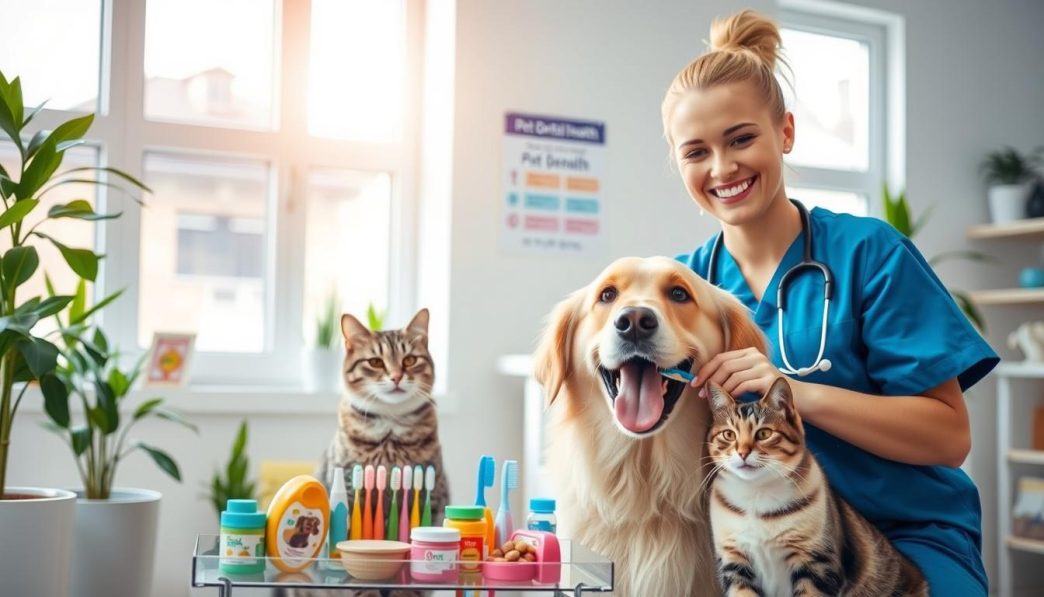
Your companion’s smile is more than just a cute feature; it is a vital window into their overall well-being. Many owners overlook the mouth, yet maintaining proper pet dental health serves as a cornerstone of preventative care in the United States. When you prioritize oral hygiene, you actively protect your furry friend from systemic infections that often start with simple plaque buildup.
Proactive care is the secret to a long, happy life for your animal. By spotting warning signs early, you can prevent minor issues from turning into painful, expensive conditions. This guide empowers you to take control of your companion’s wellness journey. Understanding the basics of pet dental health ensures that every wag and purr remains a sign of true vitality.
Key Takeaways
- Oral hygiene is a critical component of your animal’s long-term longevity.
- Neglected mouths can lead to serious systemic infections throughout the body.
- Early detection of oral issues prevents painful and costly veterinary procedures.
- Consistent home care routines significantly improve your companion’s quality of life.
- Empowered owners are the best defense against common oral diseases.
Main Section 1: Understanding Pet Dental Health
Many owners overlook the complex biology hidden behind their pet’s smile. Maintaining proper pet hygiene is not just about fresh breath; it is a vital component of your companion’s long-term health and comfort.
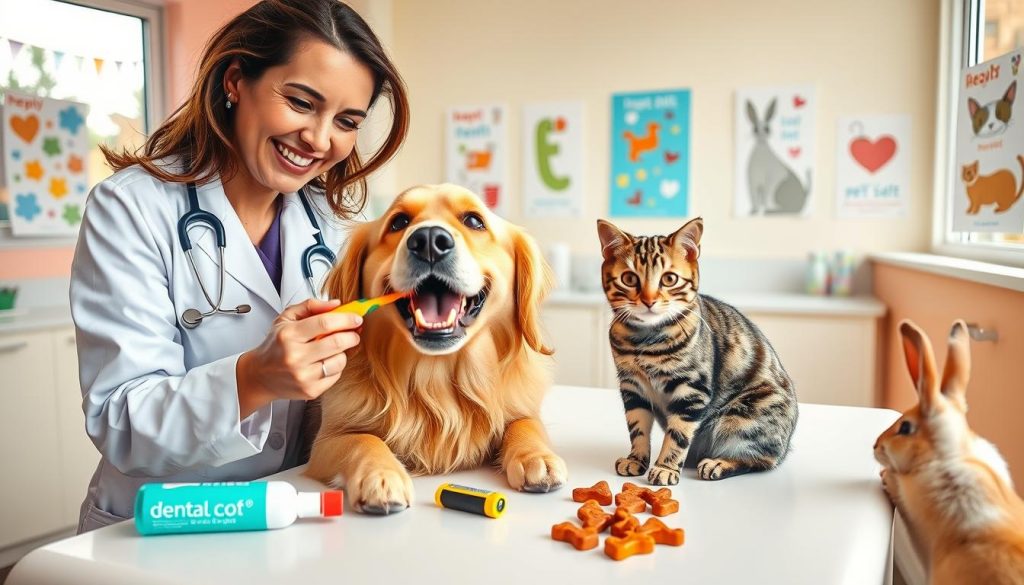
The Anatomy of a Pet’s Mouth
A pet’s mouth is a sophisticated tool designed for specific survival functions. Dogs and cats possess different types of teeth, including incisors for grooming, canines for tearing, and premolars or molars for grinding food.
These teeth are embedded in sensitive gum tissue that requires consistent care. Without regular cleaning, food particles and bacteria mix with saliva to form a sticky film known as plaque. If left undisturbed, this film hardens into tartar, which can lead to significant discomfort.
Common Dental Diseases
Dental issues often progress in stages, starting with mild inflammation. Gingivitis is the earliest stage, characterized by red, swollen gums that may bleed easily. If this condition is ignored, it can advance into periodontitis.
“Periodontal disease is the most common clinical condition occurring in adult dogs and cats, and is entirely preventable with the right care.”
Periodontitis involves the destruction of the tissues supporting the tooth, which can eventually lead to tooth loss. By the age of three, a large percentage of pets already show some level of dental disease, making early intervention essential.
Signs Your Pet May Have Dental Issues
Recognizing the signs of dental disease early can save your pet from unnecessary pain. While some symptoms are obvious, others may be subtle changes in behavior that you might miss at first glance.
Keep an eye out for these common indicators:
- Persistent bad breath that seems unusually foul.
- Difficulty chewing or dropping food while eating.
- Visible yellow or brown tartar buildup along the gum line.
- Excessive drooling or pawing at the mouth.
- Reluctance to play with chew toys.
If you notice any of these warning signs, it is time to consult your veterinarian. Proactive monitoring ensures that your pet remains happy, healthy, and ready to enjoy their favorite treats without pain.
Main Section 2: Developing a Dental Care Routine
Building a reliable routine is the cornerstone of effective pet hygiene and long-term wellness. When you commit to a structured schedule, you help prevent the buildup of harmful bacteria that can lead to serious health complications. Consistency is the secret to success, ensuring your companion stays comfortable and pain-free throughout their life.
Daily Dental Care Practices
The most effective way to manage dental care for pets is through daily brushing. Start by introducing the process slowly to ensure your pet feels safe and relaxed. You might begin by simply touching their muzzle or lifting their lips to get them accustomed to the sensation.
Once they are comfortable, introduce a pet-safe toothbrush or a soft finger brush. Use gentle, circular motions along the gum line, focusing on the outer surfaces of the teeth. Patience is key during these early sessions, as your goal is to create a positive experience rather than a perfect cleaning.
Professional Dental Cleanings
Even with the best home habits, some areas remain difficult to reach. Professional dental cleanings performed by your veterinarian are essential for removing hardened calculus that brushing cannot touch. These procedures allow experts to inspect the mouth thoroughly for hidden issues like deep pockets or fractured teeth.
Veterinarians use specialized equipment to scale and polish teeth, which significantly improves overall pet hygiene. Regular checkups help catch potential problems early, often preventing the need for more invasive treatments later on. Think of these visits as a vital safety net for your pet’s oral health.
At-Home Dental Tools and Products
Building a comprehensive care kit makes the process much easier for both you and your pet. Start with an enzymatic toothpaste specifically formulated for animals, as these contain ingredients that help break down plaque naturally. Avoid using human toothpaste, as it often contains fluoride or xylitol, which can be toxic to pets.
In addition to brushes and paste, consider incorporating dental chews or water additives into your routine. These products serve as excellent supplements to your primary dental care for pets strategy. Always look for products that carry a seal of approval from veterinary oral health organizations to ensure they are both safe and effective.
Main Section 3: Nutrition and Its Role in Dental Health
Beyond daily brushing, the food in your pet’s bowl plays a vital role in their dental health. Many owners overlook the fact that nutrition acts as a mechanical and chemical cleaner during every meal. By choosing the right ingredients, you can provide a secondary layer of defense against harmful bacteria.
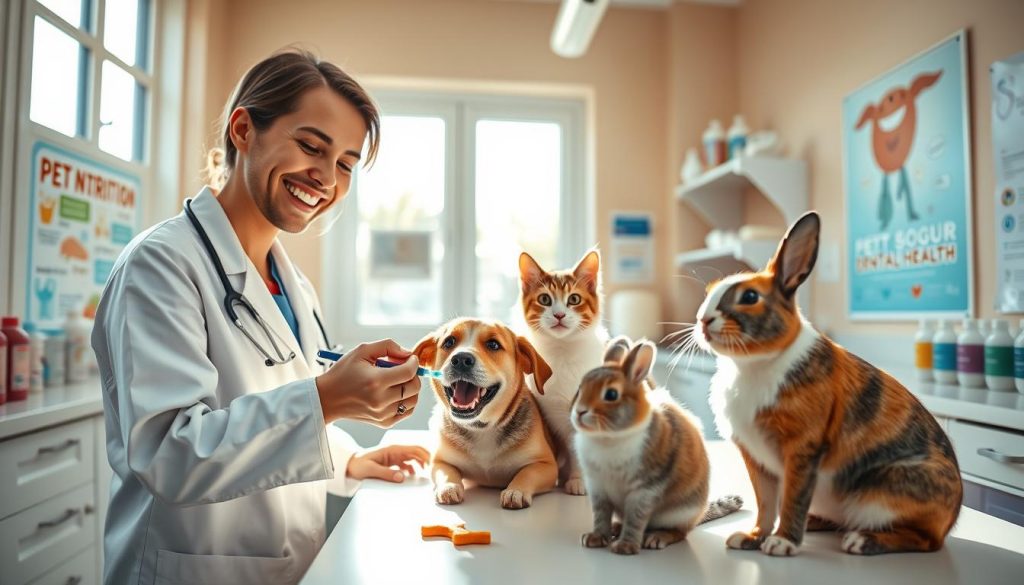
The Impact of Diet on Dental Hygiene
The texture of your pet’s food is a key factor in maintaining a clean mouth. Specifically designed kibble provides a gentle scrubbing action against the tooth surface as your pet chews. This process helps to reduce plaque accumulation before it hardens into tartar.
When looking for effective dental care for pets, consider the size and shape of the kibble. Larger, denser pieces often require more chewing, which naturally cleans the teeth. This simple habit is one of the most practical pet oral care tips for busy owners.
Treats That Boost Dental Health
Not all snacks are created equal when it comes to your pet’s smile. It is essential to select treats that are specifically formulated to support oral hygiene. Look for products that carry the seal of approval from a Veterinary Oral Health Council (VOHC).
These specialized treats are designed to be both tasty and functional. They often contain ingredients that help control tartar buildup while your pet enjoys a reward. Incorporating these items into your routine is a great way to enhance your overall pet oral care tips strategy.
By making informed dietary choices, you provide consistent support for your pet’s teeth. Remember that consistent nutrition works alongside other hygiene practices to keep those gums healthy and breath fresh. Always consult your veterinarian to find the best options for your specific breed.
Main Section 4: Addressing Dental Health Myths
You might be surprised to learn that some of the most popular advice about pet teeth is simply wrong. Many well-meaning owners rely on outdated information that can prevent them from providing the best care. By following simple pet oral care tips, you can ensure your companion stays happy and healthy for years to come.
Common Misunderstandings
One of the most persistent myths is that bad breath is just a normal part of being a dog or cat. In reality, foul-smelling breath is often one of the primary signs of dental disease that requires attention. Ignoring this scent can lead to more severe health complications down the road.
Another common belief is that feeding your pet dry kibble acts as a natural toothbrush. While some specialized diets may help, they cannot replace the mechanical action of actual brushing. Relying solely on food to clean teeth often leaves plaque and tartar buildup in hard-to-reach areas.
Encouraging Regular Care
Establishing a routine can feel daunting, especially if your pet is resistant to having their mouth handled. Start by introducing the process slowly with positive reinforcement and tasty, pet-safe toothpaste. Consistency is the secret ingredient to success when it comes to your pet’s hygiene.
If you have a busy schedule, try to incorporate short, frequent sessions rather than one long, stressful event. Even just a few minutes of brushing a couple of times a week can make a significant difference. Being proactive helps you spot signs of dental disease early, which is much easier to manage than advanced decay.
Remember that your veterinarian is your best partner in this journey. They can provide personalized pet oral care tips tailored to your specific breed and lifestyle. By dispelling these myths, you are taking a vital step toward protecting your pet’s overall well-being.
Conclusion
Your commitment to pet dental health serves as the foundation for your companion’s long-term wellness. Small habits practiced today prevent significant discomfort and expensive medical procedures down the road.
Consistency remains the most powerful tool in your kit. By dedicating a few minutes each day to oral hygiene, you protect your animal from systemic infections that often start in the gums. Brands like Virbac and Purina offer specialized products that make this process easier for busy owners.
Schedule a visit with your veterinarian to establish a baseline for your animal’s specific needs. Professional exams catch hidden issues before they escalate into painful conditions. These experts provide tailored advice that keeps your furry friend feeling their best.
Take action today by checking your pet’s mouth for signs of redness or bad breath. Sharing your journey with other owners helps build a community focused on better pet dental health. Your proactive approach ensures a vibrant, happy life for the animals who bring so much joy to your home.