
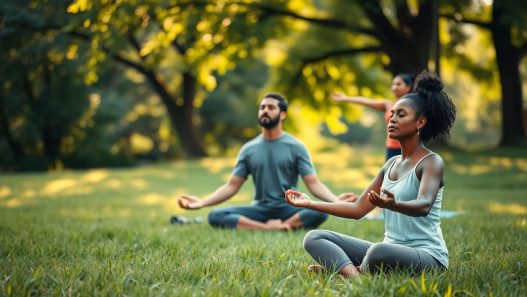



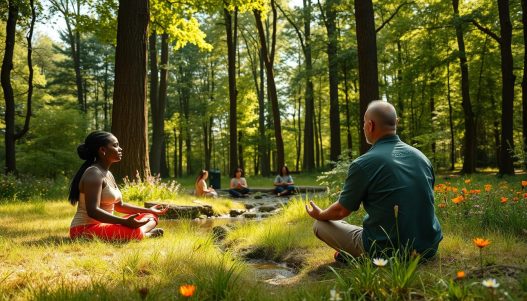
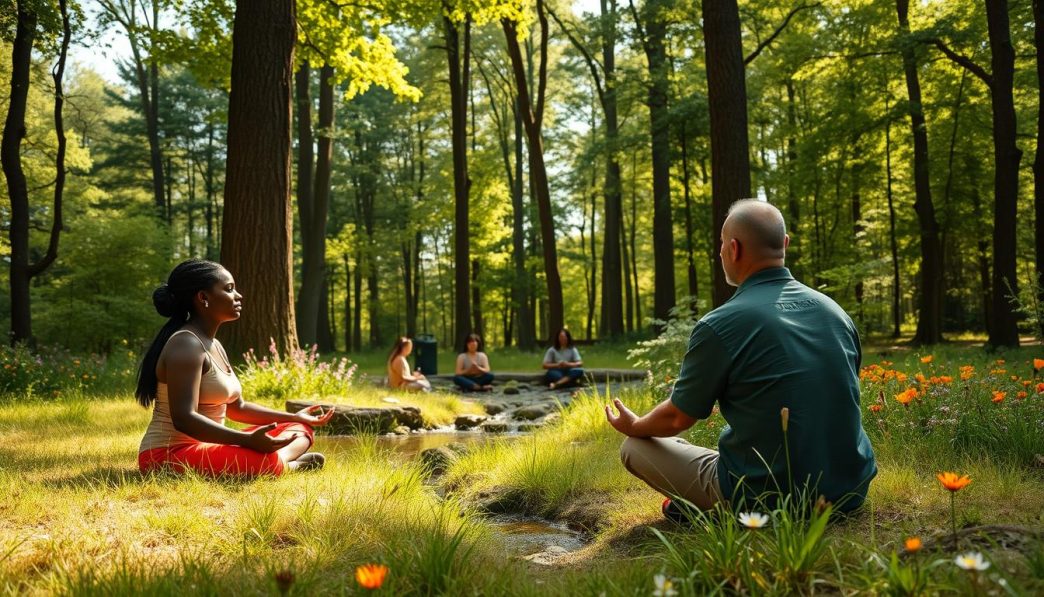
Modern science is finally catching up to what many have felt for generations: stepping outside is essential for our health. Lifespan and Nature Therapy are becoming deeply linked in recent studies, showing that green spaces do more than just provide a nice view. They act as a powerful catalyst for long-term vitality.
Engaging in nature therapy offers a simple, accessible way to boost your daily well-being. By spending intentional time in forests or parks, you can lower stress levels and improve your heart health. This practice is a foundational step toward achieving lifespan extension through natural, sustainable habits.
You do not need expensive equipment to start this journey. Embracing nature therapy allows you to reconnect with the environment while building a stronger, healthier future. It is time to step outside and unlock the potential for a longer, more vibrant life.
Key Takeaways
- Spending time in green spaces significantly lowers stress and improves mental health.
- Consistent outdoor exposure is linked to better cardiovascular outcomes and longevity.
- Nature-based habits are accessible, low-cost tools for improving daily quality of life.
- Scientific research supports the connection between environmental immersion and physical health.
- Small, daily changes in your routine can lead to meaningful long-term health benefits.
Main Section 1: Understanding Nature Therapy
The healing power of the outdoors is not just a myth, but a practice rooted in deep physiological benefits. As our lives become increasingly digital, the health benefits of nature are gaining recognition as a vital component of preventative medicine. This approach encourages individuals to step away from screens and engage directly with the environment to restore balance.
What is Nature Therapy?
At its core, nature therapy is a structured practice that involves spending time in natural settings to improve mental and physical health. It is not merely about taking a walk in the park; it is an intentional engagement with the natural world. By immersing yourself in these environments, you allow your body to reset its internal rhythms.
This practice is accessible to almost everyone, regardless of fitness level or location. Whether you are in a dense urban center or a rural landscape, finding a patch of green space can serve as a sanctuary. It acts as a bridge between our modern, fast-paced lives and the slower, restorative pace of the earth.
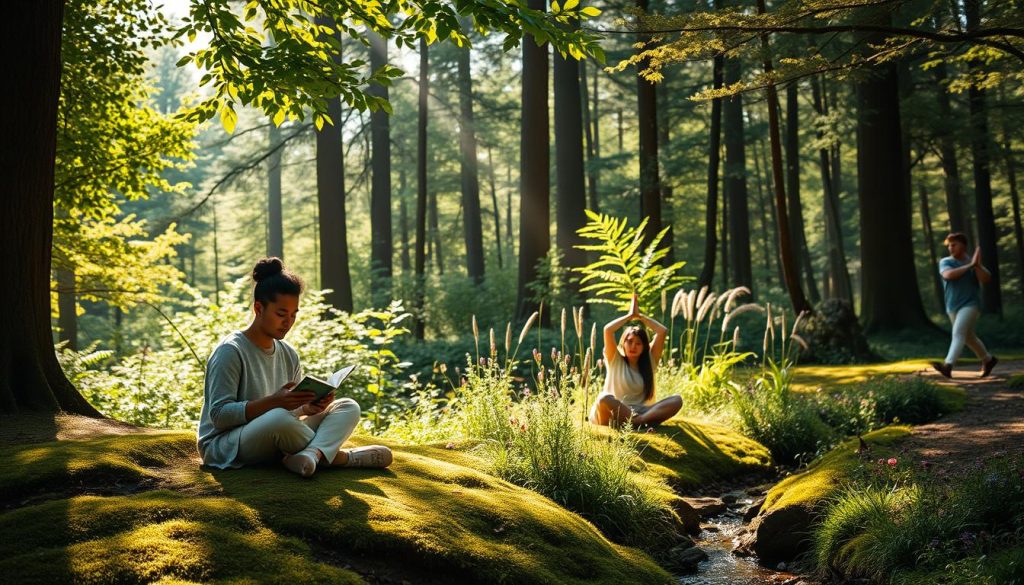
The Science Behind Nature and Health
Researchers have spent decades studying the greenery impact on health, uncovering how natural stimuli affect our nervous system. When we are surrounded by trees and plants, our bodies often experience a significant drop in cortisol levels. This physiological shift helps lower blood pressure and reduces the strain on our cardiovascular system.
The science suggests that our brains are hardwired to respond positively to natural patterns. This phenomenon, often called biophilia, explains why we feel an innate sense of calm when looking at landscapes or hearing natural sounds. By prioritizing these interactions, you can actively support your long-term wellness.
The Types of Nature Therapy Practices
There are many ways to incorporate these healing habits into your schedule. One of the most popular methods is forest bathing, a practice originating from Japan that focuses on mindfully absorbing the atmosphere of a woodland area. Beyond this, there are various outdoor activities that provide similar restorative effects.
| Activity Type | Primary Benefit | Intensity Level |
|---|---|---|
| Forest Bathing | Stress Reduction | Low |
| Nature Hiking | Physical Fitness | Moderate |
| Gardening | Mental Clarity | Low to Moderate |
| Outdoor Yoga | Flexibility & Calm | Low |
Choosing the right activity depends on your personal goals and physical capabilities. Whether you prefer the quiet solitude of a forest or the active engagement of a community garden, the key is consistency. By making these practices a regular part of your life, you unlock the full potential of the natural world.
Main Section 2: The Physical Health Benefits
Beyond the mental calm, spending time outdoors acts as a powerful catalyst for long-term physical vitality. When we prioritize a nature connection, our bodies respond with measurable improvements in overall function. These changes are not just fleeting; they form the bedrock of a healthier, more resilient life.
Lowering Stress Levels
Modern life often keeps our bodies in a state of high alert, which elevates cortisol levels and strains our systems. Immersing yourself in natural settings helps to naturally regulate these stress hormones. By simply walking through a park or forest, you allow your nervous system to shift from a “fight or flight” mode into a state of rest and recovery.
Boosting Immune Function
One of the most fascinating health benefits of nature involves the air we breathe in wooded areas. Trees and plants release organic compounds called phytoncides to protect themselves from germs. When we inhale these substances, our bodies respond by increasing the activity of natural killer cells, which are essential for a strong immune defense.
- Increased production of white blood cells.
- Enhanced ability to fight off common pathogens.
- Reduced systemic inflammation throughout the body.
Enhancing Physical Activity
Engaging in outdoor activities is a natural way to encourage consistent movement without the monotony of a gym. Whether it is hiking, cycling, or gardening, these pursuits keep the body active and agile. This regular movement is a critical component of lifespan extension, as it supports cardiovascular health and muscle strength.
The synergy between a consistent nature connection and physical movement creates a powerful cycle of wellness. By choosing to spend more time outside, you are investing in a future defined by vitality. Embracing these outdoor activities ensures that your body remains capable and strong for years to come.
Main Section 3: Mental and Emotional Well-Being
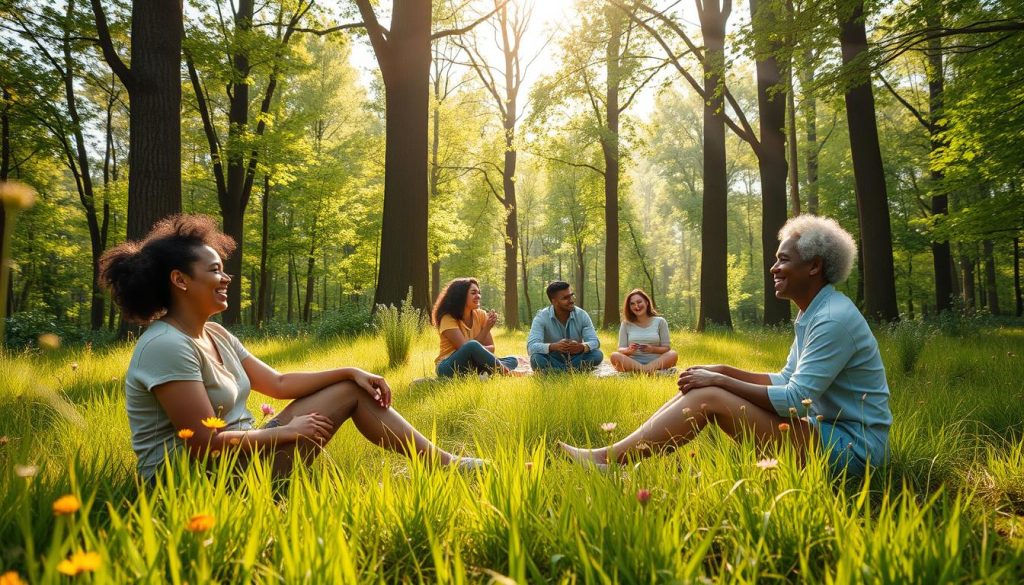
Beyond physical health, the natural world offers a profound sanctuary for our mental and emotional stability. Engaging in nature therapy allows individuals to disconnect from the frantic pace of modern life and find a sense of inner peace. By spending time in forests, parks, or gardens, we tap into the restorative health benefits of nature that support long-term emotional resilience.
Reducing Anxiety and Depression
Research consistently shows that a strong nature connection helps lower cortisol levels, which are often elevated in those experiencing anxiety. When we immerse ourselves in natural settings, our nervous system shifts from a state of high alert to one of calm relaxation. This transition is vital for managing symptoms of depression and fostering a more positive outlook on life.
Many people find that even short, daily walks in green spaces significantly improve their mood. The greenery impact on health is not just physical; it acts as a gentle buffer against the stressors of daily life. By prioritizing these moments, you create a sustainable foundation for better mental health.
Enhancing Cognitive Function
In our digital-heavy world, our brains often suffer from fatigue and reduced attention spans. Nature therapy serves as a powerful antidote, helping to restore our ability to focus and process information effectively. When we step away from screens and into the wild, we allow our minds to recover from the constant demand of multitasking.
The health benefits of nature extend to improved memory and creative problem-solving skills. A consistent nature connection encourages a state of “soft fascination,” where the brain can rest while still being engaged by the environment. This unique state is essential for maintaining high levels of cognitive performance throughout the week.
Main Section 4: Building a Nature-Inspired Lifestyle
Building a nature-inspired lifestyle starts with small, intentional changes to your daily routine. You do not need to live near a vast wilderness to experience the healing effects of the environment. By making minor adjustments, you can foster a lasting nature connection that supports your long-term health.
Integrating Nature into Daily Routines
Prioritizing outdoor activities is the first step toward a more balanced life. Even in busy urban settings, you can find pockets of greenery to recharge your spirit. Try to schedule short walks during your lunch break or commute to ensure you get fresh air every single day.
If you have access to a local park, consider practicing modified forest bathing. This technique involves slowing down and engaging your senses to observe the trees, birds, and wind. You do not need a deep forest to reap these rewards; a quiet corner of a community garden works just as well.
To stay consistent, try these simple habits:
- Take your morning coffee or tea outside on a porch or balcony.
- Choose walking paths that feature trees or water instead of busy streets.
- Practice mindful breathing while sitting on a park bench for ten minutes.
Creating Nature Spaces at Home
You can bring the outdoors inside by curating a living space that feels like a sanctuary. Adding houseplants is a fantastic way to improve air quality and boost your mood. A strong nature connection often begins with the simple act of caring for a small indoor garden.
If you have a balcony or patio, transform it into a personal retreat. Use comfortable seating and native plants to create a space where you can engage in outdoor activities like reading or meditation. Even a small window box filled with herbs can provide a sense of peace and accomplishment.
“Nature is not a place to visit. It is home.”
Remember that forest bathing is ultimately about presence rather than location. By surrounding yourself with natural elements at home, you create a constant reminder to slow down. These small changes will help you feel more grounded and energized throughout your busy week.
Conclusion
Your journey toward a vibrant life begins the moment you step outside. Integrating Lifespan and Nature Therapy into your daily habits creates a sustainable foundation for long-term vitality. This simple shift in your environment fosters a deeper connection to the world while supporting your physical and mental health.
Scientific evidence highlights that consistent exposure to green spaces contributes to meaningful lifespan extension. By choosing to walk in a local park or sit in a garden, you actively invest in your future. These small, intentional moments build a resilient body and a calm mind.
Prioritizing your well-being requires nothing more than a willingness to explore the natural world. You hold the power to transform your health through the healing influence of the outdoors. Start your path toward a longer, more fulfilling life by stepping into nature today.