
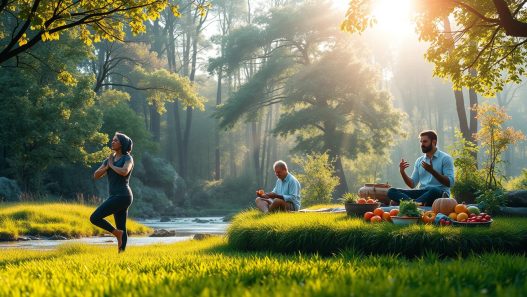


Modern life often keeps us glued to screens and trapped indoors. This constant digital engagement frequently leads to mental fatigue and high stress levels. Many people feel a deep sense of exhaustion that sleep alone cannot fix.
Finding a way to step away from the noise is essential for your health. Nature immersion offers a powerful path toward restoring your inner peace. By spending time in the outdoors, you allow your mind to reset and recover from the demands of a busy schedule.
You can easily improve your daily life by making small, intentional shifts. Incorporating these moments into your wellness routines helps build a lasting foundation for emotional balance. A simple nature connection can transform how you handle daily challenges.
Prioritizing the outdoors is not just a hobby; it is a vital step for long-term health. When you embrace the wild, you gain the clarity needed to thrive in our fast-paced world.
Key Takeaways
- Digital fatigue is a common side effect of modern, screen-heavy lifestyles.
- Spending time outdoors acts as a reset button for your mental clarity.
- Small, intentional habits are more effective than occasional grand gestures.
- Integrating the outdoors into your daily schedule supports long-term emotional health.
- Consistent exposure to the environment helps lower stress and boosts overall energy.
Main Section 1: Understanding Nature Immersion
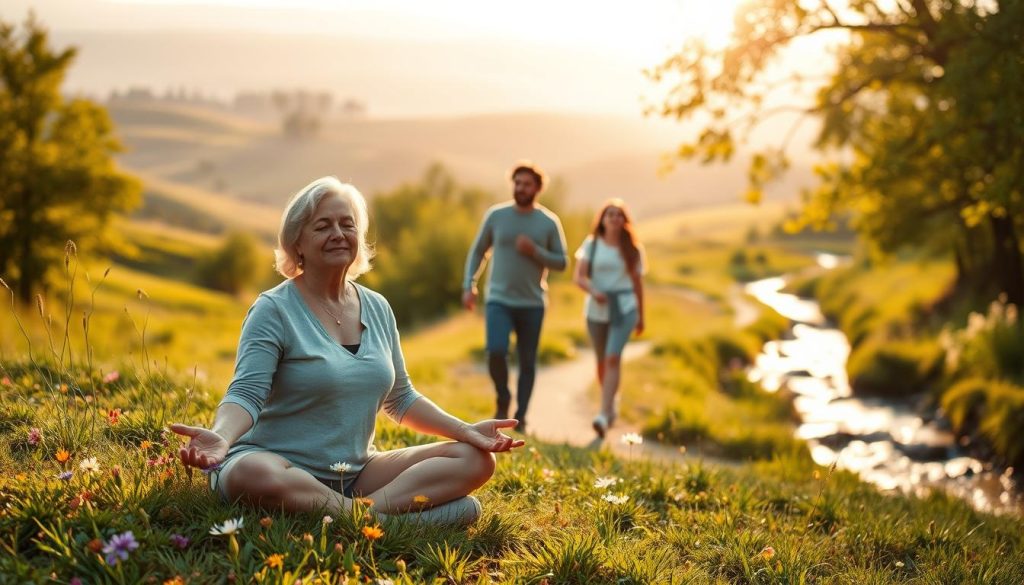
Stepping into the woods offers more than just a change of scenery; it provides a gateway to profound personal restoration. By intentionally engaging with the environment, you allow your senses to absorb the sights, sounds, and textures of the wild. This practice, known as nature immersion, serves as a powerful antidote to the stresses of modern living.
What is Nature Immersion?
At its core, this practice involves spending dedicated time in natural settings to foster a deep, restorative experience. It is not merely about being outside, but about fully engaging with the living world around you. Research suggests that spending at least 120 minutes per week in nature is associated with significantly better health and psychological well-being.
The Science of Nature’s Impact on Wellness
When we look at the clinical side of these experiences, we often refer to nature therapy. This holistic approach focuses on how natural environments help the body regulate its internal systems. Studies show that time spent in green spaces effectively reduces cortisol levels, which is the body’s primary stress hormone.
Beyond stress reduction, this practice plays a crucial role in improving cognitive function. By stepping away from digital screens and artificial lights, the brain finds the space it needs to recover from mental fatigue. This clarity of mind is one of the most celebrated outcomes of consistent outdoor engagement.
Biophilia and Human Connection to Nature
The concept of biophilia suggests that humans possess an innate, biological tendency to seek connections with nature and other forms of life. This deep-seated bond explains why we feel a sense of belonging when we are surrounded by trees, water, or open landscapes. Embracing this connection is a fundamental step toward achieving long-term wellness.
By recognizing our inherent biophilia, we can better understand why nature therapy feels so intuitive. It is not just a hobby; it is a return to our roots. When we prioritize these moments, we honor our natural need for balance and peace.
Main Section 2: Integrating Nature into Your Life
Small, consistent changes are the secret to unlocking the power of nature in your daily routine. You do not need to plan expensive trips or carve out hours of free time to experience the health benefits of nature. By making minor adjustments to your environment and habits, you can foster a deep connection with the natural world right where you are.
Simple Outdoor Practices
Incorporating mindful walking into your day is one of the easiest ways to start. Instead of rushing through your commute or lunch break, take a few minutes to notice the trees, the sky, or the feel of the wind on your skin. These brief moments of presence help ground your nervous system and reduce daily stress.
Forest bathing, or simply spending quiet time under a canopy of trees, is another accessible practice. You do not need a dense forest to reap the rewards; a local park or a tree-lined street can serve the same purpose. These outdoor activities allow you to disconnect from digital noise and reconnect with your senses.
Nature-Based Activities
Engaging in active hobbies can further enhance your wellness routines. Consider starting a small container garden on your balcony or joining a local community plot. Tending to plants provides a tactile experience that lowers cortisol levels and promotes a sense of accomplishment.
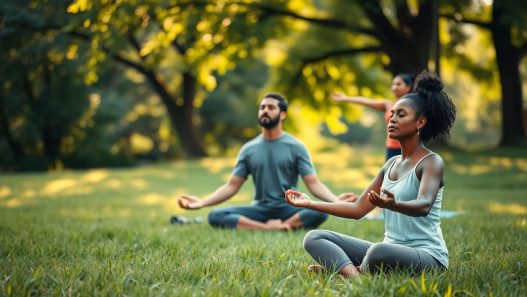
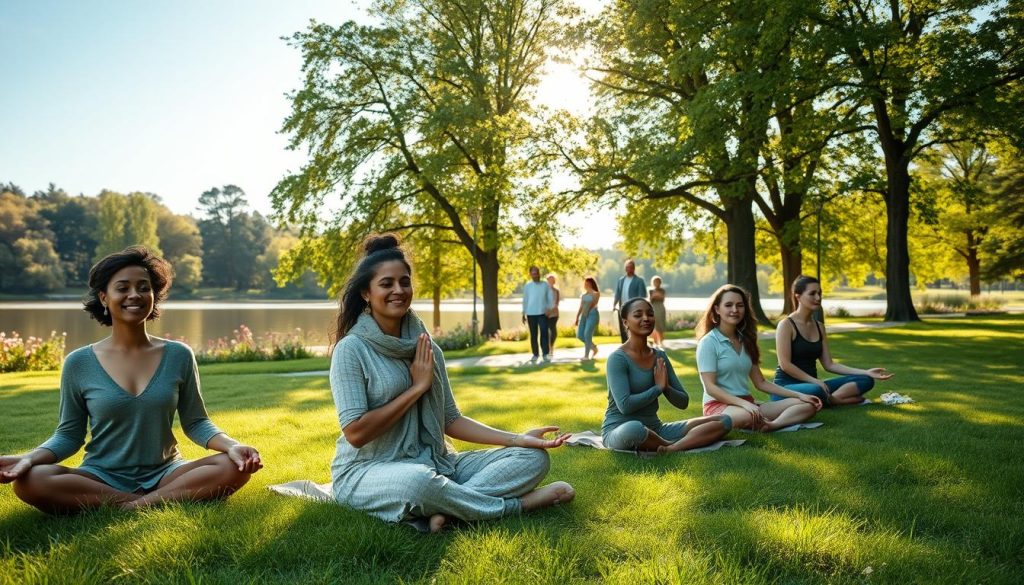
If gardening is not your preference, try practicing yoga or light stretching in a nearby green space. Moving your body outdoors amplifies the restorative effects of exercise. Even simple habits like reading a book on a park bench can significantly improve your mood and mental clarity.
Creating Nature Spaces at Home
You can bring the outdoors inside by optimizing your living space for natural light. Keep your curtains open during the day to invite sunlight into your home, which helps regulate your circadian rhythm. Adding indoor plants is another effective way to improve air quality and create a calming, vibrant atmosphere.
Consider incorporating natural textures like wood, stone, or organic cotton into your decor to mimic the outdoors. These small design choices help maintain the health benefits of nature even when you are stuck indoors. By curating your home environment, you ensure that your wellness routines remain supported by a connection to the natural world, regardless of your busy lifestyle.
Main Section 3: The Role of Community in Nature Connection
While nature immersion is often a solitary pursuit, the power of community can amplify its restorative benefits. Engaging with others in natural settings fosters meaningful social bonds and creates shared experiences that resonate long after you leave the woods. This sense of belonging taps into our innate biophilia, reminding us that we are part of a larger, interconnected ecosystem.
Community Gardening Initiatives
Community gardens serve as vibrant hubs where neighbors collaborate on green projects. These spaces do more than just produce fresh vegetables; they actively improve local biodiversity and boost collective mental health. By working the soil together, participants often report a significant reduction in stress and a stronger sense of local pride.
Nature Walks and Group Hikes
Organized outdoor activities, such as local nature walks and group hikes, provide a structured way to stay active. These outings offer the perfect balance of physical exercise and social interaction. Walking alongside others in a forest or park helps you feel more secure and motivated to explore new trails.
Nature-Based Wellness Programs
Many modern organizations are now turning to nature therapy to support their staff. These programs are designed to improve employee mental health and foster better team cohesion through guided outdoor experiences. By stepping away from the office desk and into a natural environment, teams can break down barriers and build stronger professional relationships.
Main Section 4: Long-Term Benefits of Nature Immersion
The true value of spending time outdoors reveals itself over months and years of consistent practice. While a single walk can boost your mood, nature immersion acts as a foundational pillar for your overall well-being. By choosing to step outside regularly, you build a reservoir of resilience that supports you through life’s many challenges.
Mental Health Improvements
Consistent engagement with the natural world offers profound psychological advantages. Research suggests that regular exposure to green spaces significantly reduces symptoms of anxiety and depression. When you make these outdoor activities a habit, you may notice a sharper attention span and a boost in creative problem-solving abilities.
- Lower levels of daily stress hormones.
- Enhanced cognitive clarity and focus.
- Greater emotional stability over time.
Physical Health Benefits
The health benefits of nature extend deep into your physiological systems. Over the long term, spending time in natural settings helps regulate blood pressure and strengthens your immune system. Many people also report a noticeable improvement in sleep quality after adopting a routine that includes daily time in the fresh air.
These physical changes occur because your body naturally aligns with the rhythms of the environment. By prioritizing these restorative moments, you provide your body with the tools it needs to recover and thrive.
Cultivating a Sustainable Relationship with Nature
To truly benefit from the outdoors, you must move beyond viewing it as a temporary escape. Embracing biophilia—the innate human tendency to seek connections with nature—allows you to integrate the environment into your daily life. This shift transforms nature immersion from a chore into a life-affirming lifestyle choice.
Start by finding small, manageable ways to keep outdoor activities in your schedule, regardless of the season. When you view the natural world as a partner in your wellness journey, the health benefits of nature become a permanent part of your identity. This sustainable approach ensures that you remain grounded, healthy, and connected for years to come.
Conclusion
Prioritizing a deep nature connection serves as a vital strategy for maintaining balance in our fast-paced modern era. You possess the power to transform your daily wellness routines by simply stepping outside.
Small, consistent actions lead to lasting improvements in your physical and mental health. You might start by taking a short walk in a local park or tending to a small garden. These moments act as a accessible form of nature therapy that fits into any busy schedule.
The health benefits of nature remain available to everyone regardless of location. Whether you live in a bustling city or a quiet suburb, the outdoors offers a sanctuary for your mind and body. Make the choice to step into the fresh air today.
Your journey toward better health starts with a single breath of open air. We invite you to share your favorite outdoor spots or personal experiences with us. Engaging with your local environment creates a ripple effect of wellness that impacts your entire community.