
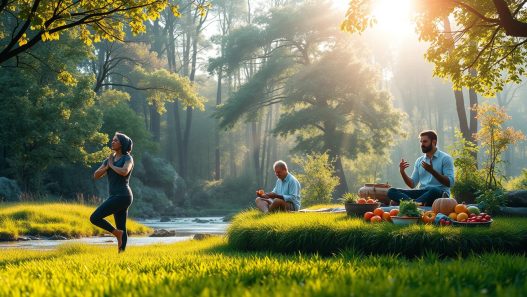
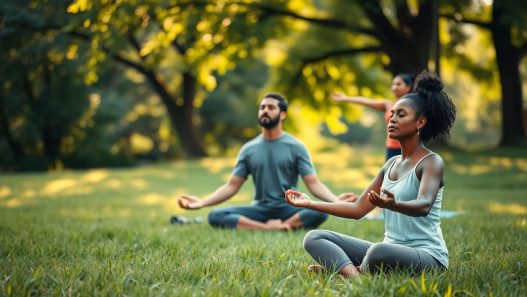


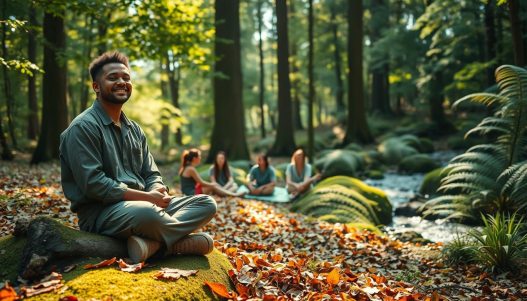
Have you ever felt the weight of the world lift just by stepping into a quiet, wooded area? You are not alone. Many people are discovering that forest bathing is a powerful way to reclaim their focus and peace of mind.
This practice invites you to slow down and engage your senses with the living world around you. By spending intentional time outdoors, you can achieve a profound sense of mental clarity that modern life often disrupts. It is a simple yet effective form of nature therapy that requires no special equipment.
Embracing this habit helps lower stress and boosts your overall mood. As you immerse yourself in the sights and sounds of the woods, you will find that forest bathing acts as a reset button for your brain. This journey toward better mental clarity is open to everyone, regardless of their fitness level or location.
Key Takeaways
- Forest bathing involves mindful immersion in wooded environments to reduce stress.
- Regular practice significantly improves cognitive function and emotional stability.
- This approach serves as an accessible form of wellness for busy individuals.
- Engaging the senses helps ground the mind and clear away mental clutter.
- Small, consistent sessions in green spaces lead to lasting personal growth.
Main Section 1: Understanding Forest Bathing
Stepping into a quiet woodland offers more than just a break from the noise of modern life. This practice, often called forest bathing, invites individuals to slow down and engage their senses fully with the environment. By moving away from digital screens and urban chaos, you allow your mind to reset in a natural sanctuary.
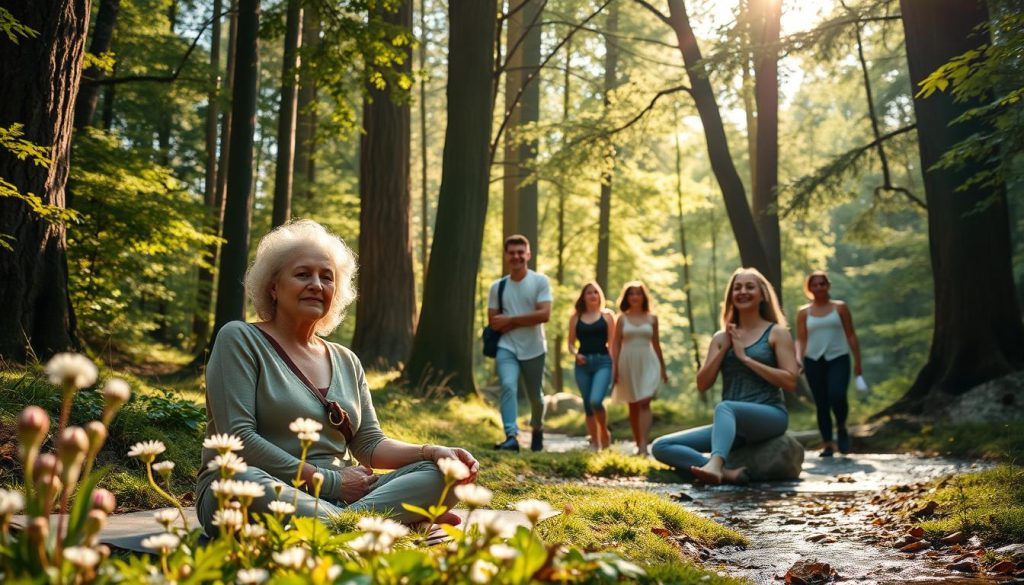
What is Forest Bathing?
At its core, this activity is not about hiking or exercise. It is a form of nature therapy that focuses on being present among the trees. You simply walk slowly, breathe deeply, and observe the textures, sounds, and scents of the forest floor.
The benefits of nature become apparent when you stop trying to reach a destination. Instead, you let the forest guide your pace. This mindful approach helps you cultivate a deeper appreciation for the living world around you.
The Science Behind Forest Bathing
Research suggests that spending time in wooded areas triggers positive physiological changes. When you inhale the air in a forest, you breathe in phytoncides, which are organic compounds released by trees to protect themselves from germs. These compounds have been shown to lower blood pressure and reduce stress hormones like cortisol.
Beyond the chemical impact, the visual patterns of nature help to soothe the nervous system. This form of eco-therapy is increasingly recognized by medical professionals as a valid way to support mental health. It provides a simple, accessible way to improve your overall well-being.
Cultural Roots and Global Practices
The term Shinrin-yoku originated in Japan during the 1980s as a public health initiative. It translates literally to “taking in the forest atmosphere.” While the Japanese formalized the practice, many cultures have long understood the healing power of the outdoors.
Today, this tradition has spread globally, adapting to various landscapes and climates. Whether you are in a dense pine forest or a local park, the principles remain the same. The following table highlights how different nature-based practices compare in their approach:
| Practice | Primary Focus | Key Benefit |
|---|---|---|
| Forest Bathing | Sensory Immersion | Stress Reduction |
| Nature Therapy | Guided Healing | Emotional Balance |
| Eco-therapy | Environmental Connection | Mental Clarity |
Main Section 2: Mental Health Benefits of Forest Bathing
Engaging with the natural world does more than just offer a scenic view; it actively reshapes our psychological state. By stepping away from the constant hum of urban life, we allow our brains to shift from a state of high alert to one of calm observation. This transition is essential for unlocking the profound benefits of nature that support our long-term health.
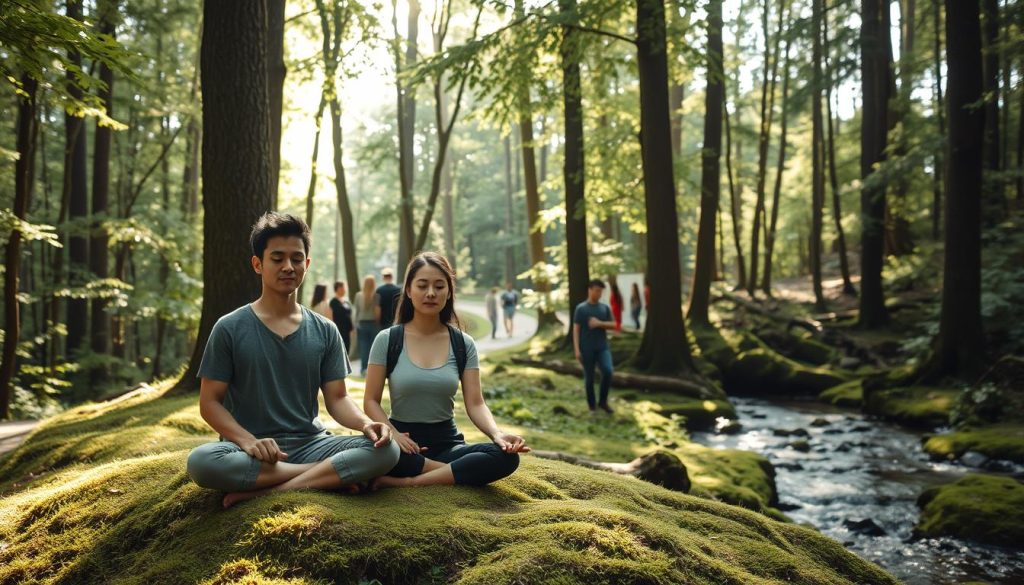
Reducing Stress and Anxiety
One of the most immediate impacts of spending time in a forest is the significant drop in cortisol levels. When we disconnect from digital devices, we remove the constant stream of notifications that keep our nervous system in a state of fight-or-flight. This break serves as one of the most effective stress relief techniques available today.
Deep breathing among the trees helps regulate the body’s internal rhythm. As the heart rate slows, the mind begins to let go of lingering worries. This physical shift creates a foundation for lasting peace and tranquility.
Enhancing Focus and Clarity
Modern life often leads to cognitive fatigue, making it difficult to concentrate on complex tasks. Immersing yourself in a forest environment allows the brain to recover from the exhaustion of constant multitasking. This process naturally fosters mental clarity, helping you return to your daily responsibilities with a refreshed perspective.
Research suggests that even short periods spent in green spaces can improve memory and attention span. By practicing mindfulness in nature, you train your brain to filter out distractions more efficiently. This cognitive boost is a key advantage for anyone looking to improve their productivity without the need for artificial stimulants.
Promoting Emotional Well-being
Beyond immediate stress reduction, forest bathing builds long-term emotional resilience. Regular exposure to natural settings helps us develop a more balanced outlook on life’s challenges. These stress relief techniques are not just temporary fixes; they are tools for cultivating a stable and positive mood.
Connecting with the environment encourages a sense of belonging and perspective that is often lost in busy cities. By prioritizing these benefits of nature, you invest in your own happiness. Achieving mental clarity becomes much easier when you make the forest a regular part of your emotional wellness routine.
Main Section 3: Practical Tips for Forest Bathing
Practical steps help you turn a simple walk in the woods into a powerful wellness habit. By preparing properly, you ensure that your time outdoors remains focused and restorative. Consistency is the secret ingredient to unlocking the full potential of this practice.
Planning Your Forest Bathing Experience
Choosing the right environment is the first step toward a successful session. Look for local parks, nature preserves, or quiet wooded trails that offer a sense of seclusion. You do not need a deep wilderness area to experience the benefits of forest bathing.
Always check the weather forecast before you head out. Dressing in layers allows you to stay comfortable regardless of shifting temperatures. Bringing a small backpack with water and a light snack ensures you can stay present without worrying about physical discomfort.
Techniques for Effective Forest Bathing
Once you arrive at your chosen spot, it is time to engage your senses. Mindfulness in nature involves slowing your pace significantly to notice the small details around you. Listen for the rustle of leaves, the chirping of birds, or the sound of wind moving through the canopy.
Try to touch the textures of the forest, such as the rough bark of a tree or the soft moss on a stone. These stress relief techniques help ground your nervous system in the present moment. By focusing on your senses, you allow your mind to detach from daily worries and find clarity.
Creating a Regular Practice
Building a habit requires intentionality and a realistic schedule. You might start by dedicating just twenty minutes once a week to your nature practice. Over time, you can increase the duration or frequency as you notice the positive impact on your mood.
Treat your time in the woods as a non-negotiable appointment with yourself. When you prioritize forest bathing as a form of self-care, you reinforce its value in your life. Remember that mindfulness in nature is a skill that grows stronger with every visit.
If you find it difficult to stay consistent, try pairing your outing with another weekly routine. For example, you could visit a local trail immediately after your Saturday morning coffee. Using these stress relief techniques regularly will help you maintain a calm and balanced perspective throughout your busy week.
Main Section 4: Connecting with Others through Nature
You might find that the healing energy of the forest is amplified when you share the journey with a supportive community. While nature is often viewed as a solitary escape, eco-therapy practices show that shared outdoor experiences can deepen our sense of belonging. Engaging with others in a natural setting creates a unique bond that strengthens both mental health and social ties.
Group Forest Bathing Experiences
Participating in guided group sessions allows individuals to process their surroundings in a collective environment. These sessions often feature a trained guide who facilitates mindful observation, helping participants feel more comfortable and present. By sharing these quiet moments, you can gain new perspectives from others who are also seeking peace and clarity.
The social support found in these groups is a cornerstone of modern eco-therapy. When you walk alongside others, the pressure to perform or talk disappears, leaving room for authentic connection. This shared silence often leads to a profound sense of mutual support and emotional relief.
Community Initiatives and Nature Therapy Programs
Local organizations are increasingly integrating nature-based wellness into their public health offerings. Many cities now host eco-therapy programs that make these experiences accessible to people from all walks of life. These initiatives aim to remove barriers to entry, ensuring that everyone can benefit from the restorative power of the woods.
Formal programs often partner with local parks to provide structured, safe, and inclusive environments. Whether through community centers or health clinics, these efforts are changing how we view public health. The following table highlights the key differences between solo practice and guided group sessions.
| Feature | Solo Practice | Group Session |
|---|---|---|
| Social Interaction | Minimal | High |
| Guidance Level | Self-directed | Expert-led |
| Primary Benefit | Deep introspection | Community support |
| Accessibility | High | Structured |
Conclusion
Your journey toward a calmer mind begins with a single step into the woods. Integrating nature therapy into your weekly routine provides a sustainable way to manage the pressures of modern life. This practice remains one of the most accessible and low-cost tools available for anyone seeking relief from daily stress.
Consistent time spent among trees fosters lasting mental clarity that carries over into your professional and personal life. You do not need expensive equipment or specialized training to start. A simple walk in a local park or a nearby forest serves as an effective entry point for your wellness journey.
Prioritize your health by making space for the outdoors this weekend. Experience the quiet power of the natural world and observe how it restores your focus. Your path to improved well-being is waiting just outside your door.