


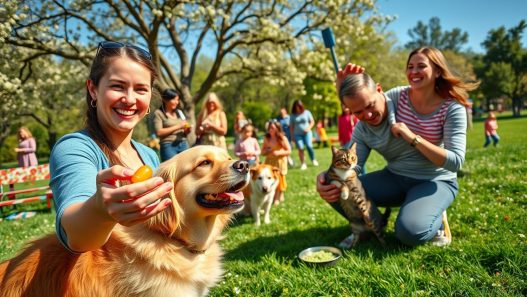



We often focus on nutrition and exercise to keep our companions healthy. However, prioritizing their psychological state is just as vital for a long, happy life. Understanding pet mental well-being allows us to move beyond basic needs and foster a deeper connection with our animals.
Proactive, creative pet care serves as the foundation for a thriving household. By making small, intentional adjustments to daily routines, you can significantly improve the quality of life for your furry friends. Focusing on pet mental health ensures that your companions remain engaged, curious, and emotionally balanced every single day.
Key Takeaways
- Psychological health is as important as physical fitness for animals.
- Small, consistent routine changes lead to significant improvements in happiness.
- Proactive engagement prevents boredom and behavioral issues.
- Creative strategies strengthen the bond between owners and their companions.
- A balanced approach to care supports a longer and more vibrant life.
Main Section 1: Understanding Pet Mental Health
Recognizing the nuances of animal psychology can transform your relationship with your furry friend. While we often focus on physical needs, pet mental health is a critical component of a balanced, happy life. Understanding these needs allows owners to create a supportive environment where their companions can truly thrive.
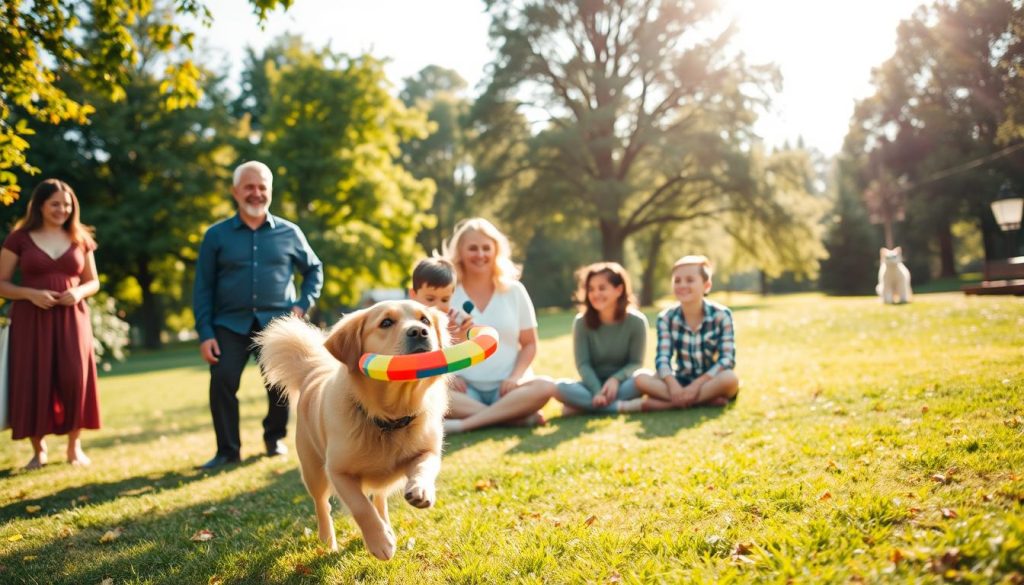
What is Pet Mental Health?
At its core, mental well-being in animals refers to their ability to cope with their environment and express natural behaviors. It encompasses their emotional state, cognitive function, and social interactions. When these psychological needs are met, pets feel secure and confident in their daily routines.
Emotional stability is not just for humans; it is a fundamental requirement for our pets. A mentally healthy animal is curious, engaged, and capable of forming strong bonds with their human family. When these needs are neglected, it can lead to long-term issues that affect their overall quality of life.
Common Signs of Mental Distress in Pets
Observing changes in pet behavior is the most effective way to identify hidden stress. You might notice your dog or cat becoming withdrawn, losing interest in favorite toys, or displaying sudden aggression. These shifts often serve as a silent cry for help.
Physical manifestations of anxiety are also common indicators. Excessive grooming, pacing, or destructive chewing are frequent symptoms that owners should monitor closely. Seeking pet anxiety relief early can prevent these behaviors from becoming deeply ingrained habits that are harder to correct later.
The Connection Between Physical Health and Mental Health
The link between a pet’s body and mind is profound and undeniable. Chronic pain or underlying illness often acts as a catalyst for emotional distress, making it difficult for a pet to remain calm or happy. When a pet feels physically unwell, their pet behavior often changes as a direct response to that discomfort.
Regular veterinary checkups are essential because they help rule out physical causes for emotional changes. By addressing pain or medical issues promptly, you provide the foundation for better mental stability. A healthy body is the best starting point for a resilient and joyful mind.
Main Section 2: Creative Enrichment Activities
Boredom often leads to unwanted pet behavior, but creative enrichment activities can solve this problem effectively. By introducing variety into your animal’s day, you help them stay curious and calm. Consistent engagement is the key to a happy and well-adjusted companion.
Interactive Toys and Games
Interactive toys are excellent tools for providing mental stimulation for pets. These devices challenge your pet to solve problems to earn a reward, such as a treat or a favorite toy. Puzzle feeders, for instance, force dogs and cats to use their natural foraging instincts.
You can also engage in active games like hide-and-seek or fetch. These activities require focus and physical movement, which helps burn off excess energy. When your pet is mentally tired, they are much less likely to engage in destructive habits around the house.
DIY Enrichment Projects
You do not need to spend a fortune to keep your pet entertained. Simple DIY projects can be just as effective as expensive store-bought items. For example, hiding treats inside a cardboard box or a rolled-up towel creates a fun scent-work game.
These enrichment activities are easy to assemble and provide hours of entertainment. Always supervise your pet during these games to ensure they stay safe. Using household items encourages creativity and keeps your pet’s mind sharp without breaking your budget.
Incorporating Training into Playtime
You can turn routine exercise into a rewarding cognitive challenge by using simple pet training tips. Instead of just throwing a ball, ask your pet to sit, stay, or perform a trick before you toss it. This method reinforces good manners while providing necessary mental stimulation for pets.
Positive reinforcement is the most effective way to teach new skills during play. Keep sessions short and fun to maintain your pet’s interest. By integrating these pet training tips into your daily routine, you strengthen your bond and improve overall pet behavior.
| Activity Type | Primary Benefit | Difficulty Level |
|---|---|---|
| Puzzle Feeders | Problem Solving | Medium |
| Scent Games | Natural Instincts | Easy |
| Trick Training | Obedience | High |
| Tug-of-War | Physical Bonding | Low |
Main Section 3: Environmental Factors
Beyond simple toys, the physical layout of your home serves as a foundation for ongoing mental stimulation for pets. Your living space acts as the primary setting for your companion’s daily life, and small adjustments can yield massive improvements in their mood. By curating a sensory-rich environment, you help your pet stay curious and emotionally balanced throughout the day.
Creating a Stimulating Home Environment
You can easily transform a standard room into an engaging landscape by rotating furniture or adding vertical spaces. Cats, for instance, thrive when they have high perches to observe their territory, while dogs benefit from hidden treat stations that encourage natural foraging behaviors. These enrichment activities keep their minds sharp and prevent the boredom that often leads to destructive habits.

Integrating pet training tips into your home design is another effective strategy. Use specific zones for different tasks, such as a quiet corner for relaxation and a dedicated area for active play. This structure helps your pet understand the purpose of each space, which fosters a sense of security and calm.
Outdoor Adventures and their Benefits
While the home is essential, structured outdoor adventures provide vital new experiences that indoor settings simply cannot replicate. Taking your pet to a new park or a quiet trail introduces them to a variety of scents, sounds, and textures. These sensory inputs are crucial for cognitive development and overall well-being.
When planning these outings, remember that quality matters more than quantity. A short, focused walk where your pet is allowed to sniff and explore at their own pace is often more rewarding than a long, rushed trip. Incorporating enrichment activities during these times, such as practicing basic commands in a new environment, reinforces your bond and improves focus.
Consistent exposure to the outside world helps build confidence in shy animals. By applying simple pet training tips during your adventures, you ensure that your companion remains engaged and responsive. Ultimately, a blend of a stimulating home and exciting outdoor experiences creates the perfect balance for a happy, healthy pet.
Main Section 4: Professional Support and Resources
Recognizing when your companion needs extra support is a vital part of responsible pet ownership. While many behavioral issues can be managed at home, there are moments when the expertise of a trained professional becomes necessary to ensure your pet’s long-term happiness.
When to Seek Help from a Professional
If you notice sudden changes in your pet’s personality, such as extreme lethargy, persistent aggression, or self-harming behaviors, it is time to consult a veterinarian. These symptoms often point to underlying medical conditions that require immediate attention before you can focus on pet mental health.
A certified animal behaviorist can provide tailored pet anxiety relief strategies if your pet displays chronic fear or separation distress. You should seek help if your pet’s behavior prevents them from enjoying daily activities or if it poses a safety risk to your household.
“The goal of behavioral intervention is not just to stop unwanted actions, but to improve the overall quality of life and emotional security of the animal.”
Resources for Pet Mental Health
Finding reliable information is essential for effective pet anxiety relief. Organizations like the American College of Veterinary Behaviorists offer evidence-based resources that help owners understand the psychological needs of their animals.
Utilizing professional networks ensures that you receive guidance backed by science rather than anecdotal advice. Below is a breakdown of the different types of professionals who can assist with your pet mental health journey.
| Professional Role | Primary Focus | Best For |
|---|---|---|
| Veterinarian | Medical health | Ruling out physical illness |
| Certified Behaviorist | Behavior modification | Complex anxiety or phobias |
| Professional Trainer | Skill building | Basic obedience and manners |
Always prioritize credentials when selecting a specialist to work with your pet. By building a strong support team, you provide the best possible environment for your companion to thrive.
Conclusion
Your journey toward a happier animal companion starts with small, daily choices. Prioritizing pet mental well-being creates a foundation for a long and joyful life together. This process requires you to stay observant as your animal grows and changes through the years.
You hold the power to transform your home into a sanctuary of comfort and stimulation. Embracing creative pet care allows you to tailor activities to the unique personality of your dog or cat. Brands like Kong or Outward Hound offer tools that make this transition simple for every owner.
Consistency remains the most important factor in your success. Take time each day to engage with your pet through play or training. Your dedication ensures that your companion feels secure and loved. Start today by trying one new activity and watch how your bond deepens through intentional, creative pet care that supports lasting pet mental well-being.