
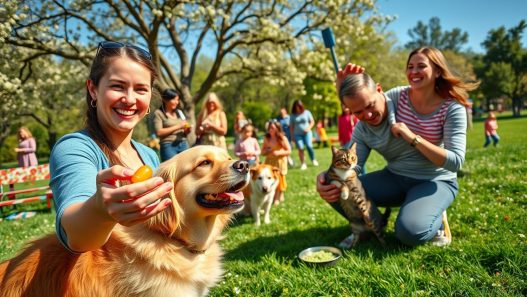

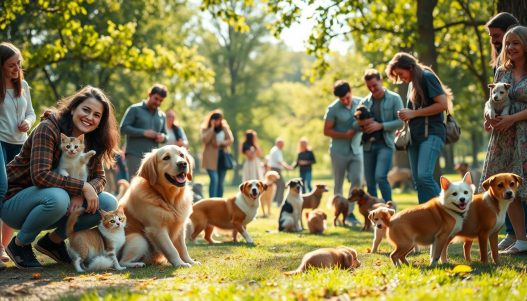
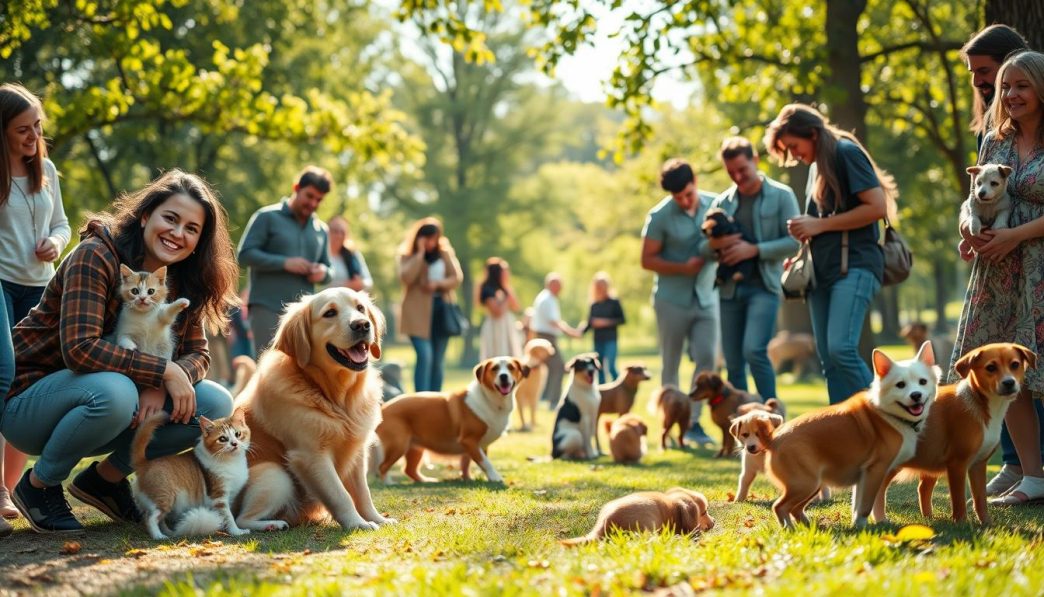
There is a unique magic in the bond we share with our animal companions. Every wagging tail or soft purr tells a story that deserves to be remembered forever. Mastering pet photography allows you to freeze these fleeting moments of joy into beautiful, lasting art.
You do not need expensive gear to start this creative journey. By learning simple techniques, you can transform basic snapshots into professional-quality images. This guide offers essential pet photography tips designed to help you highlight the distinct personality of your furry friend.
Whether you are a beginner or a seasoned pro, photography for pet lovers is a rewarding way to celebrate your connection. Grab your camera and prepare to document the playful spirit of your best friend with confidence and ease.
Key Takeaways
- Focus on eye-level angles to create a deeper emotional connection.
- Use natural light to capture the true texture of fur and eyes.
- Keep sessions short and fun to ensure your subject stays relaxed.
- Use treats or toys to grab attention and create engaging expressions.
- Patience is the most important tool in your creative kit.
Main Section 1: Preparing for the Shoot
Preparing for a successful photo session is the secret to capturing your pet’s true personality. When you plan ahead, you ensure that both you and your furry friend remain relaxed and happy. Proper preparation is the foundation of high-quality pet photography.
Choosing the Right Time of Day
Lighting is the most important element in photography. For the best results, try to schedule your session during the golden hour, which occurs shortly after sunrise or just before sunset. This soft, warm light creates a beautiful glow that makes pet portraits look professional and inviting.
Avoid the harsh midday sun, as it often creates unflattering shadows. If you are working outdoors, look for shaded areas to keep your subject comfortable. A relaxed pet is much easier to photograph than one squinting in bright light.
Setting the Scene
When you are shooting pets indoors, the background can make or break your image. Clear away any clutter, such as laundry or stray toys, to keep the focus on your pet. A clean, simple backdrop helps in capturing pets without unnecessary distractions.
Consider using a plain blanket or a dedicated pet bed to create a cozy space. By controlling your environment, you ensure that the viewer’s eye goes straight to your animal subject. This simple step elevates the overall quality of your work.
Equipment Essentials
You do not need a professional studio to get great results, but having the right gear helps. A versatile lens, such as a 50mm prime, is excellent for portraits because it creates a soft, blurred background. These pet photography tips will help you choose the right tools for your specific needs.
Always keep your camera battery charged and your memory card empty before you start. If you are working in a low-light environment, a tripod can be a lifesaver to prevent blurry images. Having your equipment ready allows you to focus entirely on your pet’s movements and expressions.
Main Section 2: Understanding Your Pet’s Behavior
Understanding your pet’s unique personality is the secret to capturing truly authentic images. When you work with their natural temperament, you create a stress-free environment that allows their true character to shine through in every frame.
Successful pet photography relies on your ability to observe and react to your subject. By staying patient and observant, you turn a simple photo session into a fun bonding experience for both you and your furry friend.
Reading Body Language
Learning to interpret subtle cues is one of the most valuable pet photography tips you can master. Whether you are focused on dog photography or cat photography, recognizing when your pet is relaxed or anxious helps you time your shots perfectly.
A wagging tail or perked ears often signal a moment of high energy, which is ideal for action shots. Conversely, a slow blink or a soft gaze suggests a calm moment perfect for a tender portrait.
Finding Their Best Angles
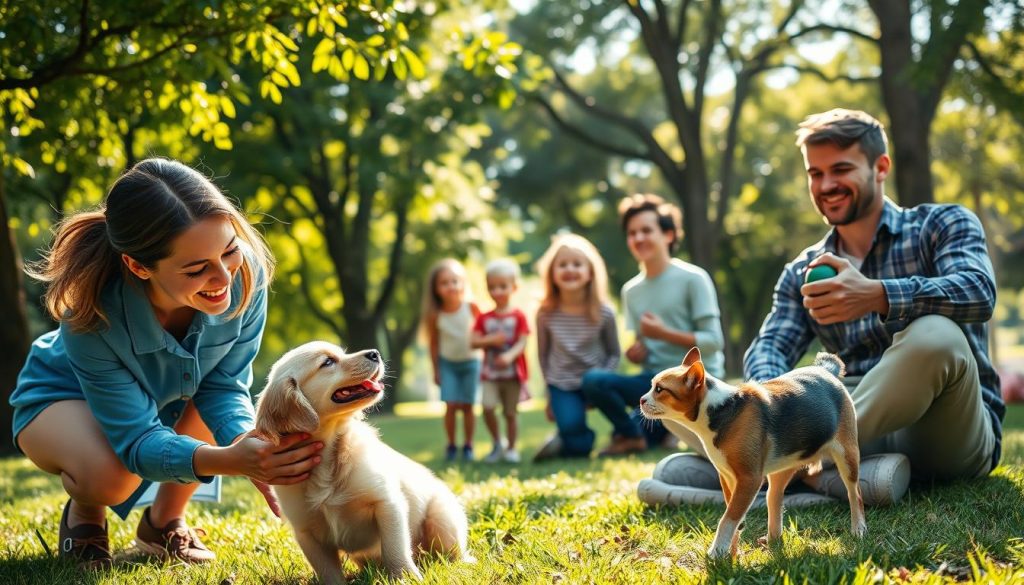
When capturing pets, you should avoid shooting from high above, as this can make them look small and distorted. Instead, get down to their eye level to create a more intimate and engaging perspective.
Experiment with different angles to highlight their unique features, such as their expressive eyes or a distinct coat pattern. Focusing on their face often creates the strongest emotional connection with the viewer.
Utilizing Treats and Toys
Keeping your pet engaged is essential for a smooth session. Use their favorite treats to reward good behavior and keep them focused on the camera lens.
Squeaky toys are also excellent tools for grabbing their attention at the right moment. Consistency is key, so keep the session short and positive to ensure your pet remains happy and cooperative throughout the process.
Main Section 3: Techniques for Stunning Shots
Elevating your pet photography requires more than just a good camera; it demands a shift in perspective. By moving beyond standard snapshots, you can create images that truly capture the personality of your animal companion. These technical adjustments will help you achieve professional results in any environment.
Experimenting with Different Perspectives
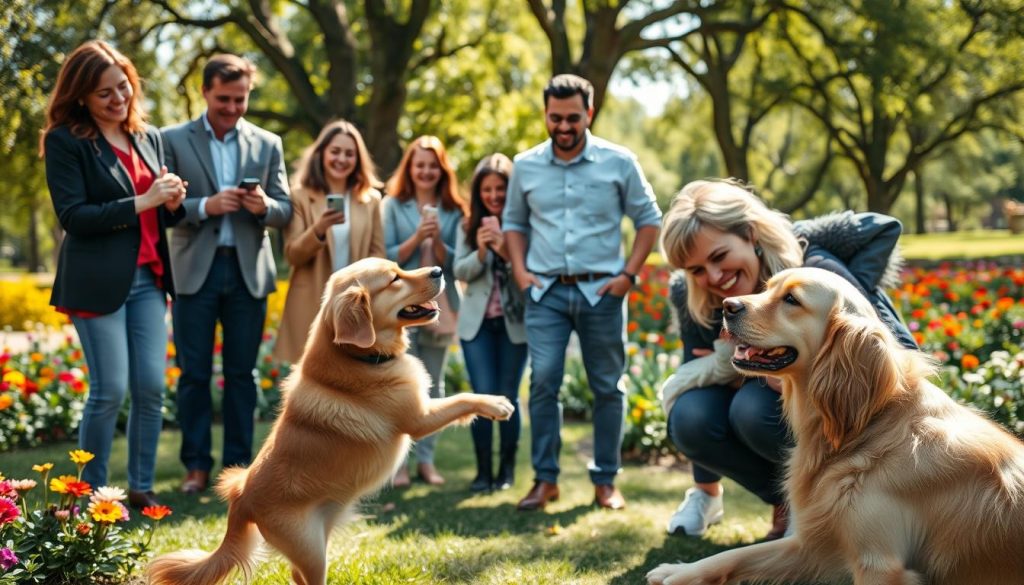
Most people take pet pictures from a standing position, which often results in a distorted view. Instead, try getting down to your pet’s eye level to create a more intimate connection. This simple change makes the viewer feel like they are right there in the moment with your pet.
Do not be afraid to experiment with unique angles. Shooting from slightly above can emphasize a pet’s cute features, while a low-angle shot can make them look heroic and grand. Changing your physical position is the fastest way to add variety to your portfolio.
Mastering Focus and Depth of Field
Creating beautiful pet portraits often relies on how you manage your focus. You should always aim to keep the eyes of your subject perfectly sharp, as this is where the viewer’s attention naturally lands. Using a wide aperture, such as f/2.8, helps isolate your pet from a busy background.
This technique creates a soft, blurred effect known as bokeh. It ensures that your subject remains the clear focal point of the image. Practice locking your focus on the eyes before you press the shutter button to ensure maximum clarity.
Capturing Action Shots
When it comes to dog photography, fast-paced movement is part of the fun. To freeze these moments, you must use a fast shutter speed, typically 1/1000th of a second or higher. This setting prevents motion blur and keeps your pet looking crisp during play.
Utilizing burst mode is another essential strategy for active pets. By taking multiple frames in a single second, you increase your chances of catching the perfect jump or run. The following table outlines recommended settings for various scenarios:
| Scenario | Shutter Speed | Aperture | Best For |
|---|---|---|---|
| Portrait | 1/250s | f/2.8 | Cat photography |
| Walking | 1/500s | f/4.0 | Casual movement |
| Running | 1/1000s | f/5.6 | High-speed play |
Main Section 4: Editing and Sharing Your Photos
Once your camera is put away, the real magic of pet photography begins in the digital darkroom. This final stage allows you to refine your images and highlight the unique personality of your animal companion. With a few simple adjustments, you can transform good shots into truly memorable keepsakes.
Basic Editing Techniques
When you are shooting pets indoors, artificial lighting can sometimes create unwanted color casts or shadows. Use editing software to adjust the white balance, which helps restore natural skin and fur tones. You should also tweak the exposure and contrast to ensure your subject stands out clearly against the background.
“Photography is the story I fail to put into words.”
Don’t be afraid to crop your images to improve the overall composition. A tighter crop often draws more attention to the eyes, which are the most expressive part of any animal portrait. Remember to keep your edits subtle to maintain a natural and professional look.
Sharing Your Work
After you have polished your pet pictures, it is time to share them with the world. Social media platforms like Instagram and Facebook are excellent places to connect with other animal enthusiasts. You might also consider joining online photography groups to receive constructive feedback and grow your skills.
Consider these effective ways to showcase your final results:
- Create a dedicated digital album for friends and family.
- Print your favorite shots on high-quality photo paper for your home.
- Participate in online pet photography challenges to stay inspired.
Sharing your work is a wonderful way to celebrate the bond you have with your pet. Whether you post online or display a framed print, your efforts will surely bring joy to others. Keep practicing, and your unique style will continue to shine through in every frame.
Conclusion
Your journey into the world of pet photography is a rewarding path that blends technical skill with genuine affection for your animals. Every shutter click captures a unique moment in the life of your companion.
Consistent practice remains the best way to refine your craft. You will notice your skills grow as you spend more time behind the lens of your Canon or Nikon camera.
This guide provides a solid foundation for photography for pet lovers everywhere. Use these insights to build your confidence and develop a distinct artistic style.
High-quality pet pictures tell a story that words cannot fully express. Keep experimenting with lighting and angles to showcase the personality of your furry friends.
Share your favorite shots with friends or on social media platforms to celebrate your progress. Your dedication to this hobby will result in a beautiful collection of memories that last a lifetime.