




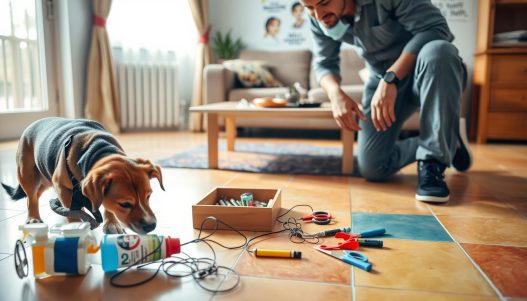
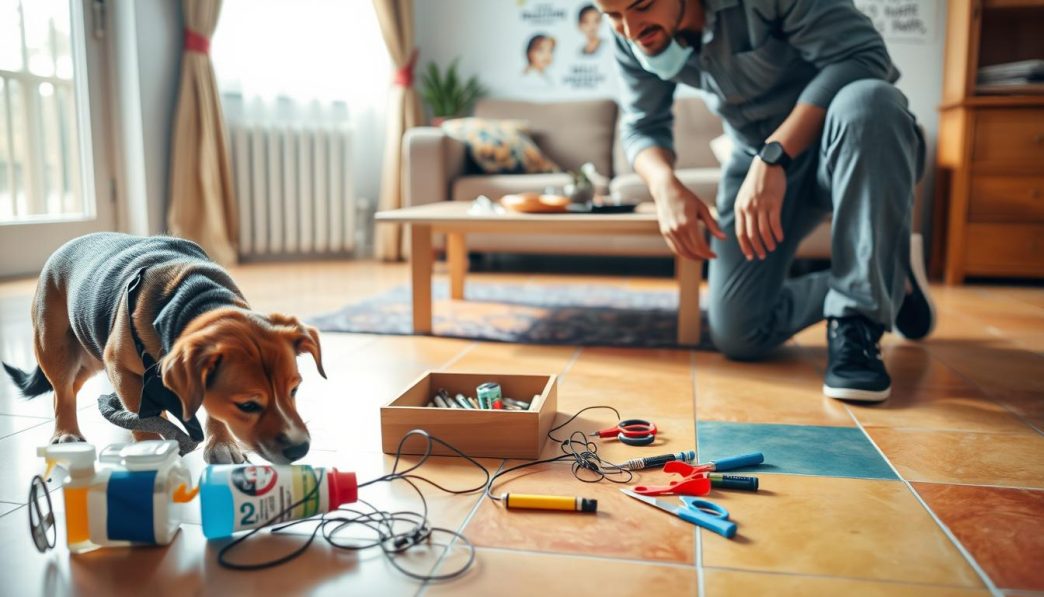
Your home is meant to be a sanctuary, but for our furry companions, it can hide unexpected risks. Maintaining a secure environment is the foundation of responsible pet care. By staying alert, you can transform your living space into a truly protected zone.
Many common household hazards are tucked away in plain sight. From toxic plants to loose electrical cords, these items often go unnoticed until an accident occurs. Proactive awareness allows you to identify these threats before they cause harm.
Taking small, consistent steps makes a massive difference in your animal’s well-being. Prioritizing pet safety ensures that your home remains a place of joy rather than a source of stress. Let’s explore how you can effectively mitigate these risks to keep your best friend healthy and happy.
Key Takeaways
- Identify hidden toxins like cleaning supplies and certain houseplants.
- Secure loose wires to prevent chewing and electrical shocks.
- Keep small objects out of reach to avoid choking risks.
- Create a designated area where your companion can relax undisturbed.
- Regularly inspect your living space for new or overlooked dangers.
Main Section 1: Identifying Toxic Plants
Your home should be a sanctuary, yet some common houseplants can turn that safe space into a danger zone for curious pets. While greenery adds life to your decor, identifying toxic plants is a vital responsibility for every pet owner. Taking the time to research your foliage ensures that your living space remains a secure environment for your four-legged friends.
Common Indoor Plants That Are Toxic
Many popular houseplants contain compounds that can cause severe reactions if ingested. Even a small nibble can lead to significant discomfort or long-term issues for your animal companions.
Be cautious of these common household varieties:
- Lilies: Highly dangerous, especially to cats, as they can cause rapid kidney failure.
- Philodendron and Pothos: These contain insoluble calcium oxalates that cause oral irritation and swelling.
- Snake Plants: While hardy, they can cause nausea and vomiting if chewed on by dogs or cats.
- Aloe Vera: Although beneficial for humans, it is toxic to pets and can cause digestive distress.
Safe Alternatives to Toxic Plants
You do not have to sacrifice your indoor garden to maintain excellent pet health. There are many beautiful, non-toxic options that allow you to enjoy nature without the constant worry of accidental poisoning.
Consider adding these pet-friendly plants to your collection:
- Spider Plants: These are safe, easy to grow, and look great in hanging baskets.
- Boston Ferns: A lush, green choice that is completely harmless to curious pets.
- Parlor Palms: These add a touch of elegance and are perfectly safe for your home.
- Calatheas: Known for their stunning patterns, these are a wonderful, non-toxic addition to any room.
Signs of Plant Poisoning in Pets
Even with the best precautions, accidents can happen. Recognizing the early warning signs of plant ingestion is crucial for protecting your pet health and ensuring they receive prompt veterinary care.
Watch for these common clinical symptoms:
- Excessive drooling or foaming at the mouth.
- Sudden vomiting or diarrhea.
- Unusual lethargy or lack of energy.
- Difficulty breathing or swallowing.
- Swelling of the lips, tongue, or throat.
If you suspect your pet has ingested a harmful plant, please contact your veterinarian immediately. Early intervention is the best way to ensure a positive outcome for your beloved companion.
Main Section 2: Household Products and Chemicals
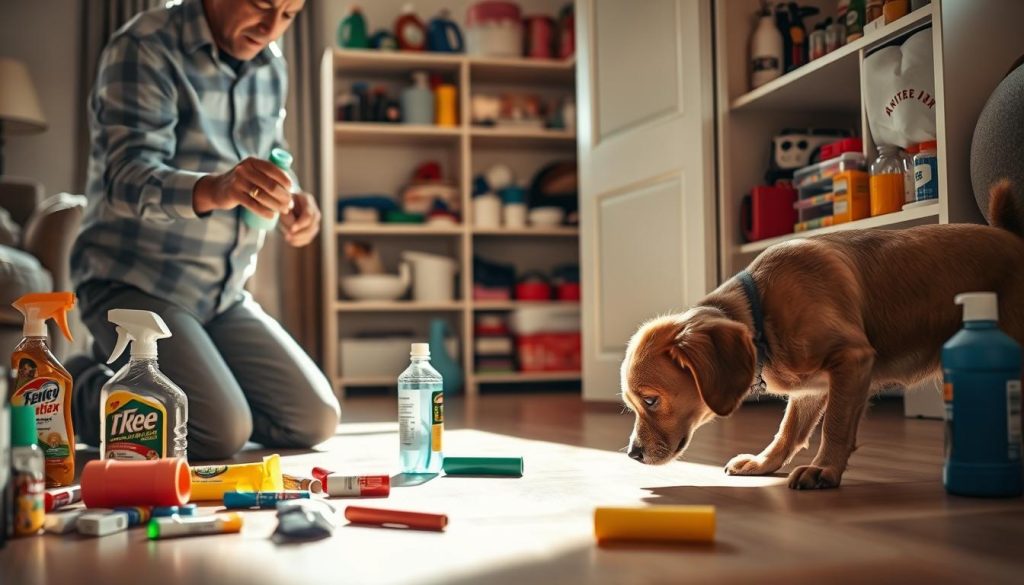
Creating a safe environment starts with understanding the hidden risks in your cleaning cabinet. While we strive for a spotless home, many standard products contain ingredients that can be toxic to curious animals. Recognizing these household hazards is the first step toward protecting your pets from accidental exposure.
Everyday Cleaning Supplies That Are Harmful
Many common cleaning agents found in American homes pose significant risks to pets. When you mop floors or wipe counters, residue can easily transfer to your pet’s paws, leading to ingestion during grooming. These common dangers often lurk in products we use every single day.
Be particularly cautious with the following substances:
- Bleach: Highly corrosive and can cause severe respiratory irritation or chemical burns.
- Ammonia: Often found in glass cleaners, this can damage a pet’s sensitive nose and throat.
- Phenols: Frequently present in floor cleaners, these are notoriously toxic to cats and dogs.
- Phthalates: Common in synthetic fragrances, these can disrupt your pet’s endocrine system over time.
Pet-Safe Cleaning Alternatives
You do not need harsh chemicals to maintain a hygienic home. Many natural ingredients are just as effective at cutting through grime without the toxic side effects. Switching to these options helps ensure a safe environment for every member of your family.
Consider these simple, pet-friendly swaps for your cleaning routine:
- White Vinegar: An excellent natural disinfectant for windows and hard surfaces.
- Baking Soda: Perfect for scrubbing tubs and neutralizing odors on carpets.
- Enzymatic Cleaners: These are highly recommended for pet accidents, as they break down stains safely.
- Castile Soap: A gentle, plant-based soap that works well for general floor cleaning.
Proper Storage of Household Chemicals
Even if a product is labeled as safe, it should never be left within reach of a curious animal. Proper storage is your final line of defense against accidental ingestion or spills. Always keep your supplies in their original containers to ensure you have access to safety instructions if an emergency occurs.
Follow these storage tips to keep your home secure:
- Store all chemicals in high cabinets or behind locked doors that pets cannot open.
- Keep cleaning buckets and spray bottles tucked away immediately after use.
- Ensure all lids are tightened securely to prevent leaks or spills.
- Consider using child-proof latches on lower cabinets to prevent clever pets from investigating.
Main Section 3: Foods to Avoid
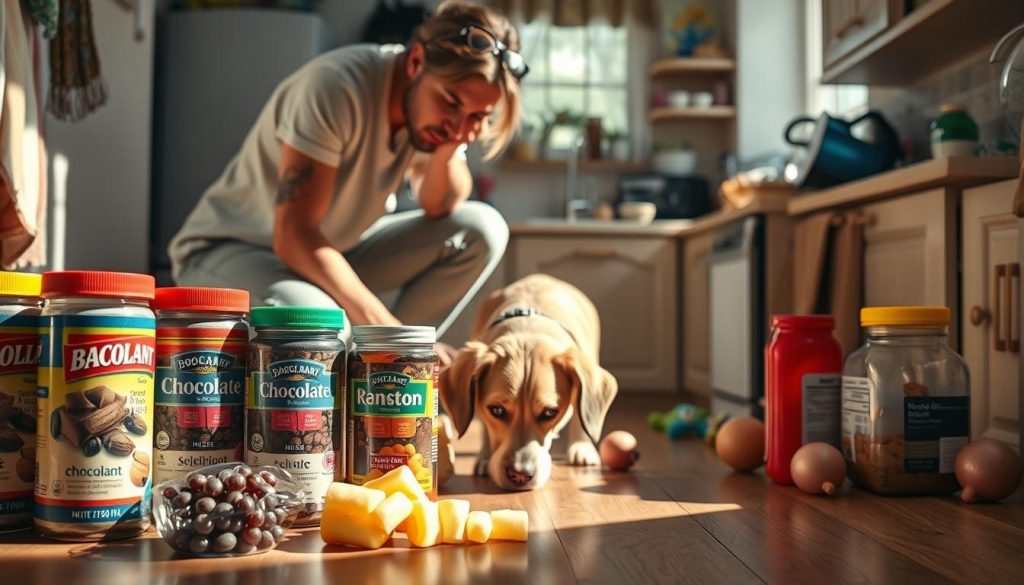
Protecting your pet health starts with understanding which common kitchen items are actually dangerous. While the kitchen is the heart of your home, it often hides many common dangers that can lead to unexpected veterinary visits. Being aware of what your pet consumes is the first step toward a safer environment.
Toxic Foods for Pets
Many items found in a standard pantry can be life-threatening to animals. You must keep these substances strictly out of reach to avoid severe household hazards:
- Chocolate: Contains theobromine, which is highly toxic to dogs and cats.
- Grapes and Raisins: These can cause sudden kidney failure even in small amounts.
- Onions and Garlic: These ingredients damage red blood cells, leading to anemia.
- Xylitol: Often found in sugar-free gum and peanut butter, this sweetener causes dangerous drops in blood sugar.
Safe Human Foods Pets Can Enjoy
Sharing a snack with your pet can be a bonding experience if you choose the right items. You can safely offer these healthy treats in moderation to support your pet health:
- Carrots: These provide a satisfying crunch and are great for dental health.
- Blueberries: Packed with antioxidants, these make a perfect bite-sized reward.
- Plain Cooked Chicken: A lean protein source that most pets find absolutely delicious.
Creating a Pet-Friendly Kitchen
Organization is your best defense against accidental ingestion of harmful items. Always store cleaning supplies and toxic foods in high cabinets or behind child-proof locks to minimize common dangers.
Consider investing in a heavy-duty, locking trash can to prevent your pet from scavenging through scraps. By keeping counters clear of food items, you create a secure space where your pet can safely spend time with you while you cook.
Main Section 4: Pet-Proofing Your Home
Pet-proofing your living space is one of the most effective ways to ensure your furry friend stays healthy and happy. It is a continuous process that requires you to look at your home from a new perspective. By taking small, deliberate actions, you can build a safe environment where your pet can explore with total confidence.
Essential Steps to Pet-Proofing
The first step in securing your home involves identifying items that could cause harm. You should start by securing all loose electrical wires, as these are tempting chew toys for curious puppies and kittens. Using cord covers or cable organizers can prevent dangerous shocks or strangulation risks.
Next, perform a thorough sweep of your home to remove any toxic plants that might be within reach. Many common houseplants can cause severe illness if ingested, so placing them on high shelves or removing them entirely is a smart move. Always double-check that your greenery is non-toxic to ensure your pet remains safe.
Common Areas of Concern
Certain rooms in your house present more risks than others. Garages, laundry rooms, and bathrooms are often filled with hidden hazards like cleaning agents, antifreeze, or sharp objects. Keeping these doors closed or installing child-proof latches is a great way to limit access to these dangerous zones.
In the bathroom, always keep the toilet lid down to prevent accidental drowning or ingestion of cleaning chemicals. In the laundry room, ensure that detergent pods and dryer sheets are stored in high, locked cabinets. By systematically addressing these areas, you create a safe environment that protects your pet from accidental poisoning or injury.
| Room | Primary Hazard | Action Required |
|---|---|---|
| Garage | Chemicals/Antifreeze | Store on high shelves |
| Living Room | Electrical Cords | Use cord protectors |
| Kitchen | Toxic Plants | Remove or relocate |
| Laundry Room | Detergents | Keep in locked bins |
Conclusion
Your home serves as the primary sanctuary for your animal companions. Maintaining this space requires a steady commitment to pet safety that evolves as your pets grow and explore.
Consistent pet-proofing habits turn a standard house into a secure environment. Small adjustments to your daily routine prevent accidents before they happen. This proactive mindset remains the best tool for long-term pet care.
You now possess the knowledge to spot hidden risks in every room. Use these insights to audit your living space today. Your attention to detail builds a foundation for a healthy life for your furry friends.
Share your own experiences with keeping a secure home in the space below. Tell us which strategies worked best for your specific breed or personality. Your input helps other owners build a safer world for their pets.