




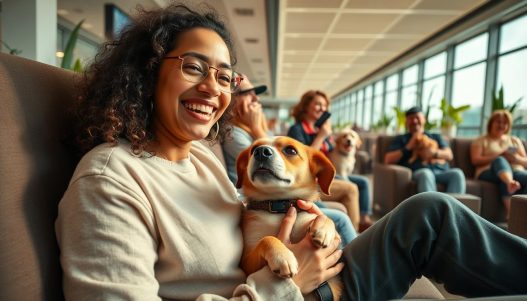
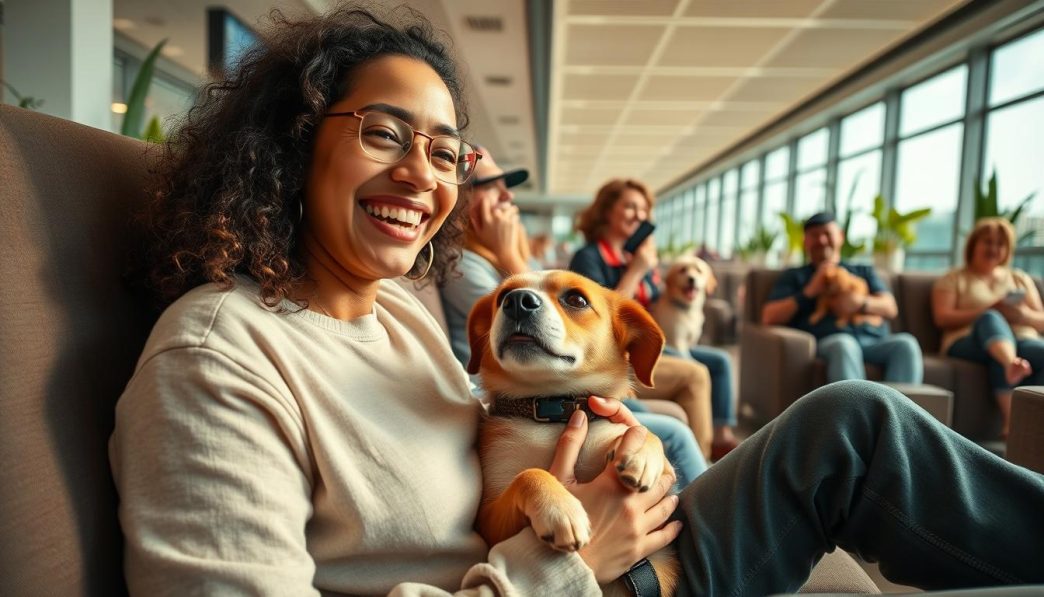
Flying with your furry companion often feels overwhelming. Many owners worry about the complex logistics of moving through busy airports with their animal friends.
Proper planning turns this daunting task into a stress-free pet travel experience. By following expert advice, you ensure your buddy stays safe, comfortable, and calm throughout the entire journey.
This guide acts as your comprehensive roadmap for air travel with pets across the United States. We cover everything from booking to landing, making your upcoming trip simple and organized. With the right preparation, you can enjoy a smooth adventure from takeoff to arrival.
Key Takeaways
- Research airline policies well in advance to avoid surprises.
- Schedule a vet visit to ensure your companion is healthy for flight.
- Choose a comfortable, airline-approved carrier for maximum safety.
- Acclimate your animal to their crate before the departure date.
- Keep essential documents and medical records easily accessible.
- Plan for bathroom breaks and hydration during long layovers.
Understanding Airline Regulations
Before you book your flight, you must decode the unique requirements set by different carriers. Navigating the specific rules for pet airline regulations is the most critical step in planning a stress-free journey. Taking the time to research these details early prevents last-minute surprises at the airport check-in counter.
Pet Policies of Major Airlines
Many pet-friendly airlines in the United States offer clear guidelines for traveling with animals. Carriers like Delta, United, and American Airlines have distinct procedures regarding breed restrictions, carrier dimensions, and weight limits. Always verify the current policy on the official airline website, as these rules can change seasonally.
“Traveling with a pet requires careful planning and a thorough understanding of the specific airline’s safety protocols to ensure a comfortable experience for your companion.”
In-Cabin vs. Cargo Travel
Most travelers prefer in-cabin pet travel because it allows them to keep their pets close during the flight. This option is typically reserved for small dogs and cats that fit comfortably in a carrier under the seat. If your pet exceeds the weight limit, you may need to explore cargo or checked baggage options, which involve different safety standards and climate-controlled environments.
| Airline | In-Cabin Allowed | Weight Limit | Fee Range |
|---|---|---|---|
| Delta | Yes | Carrier dependent | $125 |
| United | Yes | Carrier dependent | $125 |
| American | Yes | 20 lbs (combined) | $150 |
Required Documentation and Health Checks
Compliance with pet airline regulations is not just about the carrier size; it also involves mandatory paperwork. Most major carriers require a recent health certificate signed by a licensed veterinarian, usually issued within 10 days of travel. Ensure your pet is up to date on all vaccinations, especially rabies, and carry physical copies of these records to avoid any travel delays.
Proper documentation acts as your pet’s passport. Without these essential health checks, airlines may deny boarding at the gate. Always keep your documents organized in a folder for quick access during the check-in process.
Preparing Your Pet for Air Travel
Getting your furry friend ready for the skies involves much more than just grabbing a travel crate. A successful trip starts long before you reach the airport terminal, requiring both physical and mental readiness. By following a structured pet travel checklist, you can ensure that every detail is handled well in advance.

Choosing the Right Carrier
Selecting the correct carrier is the most critical step for air travel with pets. You must ensure the carrier meets your specific airline’s requirements regarding dimensions, weight limits, and ventilation standards. A sturdy, leak-proof, and well-ventilated carrier provides the safety your pet needs during the flight.
Always verify that the carrier allows your pet to stand up, turn around, and lie down comfortably. If the carrier is too small, your pet will feel cramped and stressed. Investing in a high-quality carrier with secure latches is essential for peace of mind.
| Carrier Type | Best For | Key Benefit |
|---|---|---|
| Soft-Sided | Small dogs/cats | Fits under seats easily |
| Hard-Sided | Larger pets | Superior structural protection |
| Expandable | Longer layovers | Extra room for comfort |
Acclimating Your Pet to the Carrier
Do not wait until the day of your flight to introduce your pet to their travel home. You should start the acclimation process at least three to four weeks before your departure date. Place the carrier in a common area of your home and leave the door open so your pet can explore it freely.
Encourage your pet to enter the carrier by placing their favorite treats, toys, or a soft blanket inside. This positive reinforcement helps them associate the carrier with comfort rather than fear. Gradually increase the time they spend inside with the door closed to build their confidence.
Health Preparations and Vet Visits
A visit to your veterinarian is a vital part of your pet travel checklist. Schedule an appointment well ahead of your trip to ensure your pet is healthy enough for the stresses of flying. Your vet can provide necessary health certificates and discuss any required vaccinations for your destination.
Discuss your pet’s temperament with the doctor to see if they need any assistance with anxiety management. Never give your pet sedatives without explicit veterinary guidance, as these can be dangerous at high altitudes. Proper medical clearance ensures your pet remains safe and comfortable throughout the entire journey.
Tips for a Smooth Journey
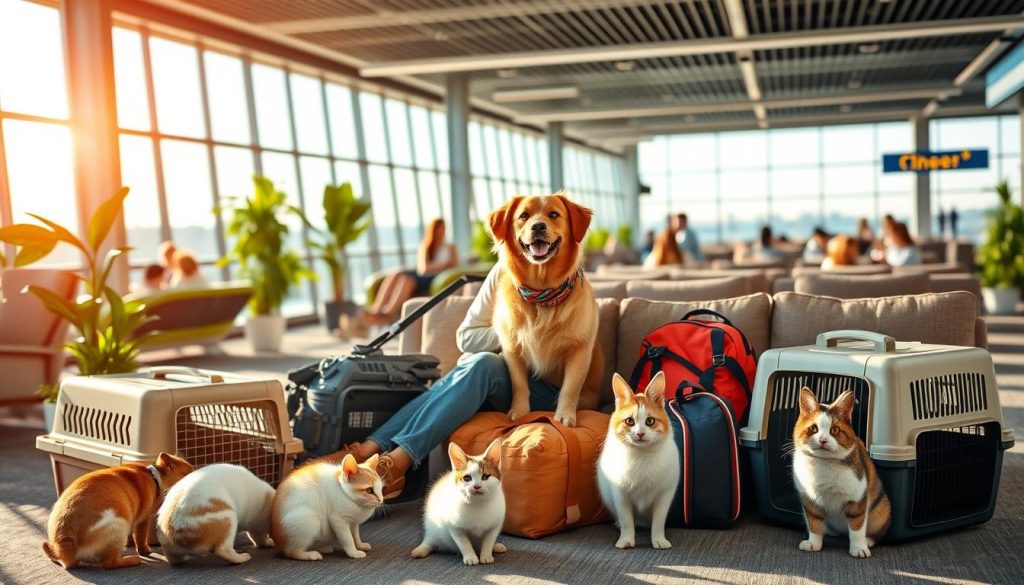
Once you arrive at the terminal, your focus should shift toward keeping your furry friend calm and comfortable. Having a clear strategy is essential for maintaining a peaceful environment for your animal throughout the busy airport experience. By following these tips for flying with pets, you can ensure that your transition from the terminal to the cabin remains manageable and calm.
Packing Essentials for Your Pet
Packing the right items in your carry-on bag is vital for a stress-free pet travel experience. You should always include a collapsible water bowl, a small bag of familiar treats, and a few waste bags for emergencies. It is also helpful to pack a small toy or a piece of clothing that smells like home to provide comfort.
- Collapsible silicone water bowl
- Small supply of familiar dry food
- Absorbent training pads
- Favorite small toy or blanket
Managing Pet Anxiety During the Flight
Many animals feel nervous in new environments, so managing anxiety is a top priority. You might consider using natural pheromone sprays or calming chews recommended by your veterinarian to help your pet relax. Keeping your own energy calm and steady will also help your pet feel more secure during the flight.
If your pet is particularly anxious, placing a light cover over the carrier can help reduce visual stimulation. This simple step often creates a cozy, den-like atmosphere that encourages rest. Always ensure there is enough ventilation if you choose to cover the carrier.
| Calming Method | Primary Benefit | Best Used For |
|---|---|---|
| Pheromone Spray | Reduces stress signals | Nervous travelers |
| Familiar Blanket | Provides comfort | General anxiety |
| Calming Chews | Promotes relaxation | Long-haul flights |
Hydration and Feeding During Travel
Managing hydration and feeding schedules is crucial to prevent discomfort while in the air. It is best to provide a light meal a few hours before your flight to avoid an upset stomach. Always offer small amounts of water during layovers or before boarding to keep your pet hydrated without causing a need for frequent bathroom breaks.
Remember that stress-free pet travel relies on your ability to monitor your pet’s needs closely. By staying proactive with these tips for flying with pets, you can ensure a much more pleasant journey for both you and your companion.
Arriving at Your Destination
Arriving at your destination marks a critical transition period for your traveling companion. While the flight is over, your pet likely feels disoriented by the change in environment and the long duration of pet travel. Providing a calm and structured arrival is essential for their well-being.
Settling In After the Flight
The first few hours after landing are vital for helping your pet decompress. Start by finding a quiet, private space where your animal can stretch their legs and relieve themselves away from the hustle of the airport. Consistency is key, so try to stick to your normal feeding and walking schedule as closely as possible.
Set up a familiar area immediately upon arrival to help them feel secure. Place their favorite blanket, a well-worn toy, or their travel crate in a corner of your room. These items carry familiar scents that provide comfort and reduce anxiety in a strange new place.
Local Pet-Friendly Accommodations
Choosing the right place to stay is a major component of successful pet travel. Before you book, verify the specific pet policies of your hotel or rental property. Some locations offer dedicated pet amenities, while others may have strict weight limits or breed restrictions.
Researching local options ensures that your accommodation meets your specific needs. Look for places that offer easy access to outdoor areas for exercise. The following table compares common lodging options to help you decide which fits your pet travel plans best.
| Accommodation Type | Pet Amenities | Space Availability | Cost Level |
|---|---|---|---|
| Pet-Friendly Hotel | Water bowls, treats | Limited | Moderate |
| Vacation Rental | Private yard, kitchen | High | Variable |
| Extended Stay Suite | Pet relief area | Moderate | Budget-Friendly |
Always confirm your reservation by calling the property directly to mention you are traveling with a pet. This proactive step prevents surprises and ensures your pet travel experience ends on a positive note.
Conclusion
Successful pet travel is entirely achievable when you prioritize careful planning and attention to detail. By following these steps, you minimize risks and create a positive experience for your animal companion.
Patience remains the most important tool for maintaining a calm environment during your journey. Every flight you take with your pet builds confidence for future trips together.
Check your airline requirements regularly as policies change often. Brands like Delta Air Lines or United Airlines update their rules to keep animals safe in the air.
Stay proactive about your pet travel needs to ensure smooth transitions from the airport to your final destination. Your dedication to comfort makes a world of difference for your furry friend.
We hope this guide empowers you to enjoy many more adventures together. Safe and informed pet travel opens up a world of possibilities for you and your loyal companion.