




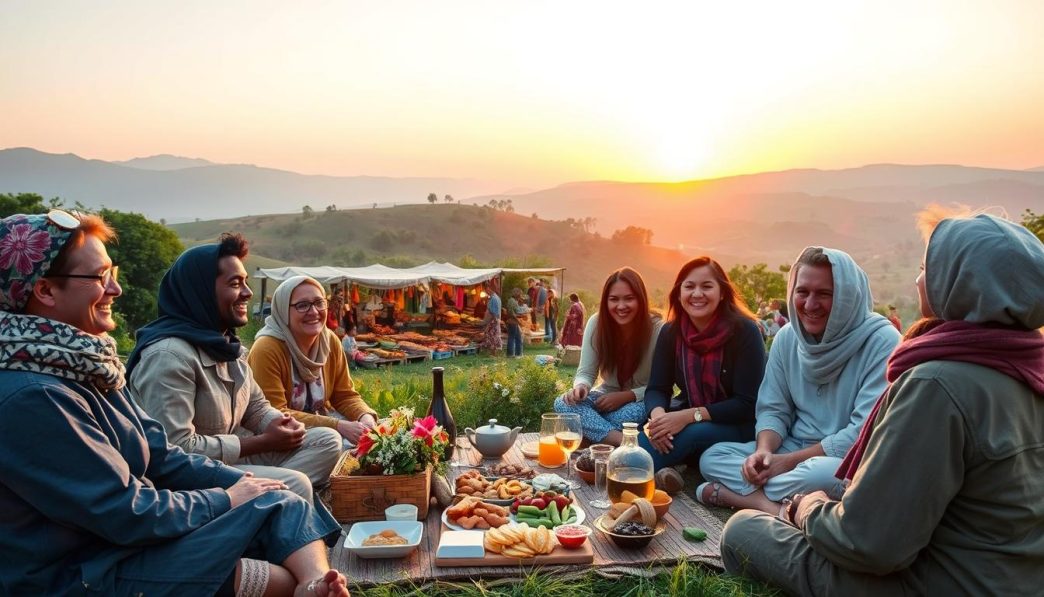
Have you ever returned from a vacation feeling more exhausted than when you left? Many of us fall into the trap of rushing between landmarks, trying to check every box on a list. Slow travel offers a refreshing alternative by prioritizing quality over quantity.
Adopting this new travel philosophy allows you to move at a pace that feels natural. Instead of racing to the next city, you take the time to connect with local culture and quiet surroundings. This intentional approach transforms how you view the world around you.
By focusing on the journey rather than just the destination, you cultivate a mindset of presence. You begin to notice the small details that make travel experiences truly memorable. When you slow down, you stop being a tourist and start becoming a participant in the life of a place.
Key Takeaways
- Slow movement emphasizes depth over a long list of sights.
- Intentionality helps you connect more deeply with local cultures.
- Quality moments matter more than checking off popular landmarks.
- A shift in mindset turns a simple trip into a meaningful life event.
- Presence allows you to appreciate the beauty of the journey itself.
Main Section 1: Understanding Slow Travel
If you have ever returned from a vacation feeling more exhausted than when you left, you might be ready for a change in perspective. Many people find that the standard approach to tourism leaves little room for genuine discovery. By shifting your focus, you can transform a simple trip into a meaningful experience that stays with you long after you return home.
What Is Slow Travel?
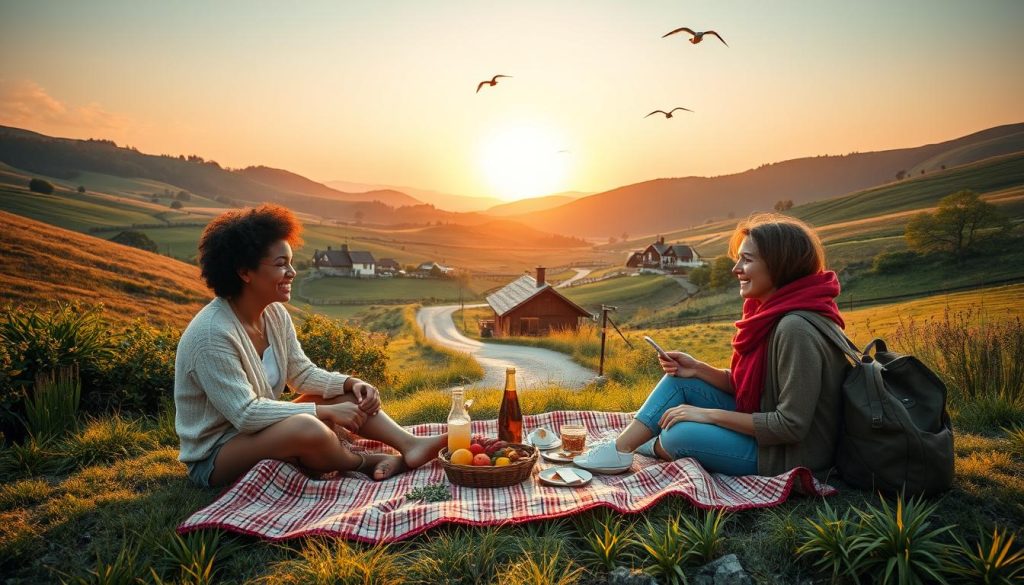
At its core, slow travel is a movement that encourages you to spend more time in fewer places. Instead of rushing between cities to snap photos at every landmark, you choose to settle into a single location. This travel philosophy allows you to peel back the layers of a destination that most tourists never see.
By staying longer, you move from being a spectator to becoming a temporary local. You gain the freedom to explore at your own pace, which is the true essence of mindful exploration.
The Principles of Slow Travel
The primary goal of this approach is to reduce the frantic pace of your itinerary to avoid burnout. When you stop trying to see everything, you create space for spontaneous moments and deeper connections. Prioritizing quality over quantity ensures that your journey remains restorative rather than draining.
Another key principle involves engaging with the environment with intention. Whether it is visiting a local market or sitting in a quiet park, you are encouraged to be fully present. This mindful exploration helps you appreciate the small details that make a place unique.
Slow vs. Traditional Travel
Understanding the difference between these two styles can help you plan your next adventure more effectively. While traditional travel focuses on efficiency and volume, the slow travel movement emphasizes depth and personal growth.
| Feature | Traditional Travel | Slow Travel |
|---|---|---|
| Itinerary Pace | Fast and packed | Relaxed and flexible |
| Primary Goal | Sightseeing volume | Authentic connection |
| Emotional Impact | Often leads to fatigue | Promotes rejuvenation |
Choosing this travel philosophy does not mean you see less of the world. It simply means you see it with more clarity and appreciation. By slowing down, you allow yourself the time to truly connect with the world around you.
Main Section 2: Planning Your Slow Travel Journey
Designing a meaningful travel experience requires moving away from checklists and toward intentional exploration. When you shift your focus, you stop viewing a map as a series of pins to collect. Instead, you begin to see the world as a collection of stories waiting to be discovered through slow travel.
Choosing Destinations for Slow Travel
The best destinations for this lifestyle are those that offer depth rather than just famous landmarks. Look for regions where you can peel back the layers of local history and daily life. Choosing a place with a slower rhythm allows you to engage with the environment on a much deeper level.
Avoid the temptation to visit cities known primarily for their crowded tourist attractions. Instead, seek out smaller towns or neighborhoods that provide authentic immersive experiences. These locations often hold the most charm and offer a genuine look at how people live.
Duration & Pace – How to Plan Your Itinerary
A rushed schedule is the enemy of discovery. When planning your itinerary, prioritize quality over quantity by spending more time in fewer locations. This approach ensures you have the freedom to follow your curiosity without the pressure of a ticking clock.
Leave large gaps in your daily schedule to allow for spontaneous moments. Whether it is a long conversation with a shopkeeper or a quiet afternoon in a local park, these unplanned events often become the highlight of your trip. Flexibility is the cornerstone of a successful journey.
Accommodations that Enhance Slow Travel
Where you stay defines your connection to the local culture. Opting for a hotel in a tourist district can keep you at a distance from the heart of a community. Instead, consider booking a local homestay or a long-term rental apartment.
These living spaces provide a grounded and comfortable base for your travels. Having a kitchen or a neighborhood grocery store nearby helps you feel like a resident rather than a visitor. By settling into a home, you create the perfect environment for truly meaningful and immersive experiences.
Main Section 3: Connecting with Local Culture
Mindful exploration transforms a simple vacation into a life-changing encounter with a new culture. By choosing to linger in one place, you move beyond the surface of a destination and begin to understand the rhythm of daily life. This approach allows you to form a genuine cultural connection that stays with you long after you return home.
Engaging with Local Communities
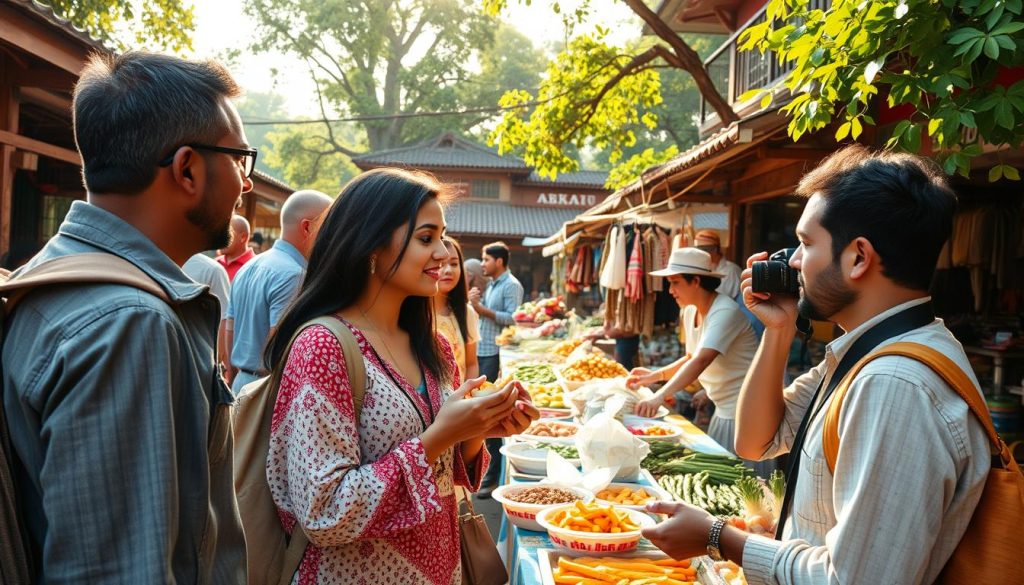
To truly experience a region, look for opportunities to participate in community-led events or neighborhood markets. These immersive experiences provide a window into the traditions that define a specific area. Instead of rushing to tourist hubs, spend your time in local parks or small cafes where residents gather.
Striking up a conversation with a shopkeeper or a fellow park-goer can lead to unexpected discoveries. You might learn about hidden trails or family-owned restaurants that never appear in guidebooks. Being open and curious is the key to building meaningful relationships during your travels.
Embracing Local Cuisine
Food serves as a powerful bridge to understanding the history and values of a region. When you prioritize local living, you choose to eat what the residents eat, often sourcing ingredients from nearby farms or street vendors. This practice supports the local economy while offering a deeper taste of the area’s heritage.
Take the time to learn how a traditional dish is prepared or why certain spices are favored in the region. Sharing a meal is a universal language that fosters warmth and mutual appreciation. It turns a basic necessity into a memorable highlight of your journey.
Learning the Language
You do not need to be fluent to make a positive impact on the people you meet. Learning even a few basic phrases shows that you respect the local culture and are willing to step outside your comfort zone. A simple “hello” or “thank you” in the native tongue can open doors and soften hearts.
These small efforts bridge communication gaps and demonstrate your commitment to being a respectful guest. When you show interest in the local language, you often find that people are more eager to share their stories with you. This simple act of kindness is a cornerstone of authentic travel.
Main Section 4: Sustainable Practices in Slow Travel
Sustainable tourism starts with the simple decision to stay longer and tread lighter. When you choose to linger in a single destination, you naturally reduce the carbon emissions typically generated by frequent flights or long-distance transit. This shift in pace allows for a deeper cultural connection that benefits both the traveler and the host environment.
Travel Responsibly and Consciously
Adopting a mindset of local living is the cornerstone of responsible exploration. Instead of rushing between tourist hotspots, take the time to walk through neighborhoods, use public transportation, and shop at community markets. These small, intentional actions minimize your environmental footprint while fostering genuine respect for the area.
Being a conscious traveler also means being mindful of your resource consumption. You can easily practice sustainability by:
- Refusing single-use plastics in favor of reusable bottles and bags.
- Conserving water and electricity in your rental or guesthouse.
- Respecting local customs and environmental regulations during your stay.
Contributing to Local Economies
One of the most effective ways to ensure your presence has a positive impact is by supporting small, independent businesses. When you dine at family-owned cafes or purchase crafts from local artisans, your money stays within the community. This direct financial support helps preserve the unique character of the region and promotes long-term economic health.
By prioritizing these interactions, you move beyond the role of a spectator and become a participant in the local economy. This approach creates a meaningful cultural connection that enriches your travel experience while providing tangible benefits to the people who call your destination home.
| Travel Aspect | Traditional Travel | Sustainable Slow Travel |
|---|---|---|
| Transportation | Frequent short-haul flights | Trains, buses, or walking |
| Spending | Large international chains | Local, independent businesses |
| Engagement | Surface-level sightseeing | Deep community immersion |
| Environmental Impact | High carbon footprint | Low carbon footprint |
Conclusion
Shifting your focus toward a slower pace changes how you view the world. You stop rushing between landmarks and start building genuine connections with the places you visit. This approach turns every trip into a meaningful chapter of your personal life story.
Adopting sustainable tourism remains a vital step for every modern traveler. It represents a necessary evolution in how we interact with our global neighbors. By choosing to stay longer and engage deeper, you protect the integrity of the destinations you love.
Brands like Intrepid Travel and G Adventures now lead the way in promoting these mindful habits. You hold the power to influence the future of exploration through your daily choices. Every intentional decision supports the health of our planet and the prosperity of local communities.
Embrace the beauty of the present moment on your next adventure. Share your favorite slow travel experiences with friends to inspire a shift in perspective. Your commitment to sustainable tourism creates a lasting impact that reaches far beyond your own journey.