





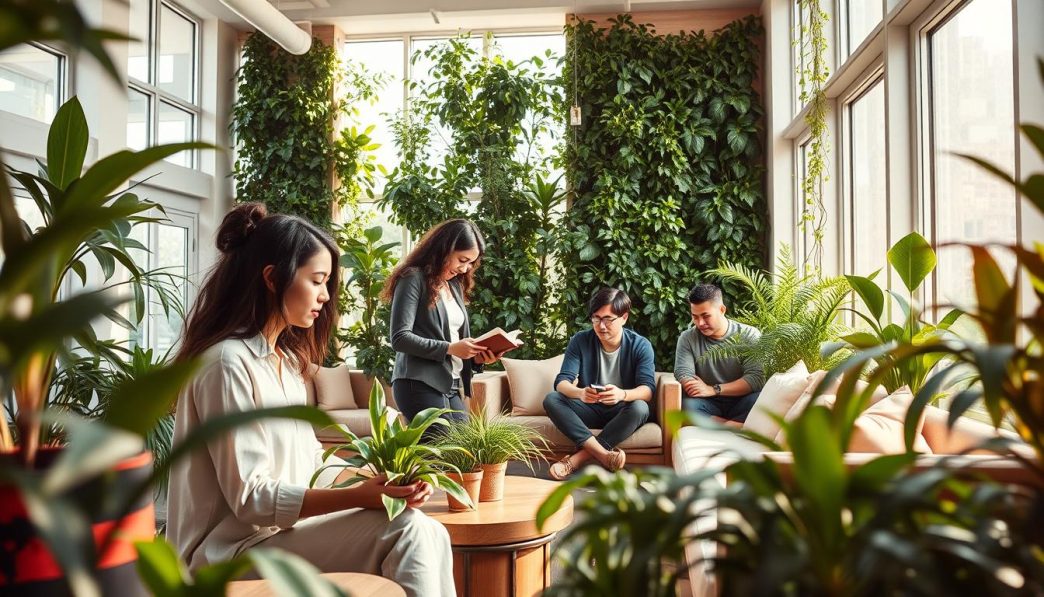
Have you ever noticed how a walk in the woods instantly clears your mind? Our modern lives often keep us trapped indoors, far from the restorative touch of the natural world. Wellness architecture seeks to change this by prioritizing human health through thoughtful, intentional space planning.
At the heart of this movement is biophilic design. This approach acts as a vital bridge, reconnecting our daily environments with the rhythms of nature. By bringing organic elements into our homes and offices, we can foster a deep sense of calm and improve our overall happiness.
Integrating biophilic design is no longer just a luxury; it is a necessity for thriving in today’s fast-paced world. Let’s explore how you can transform your living space into a sanctuary that supports both your body and your mind.
Key Takeaways
- Wellness-focused spaces prioritize human health and emotional balance.
- Biophilic design bridges the gap between built environments and nature.
- Natural light and organic textures significantly reduce daily stress levels.
- Thoughtful interior planning creates a sanctuary for mental clarity.
- Small changes in your home can lead to major improvements in your mood.
Main Section 1: The Concept of Biophilic Design
Our innate desire to be near nature shapes how we experience the buildings we inhabit every day. By integrating natural elements into our surroundings, we create environments that support our biological needs rather than working against them.
What is Biophilic Design?
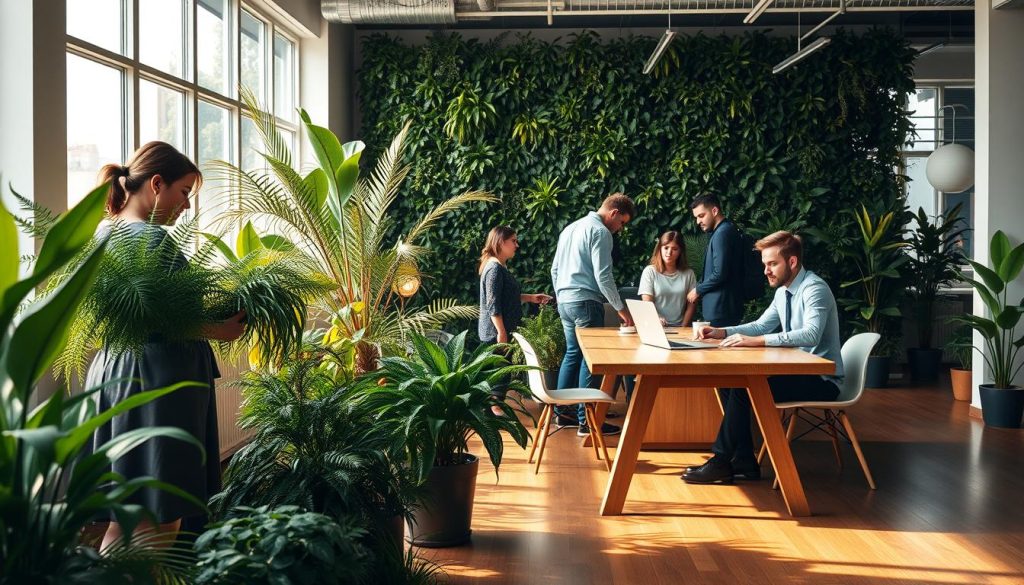
Biophilic design is a framework that seeks to connect building occupants more closely to nature. It goes beyond simply adding a few potted plants to a room. Instead, it focuses on incorporating natural light, organic shapes, and ventilation to foster a sense of harmony.
This approach recognizes that humans have evolved over millennia to thrive in natural settings. When we bring these elements indoors, we transform sterile structures into living sanctuaries that promote long-term indoor wellness.
The Psychology Behind Biophilia
The field of environmental psychology studies how our surroundings influence our behavior and mental state. Research shows that specific spatial arrangements can significantly lower cortisol levels and improve focus. By mimicking the patterns found in nature, architects can reduce the mental fatigue caused by modern, high-stress environments.
When a space feels natural, our brains enter a state of relaxed alertness. This shift is essential for maintaining cognitive function throughout a busy workday. Prioritizing health in design allows us to reclaim our mental clarity in an increasingly digital world.
Benefits of Biophilic Spaces
The primary goal of these spaces is to enhance emotional wellbeing for all occupants. People who spend time in nature-inspired rooms report feeling more creative and less anxious. These environments act as a buffer against the fast-paced demands of contemporary society.
The following table highlights the key differences between traditional office or home layouts and those utilizing biophilic principles:
| Feature | Traditional Design | Biophilic Design |
|---|---|---|
| Lighting | Artificial, static | Dynamic, natural light |
| Materials | Synthetic, plastic | Wood, stone, natural fibers |
| Impact | Neutral or stressful | Boosts emotional wellbeing |
| Focus | Efficiency only | Holistic indoor wellness |
By choosing to invest in these design strategies, we create a lasting foundation for better living. Every small change contributes to a healthier, more balanced lifestyle.
Main Section 2: Key Elements of Wellness Architecture
Wellness architecture transforms how we experience our daily surroundings by focusing on human needs. By prioritizing the connection between people and their environment, designers create spaces that foster health and happiness. These core components serve as the foundation for any project aiming to improve quality of life.
Natural Light and Space
Maximizing natural light is a cornerstone of effective design. Large windows and skylights invite the sun indoors, which helps regulate our internal body clocks and boosts mood. Open floor plans further enhance this effect by allowing light to travel freely throughout the home or office.
This sense of openness creates a feeling of freedom and clarity. When a room feels airy and bright, it reduces the feeling of being confined. This simple shift in layout can make a significant difference in how you feel throughout the day.
Use of Natural Materials
Incorporating natural elements is essential for grounding a space. Materials like warm wood, cool stone, and flowing water features bring the outdoors inside. These textures provide a sensory experience that synthetic materials simply cannot replicate.
Using these materials helps create a calming atmosphere that lowers stress levels. Whether it is a stone accent wall or a wooden floor, these choices connect us to the earth. This connection is vital for maintaining a balanced state of mind in busy environments.
Indoor Plants and Greenery
Sustainable living practices are easily integrated through the strategic placement of indoor plants. Greenery does more than just look beautiful; it actively improves the air quality in your home. Plants act as natural filters, removing toxins and releasing fresh oxygen into your living space.
Adding a variety of plants creates a vibrant and healthy ecosystem within your walls. This approach to sustainable living encourages a deeper appreciation for nature. By nurturing these living additions, you cultivate a space that supports both your physical health and your mental well-being.
Main Section 3: Designing for Wellness in Different Spaces
Whether you are at home, in the office, or visiting a public park, the design of your environment shapes your daily experience. Applying health in design allows us to create spaces that actively support our physical and mental needs. By tailoring these strategies to specific settings, we can transform ordinary rooms into restorative sanctuaries.
Homes
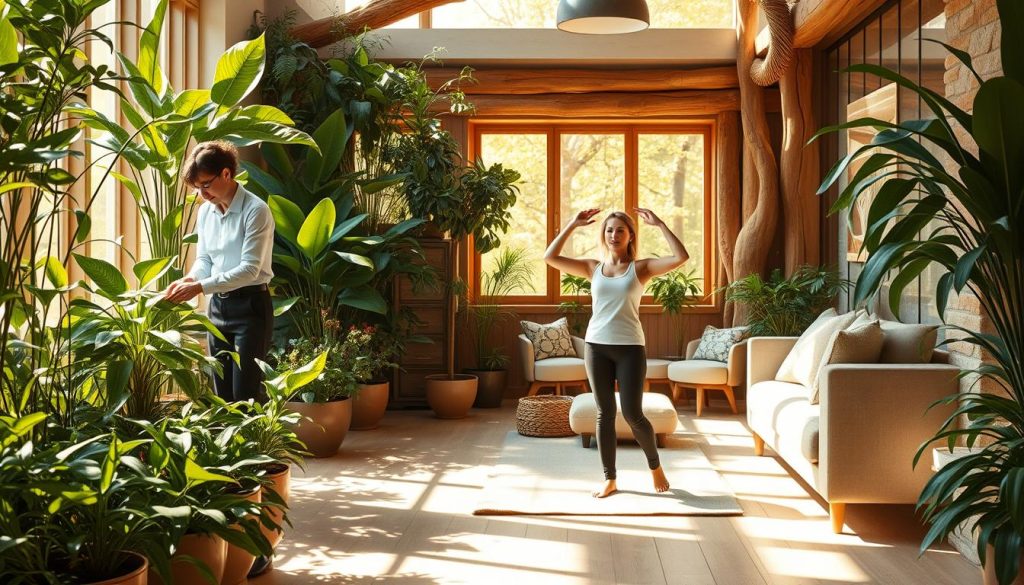
Your home should be a place of recovery and peace. To foster indoor wellness, focus on creating a bedroom environment that promotes deep, restorative sleep. Using blackout curtains, soft textures, and calming color palettes can help signal to your brain that it is time to rest.
Soft lighting and comfortable seating areas in living rooms encourage relaxation after a long day. By removing clutter and inviting natural light into your living space, you create a home that feels both open and secure.
Workspaces
Modern offices often contribute to stress, but intentional design can change that narrative. Incorporating elements like ergonomic furniture and air-purifying plants helps reduce burnout and keeps the mind sharp. Productivity thrives when employees feel comfortable and connected to their surroundings.
Designers are increasingly using natural textures to break up the monotony of traditional cubicles. This approach supports emotional wellbeing by reducing the feeling of being trapped in a sterile, artificial environment.
Public Spaces
Public areas serve as the heart of our communities. When these spaces prioritize indoor wellness, they encourage social interaction and provide a necessary escape from urban density. Parks and community centers that feature abundant greenery and accessible seating areas invite people to pause and connect.
Thoughtful health in design ensures that these shared environments remain inclusive and welcoming for everyone. By fostering a sense of belonging, these spaces significantly improve the emotional wellbeing of the entire community. When we design for people, we build a healthier future for all.
Main Section 4: Implementing Biophilic Design Principles
Transforming your living environment into a sanctuary does not require a massive renovation budget. You can begin your journey toward a more natural home today with just a few simple adjustments. By focusing on natural elements, you can create a space that feels both restorative and alive.
Simple Changes to Start With
One of the easiest ways to improve your space is to rearrange your furniture to maximize access to sunlight. Positioning your desk or favorite reading chair near a window allows you to connect with the changing light throughout the day. This simple shift in layout is a foundational step in biophilic design.
You should also consider introducing low-maintenance plants to your rooms. Species like snake plants or pothos are excellent for improving indoor air quality while adding a touch of greenery. These living accents help bridge the gap between your indoor life and the natural world outside.
Consulting with Professionals
For those looking to make larger investments, working with experts can provide significant long-term value. Professionals who specialize in environmental psychology understand how specific layouts and textures influence your mood and productivity. They can help you tailor your environment to meet your unique needs.
A qualified designer will look at your space through the lens of biophilic design to ensure every choice serves a purpose. They often suggest structural changes that maximize the flow of natural elements throughout your home or office. By leveraging the principles of environmental psychology, these experts turn ordinary rooms into high-performance wellness zones.
Ultimately, taking these steps allows you to reclaim your connection to nature. Whether you start with a single plant or hire a consultant, you are investing in your own long-term health and happiness.
Conclusion
Your living space acts as a foundation for your daily vitality. Integrating wellness architecture into your home or office creates a sanctuary that supports both mental clarity and physical health.
Small, intentional adjustments yield significant rewards for your long-term happiness. Choosing natural materials or adding greenery helps you build a more harmonious relationship with your surroundings. These choices reflect a commitment to sustainable living that benefits both you and the planet.
Brands like Interface and Steelcase lead the way in showing how thoughtful design improves our daily lives. You possess the power to shape your environment to better serve your needs. Start by evaluating one room in your home today.
Prioritize your well-being with every design decision you make. A nature-connected lifestyle remains within reach when you focus on the elements that truly matter. Embrace these principles to foster a space that nurtures your spirit for years to come.