

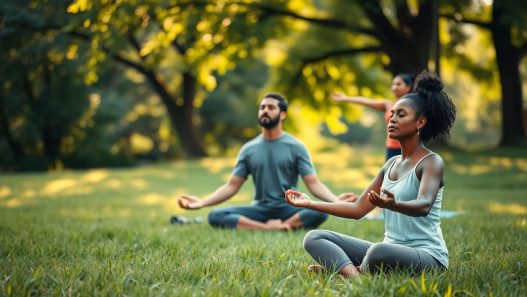




Have you ever felt that words simply aren’t enough to capture your emotions? Many people find that creative expression offers a unique path to understanding their inner world. By engaging in artistic activities, you can unlock new levels of emotional stability and personal growth.
This practice, often called art therapy, is rapidly becoming a standard in holistic health across the United States. It bridges the gap between psychology and visual arts, providing a safe space for self-discovery. Embracing wellness through creativity allows you to process complex feelings in a tangible way.
Whether you are a seasoned painter or someone who has never picked up a brush, the benefits remain profound. Modern art therapy serves as a vital tool for anyone seeking balance in a busy world. Let’s explore how these simple acts can lead to lasting life changes.
Key Takeaways
- Art serves as a powerful medium for processing complex emotions.
- Creative activities are now a recognized standard in American holistic health.
- You do not need artistic talent to experience the benefits of this practice.
- Engaging in art helps improve emotional stability and self-awareness.
- This approach provides a modern, accessible form of daily self-care.
Main Section 1: The Science Behind Art Therapy
Many people view art as a simple pastime, but science suggests it is a powerful tool for mental health. While casual hobbies offer relaxation, the clinical practice of art therapy involves a structured approach to healing. This distinction is vital for those seeking to understand how creative expression impacts the brain.
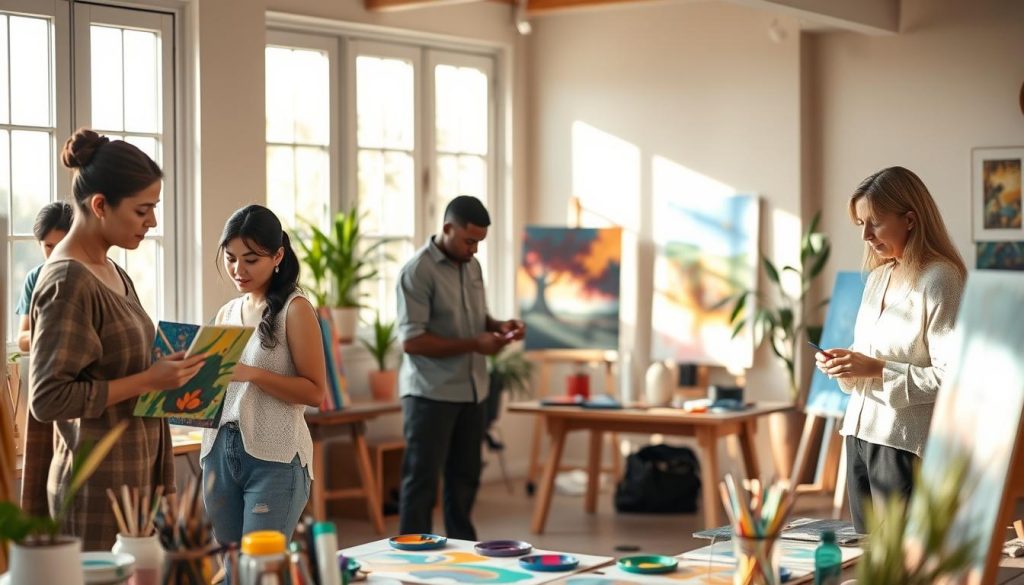
What is Art Therapy?
At its core, this practice is a professional service facilitated by trained clinicians. It uses the creative process to help individuals explore their feelings and reconcile emotional conflicts. Unlike a standard art class, the focus remains on the internal experience rather than the final aesthetic result.
Participants work with a therapist to identify patterns in their work. This guidance ensures that the therapeutic benefits are maximized in a safe environment. It is a collaborative journey that bridges the gap between non-verbal expression and conscious understanding.
Psychological Benefits of Art
The human brain processes visual information in unique ways that differ from verbal communication. When we engage in creative tasks, we often bypass the analytical parts of the brain that hold onto stress. This shift allows for a deeper release of tension and anxiety.
Research indicates that consistent creative engagement can lower cortisol levels significantly. By focusing on colors, shapes, and textures, the mind enters a state of “flow.” This state is essential for maintaining long-term mental health and emotional stability.
The Role of the Arts in Wellness
Professional guidance helps individuals navigate complex emotions that might otherwise feel overwhelming. By using art as a medium, people can externalize their struggles and view them from a new perspective. This process is a cornerstone of modern therapeutic benefits.
The following table highlights the key differences between casual creative hobbies and professional clinical sessions:
| Feature | Casual Hobby | Professional Art Therapy |
|---|---|---|
| Primary Goal | Entertainment | Emotional Healing |
| Guidance | Self-directed | Licensed Clinician |
| Focus | Final Product | Creative Process |
| Outcome | Skill Development | Mental Health Growth |
Integrating these practices into a wellness routine provides a scientific basis for personal growth. Whether through professional art therapy or personal reflection, the arts remain a powerful ally for the mind.
Main Section 2: Different Forms of Creative Expression
Creative expression takes many forms, each offering a unique path to understanding your inner world. By diversifying your toolkit, you can discover which medium best resonates with your personal needs. Sometimes, traditional verbal communication fails to capture the depth of our internal experiences, making these alternative outlets essential for self-expression.
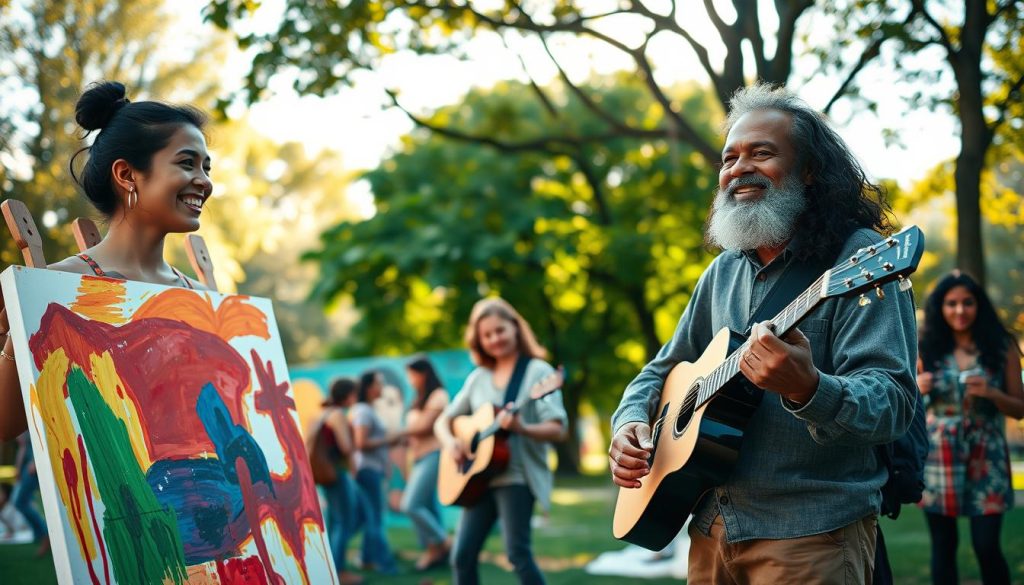
Painting and Drawing
The tactile nature of painting and drawing allows individuals to externalize feelings that are difficult to name. When you put brush to canvas or pencil to paper, you engage in a sensory experience that grounds you in the present moment. This form of creative expression is particularly effective for those who prefer visual communication over spoken language.
Writing and Journaling
Writing and journaling provide a reflective space to organize chaotic thoughts and emotions. By putting your experiences into words, you gain a new perspective on your life events. This practice serves as a private sanctuary where you can explore your identity without the fear of judgment or external pressure.
Performing Arts
The performing arts, such as dance or theater, offer a powerful kinetic release for pent-up energy. Moving your body or embodying a character allows you to process emotions through physical action rather than just thought. This dynamic approach helps many people break through emotional barriers that remain stuck in the mind.
| Medium | Primary Benefit | Best For |
|---|---|---|
| Visual Arts | Tactile grounding | Visual learners |
| Writing | Cognitive clarity | Reflective thinkers |
| Performing Arts | Kinetic release | Active individuals |
Main Section 3: Implementing Creative Practices in Daily Life
You do not need to be a professional artist to enjoy the profound benefits of daily creative practice. Integrating small habits into your schedule can significantly improve your mental clarity and overall mood. By prioritizing self-expression, you create a safe space to process your thoughts and feelings.
Finding Your Creative Outlet
The first step is identifying a medium that resonates with your personal interests. You might prefer the tactile nature of clay, the fluidity of watercolors, or the structured rhythm of creative writing. Experimentation is key to discovering what brings you the most joy.
Consider your current lifestyle when choosing your activity. If you have limited space, a digital sketchbook or a small journal might be the perfect fit. Focus on the process rather than the final result to ensure your practice remains a source of emotional healing.
Incorporating Art into Routine
Consistency is more important than the duration of your sessions. Even ten minutes of focused drawing or journaling can help you reset after a stressful day. Try to link your creative time to an existing habit, such as drinking your morning coffee or winding down before bed.
Use the following table to help you select an activity that fits your daily availability:
| Activity | Time Required | Primary Benefit |
|---|---|---|
| Daily Journaling | 5-10 Minutes | Mental Clarity |
| Sketching | 15-20 Minutes | Focus & Calm |
| Watercolor Painting | 30+ Minutes | Stress Relief |
| Community Workshop | 1-2 Hours | Social Connection |
Community Art Programs
Joining a local group can transform your solitary practice into a shared experience. Many community centers offer workshops that provide both structure and social support. Engaging with others allows you to share your journey and gain new perspectives on self-expression.
These groups often foster a sense of belonging that is essential for long-term emotional healing. Whether you attend a weekly pottery class or a monthly poetry reading, the social connection adds a layer of depth to your creative life. Connecting with others who value creativity can inspire you to stay committed to your personal growth.
Main Section 4: Overcoming Challenges in Creative Expression
Embarking on a new creative journey often brings unexpected hurdles that can stall your progress. While the path to self-discovery is rewarding, it is common to face moments where your inspiration feels blocked. Understanding how to navigate these barriers is essential for maintaining your mental health and keeping your passion alive.
Addressing Creative Blocks
When you feel stuck, the best approach is to shift your focus away from the final result. Many people struggle because they worry too much about whether their work is “good” enough. Instead, try to embrace the process of creation itself.
- Set small, manageable goals for each session.
- Experiment with new mediums to break the monotony.
- Allow yourself the freedom to make mistakes without judgment.
Seeking Guidance
Sometimes, a creative block requires an outside perspective to resolve. Reaching out to a mentor or a professional art therapist can provide the clarity you need to move forward. These individuals offer valuable tools to help you unlock your potential.
Do not hesitate to ask for help when you feel overwhelmed. Seeking guidance is a sign of strength, not a weakness. A mentor can help you identify patterns that might be hindering your creative expression and suggest new techniques to reignite your spark.
Building a Supportive Environment
Your surroundings play a massive role in your ability to create consistently. Creating a dedicated space at home can signal to your brain that it is time to focus. Furthermore, surrounding yourself with a community that values your growth will significantly boost your mental health.
“Creativity is a wild mind and a disciplined eye.”
Whether you join a local art group or simply share your work with supportive friends, social connection is vital. A positive environment reduces stress and encourages you to continue your journey of creative expression even when things get difficult.
Conclusion
Art serves as a vital bridge between your inner thoughts and the world around you. By prioritizing wellness through creativity, you gain a powerful tool to manage stress and improve your daily outlook.
Consistent engagement with artistic projects provides lasting therapeutic benefits for your mind and spirit. These practices create a safe space for self-reflection and personal growth. You will find that even simple sketches or journal entries help clear mental clutter.
Focusing on the process rather than the final result fosters deep emotional healing. This journey allows you to process complex feelings in a healthy and productive way. Brands like Moleskine or Winsor & Newton offer excellent supplies to help you begin this rewarding habit.
Start your own creative practice today to experience these positive changes firsthand. Every small effort builds a more vibrant and fulfilling life. Your path toward better mental health starts with a single brushstroke or a few written words.