

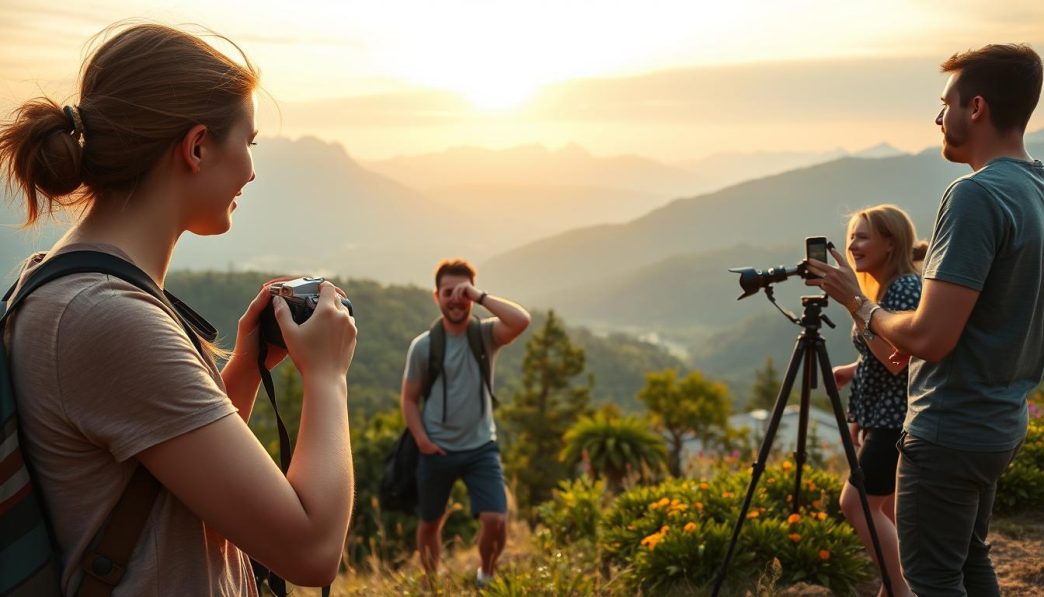
Have you ever returned from a trip only to find your vivid experiences beginning to blur? Capturing images is more than just a hobby; it is a powerful way to anchor your experiences in time. By focusing on the details, you turn fleeting moments into permanent travel memories that you can revisit whenever you wish.
Engaging in Travel Photography forces you to slow down and truly observe your surroundings. This mindful approach helps you find beauty in the small, everyday scenes that others might overlook. It shifts your perspective, turning a simple walk into an artistic exploration.
Furthermore, your own portfolio acts as a constant source of travel inspiration for future adventures. When you look back at your work, you are reminded of the joy and discovery that define your best journeys. This process encourages you to keep exploring and seeking out new horizons with a fresh, creative eye.
Key Takeaways
- Documenting your adventures helps preserve experiences that might otherwise fade.
- Using a camera encourages you to notice beauty in everyday surroundings.
- Your personal collection serves as a powerful spark for future exploration.
- Mindful observation deepens your connection to the places you visit.
- Visual storytelling allows you to share your unique perspective with others.
Main Section 1: The Art of Travel Photography
Mastering the art of travel photography allows you to preserve the fleeting magic of your adventures forever. It is not merely about owning expensive equipment, but about developing a keen eye for the world around you. By focusing on intentionality, you can transform simple vacation snapshots into breathtaking works of art.
Understanding Composition
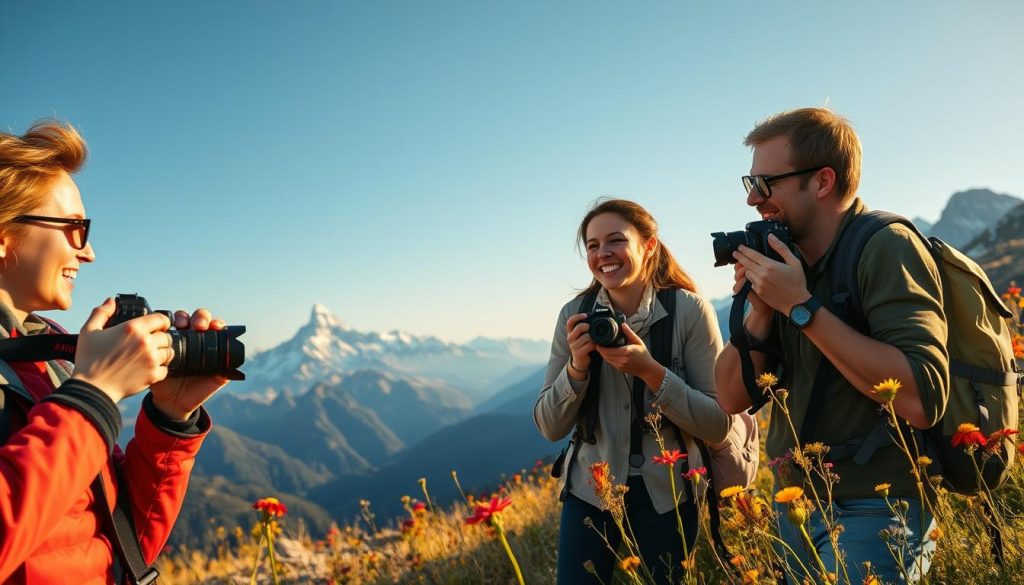
Composition serves as the backbone of every great image. You should start by applying the rule of thirds, which involves placing your subject off-center to create a more balanced and engaging frame. This simple technique draws the viewer’s eye naturally across the scene.
Do not forget to look for leading lines, such as winding roads or architectural edges, that guide the gaze toward your focal point. These elements add depth and dimension to your photographs, making them feel more immersive. Experimenting with different angles, like shooting from a low crouch, can also provide a fresh perspective on familiar landmarks.
Harnessing Natural Light
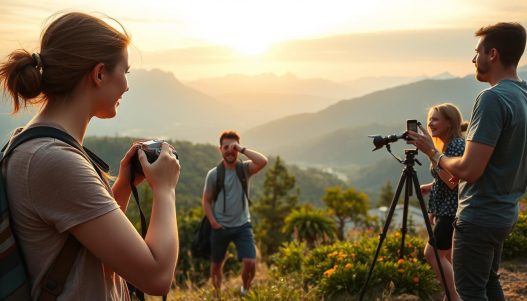
One of the most effective travel photography tips involves mastering the use of natural light. The soft, warm glow of the golden hour—shortly after sunrise or before sunset—provides the most flattering illumination for landscapes and portraits alike. During this time, the light is diffused and creates long, dramatic shadows that add texture to your shots.
Conversely, avoid shooting at high noon when the sun is directly overhead, as it creates harsh, unflattering contrast. If you find yourself out during the middle of the day, seek out open shade to maintain soft, even lighting on your subjects. Learning to read the light will drastically improve the quality of your images in any environment.
Creating Visual Stories
The true power of your portfolio lies in storytelling through photos. Instead of just documenting a location, try to capture the emotions and daily life of the people you encounter. A candid shot of a local artisan at work often tells a more compelling story than a wide-angle view of a crowded plaza.
Focus on capturing moments that define the essence of your destination, such as a quiet morning coffee or the vibrant energy of a street market. By weaving these small details together, you create a cohesive narrative that resonates with your audience. Remember that every frame should contribute to the larger story of your journey.
Main Section 2: Essential Gear for Travel Photography
Your choice of equipment significantly impacts how you document your adventures. Finding the right balance between high-end performance and portability is the secret to successful travel photography. When you carry gear that feels like a burden, you are less likely to pull it out to document the world around you.
Choosing the Right Camera
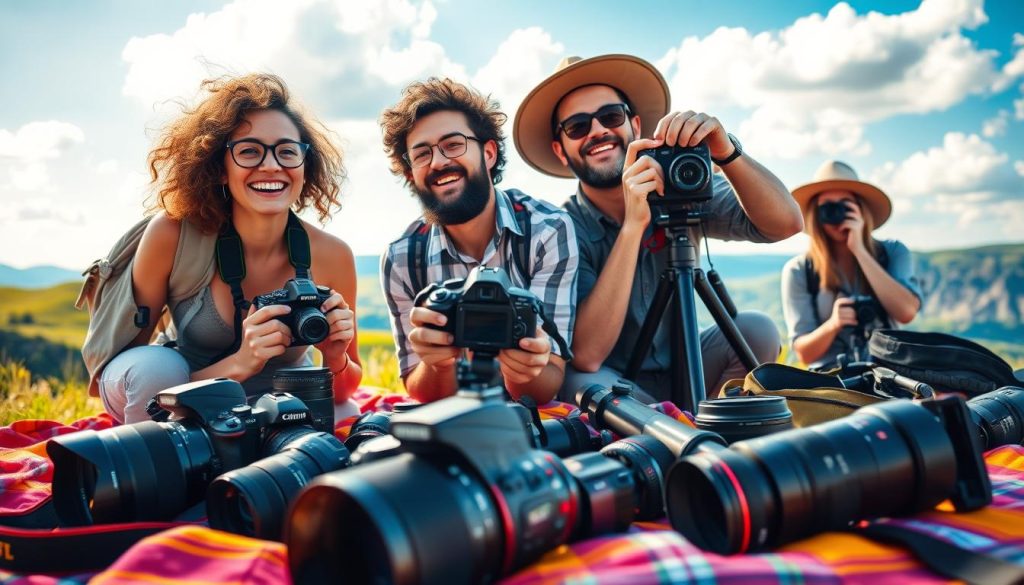
Modern mirrorless cameras have become the gold standard for travelers. These bodies offer professional image quality while remaining compact enough for long days of walking. Weight reduction is a major advantage, allowing you to move freely through crowded streets or rugged trails.
When selecting your body, consider weather sealing if you plan to visit diverse climates. A camera that can withstand light rain or dust will protect your investment during intense capturing moments. Always prioritize a sensor size that meets your output needs without adding unnecessary bulk to your bag.
| Camera Type | Portability | Image Quality | Best For |
|---|---|---|---|
| Mirrorless | High | Excellent | Street & Landscape |
| DSLR | Low | Excellent | Wildlife & Sports |
| Compact/Point-and-Shoot | Very High | Good | Casual Travel |
Must-Have Accessories
Beyond the camera body, specific accessories are vital for effective photography techniques. A lightweight carbon fiber tripod is a game-changer for long-exposure shots at sunset. You should also carry at least two extra batteries, as cold weather or heavy use can drain power quickly.
Never underestimate the importance of high-speed memory cards. Having reliable storage ensures you never miss a shot while waiting for a slow buffer. These travel photography tips emphasize that having the right support gear is just as important as the camera itself.
Packing Tips for Photographers
Efficient packing is an art form for those who want to keep their gear safe and accessible. Use a dedicated camera bag with padded inserts to prevent damage during transit. Organization is key; keep your lenses and cleaning kits in the same spot so you can find them in a hurry.
Always keep your most valuable equipment in your carry-on luggage. This simple habit prevents loss and ensures your gear stays with you at all times. By mastering these photography techniques for organization, you will be ready to focus on capturing moments and refining your travel photography style on every trip.
Main Section 3: Techniques to Elevate Your Travel Photography
To truly capture the essence of a destination, you must look beyond the surface and refine your creative process. Improving your photography techniques allows you to move past basic snapshots and create images that tell a deeper story. By focusing on intentionality, you can transform how you document your adventures around the world.
Embracing Cultural Diversity
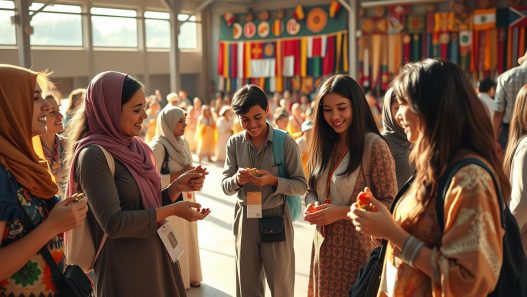
True cultural immersion begins with respect and genuine curiosity. When you approach locals, always ask for permission before taking a portrait to ensure your presence remains positive and unobtrusive.
Focus on the small, authentic details that define a community rather than just the famous landmarks. This approach to Travel Photography helps you build a narrative that honors the people and traditions you encounter during your journey.
Experimenting with Different Styles
Adopting mindful photography is a game-changer for any traveler. Instead of rushing to capture every scene, take a moment to breathe and observe the light, the movement, and the mood of your surroundings.
Try switching between wide-angle shots that capture the scale of a landscape and macro lenses that highlight intricate textures. This experimentation keeps your portfolio fresh and ensures your Travel Photography reflects a diverse range of artistic perspectives.
Post-Processing Techniques
The final step in your creative workflow involves bringing out the best in your raw files. Using software like Adobe Lightroom or Capture One allows you to adjust exposure and contrast to match the memory of the moment.
Focus on subtle color grading to enhance the natural atmosphere of your images without making them look artificial. Remember that mindful photography is about enhancing reality, not replacing it. With these refined photography techniques, your Travel Photography will stand out as a testament to your unique vision and deep cultural immersion.
Main Section 4: Sharing Your Travel Photography
Your images deserve to be seen by a community that values your unique perspective. Once you have captured your shots, the next step involves presenting them to an audience that appreciates the effort behind every frame. Sharing your work effectively allows you to connect with others and build a lasting legacy of your adventures.
Building an Online Portfolio
A professional website acts as the digital home for your Travel Photography. Platforms like Adobe Portfolio or Squarespace make it easy to curate a clean, distraction-free gallery. You should focus on quality over quantity by selecting only your most impactful images.
Organize your work into logical categories, such as landscapes, street scenes, or portraits. This structure helps visitors navigate your site and understand your specific style. Remember that your portfolio is a living document that should evolve as your skills grow.
Social Media Strategies
Social media platforms offer a powerful way to reach fellow enthusiasts and find daily travel inspiration. Consistency is key when building an audience, so try to post on a regular schedule. Engaging with other creators by leaving thoughtful comments can help you grow your network organically.
Use relevant hashtags to increase the visibility of your posts to a wider audience. By sharing your process, you invite followers into your world and build a deeper connection with them. This approach turns your feed into a hub for meaningful interaction and discovery.
Crafting Compelling Captions and Stories
Great storytelling through photos requires more than just a beautiful image. A well-written caption provides the context that transforms a single shot into a narrative experience. Share the story behind the location, the challenges you faced, or the emotions you felt while taking the picture.
When you focus on storytelling through photos, you provide your followers with a reason to pause and reflect. Use your captions to offer tips or share travel inspiration that encourages others to explore the world. By adding a personal touch, you ensure that your Travel Photography resonates on a deeper, more human level.
Conclusion
Your camera acts as a bridge between the fleeting moments of a trip and the lasting legacy of your experiences. Travel Photography offers a unique way to document the beauty of our planet while deepening your connection to the places you visit.
Practicing mindful photography ensures you remain fully present during your adventures. You gain the ability to see details that others might miss while you frame your shots. This approach transforms a simple vacation into a profound exploration of culture and light.
These techniques help you preserve your travel memories so they remain vivid for years to come. Whether you use a Sony Alpha or a simple smartphone, the goal remains the same. You create a personal archive of the world that reflects your unique perspective.
Keep exploring the globe with your camera in hand. Every new destination offers a fresh canvas for your creative vision. Your next great shot waits just around the corner.