
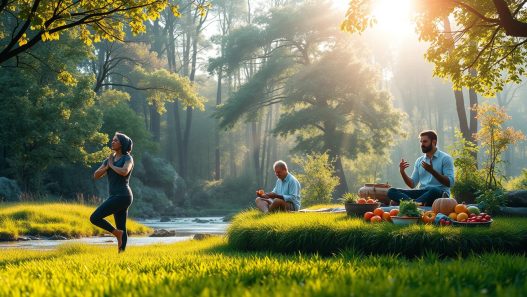



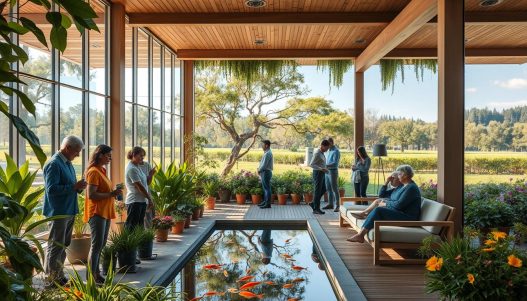
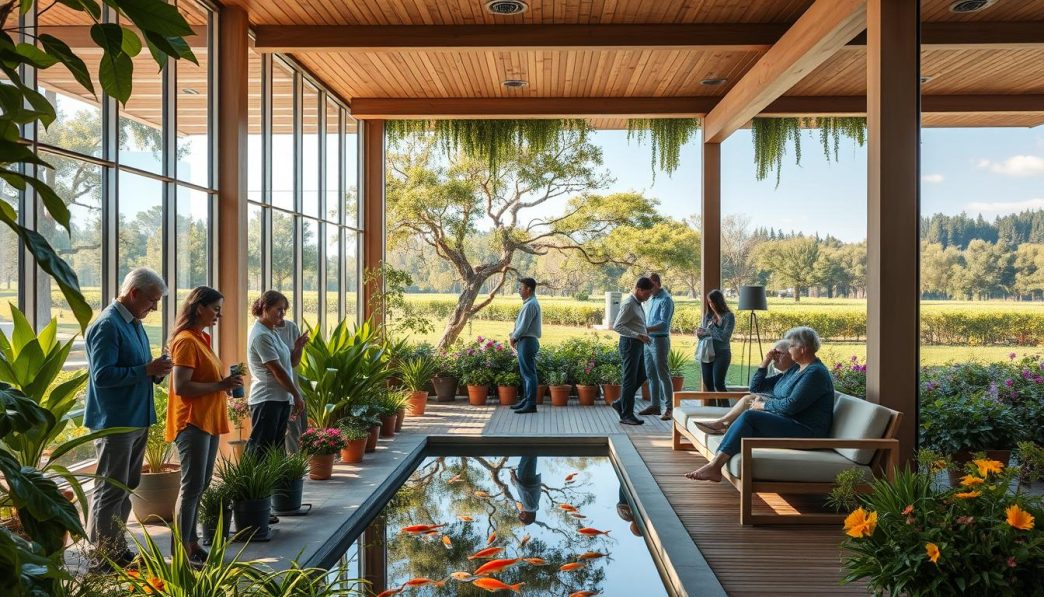
Have you ever noticed how a walk through a quiet park instantly lowers your stress? Modern architecture is finally catching up to this feeling. In the United States, designers are embracing biophilic design to bridge the gap between our indoor spaces and the natural world.
This approach is more than just adding a few houseplants to a room. It is a fundamental shift in how we build our homes and offices to support human well-being. By integrating natural light, organic textures, and greenery, we create environments that actively promote health.
These intentional design choices are becoming a cornerstone for longevity. As we spend more time indoors, our surroundings play a massive role in our daily health. Exploring this connection offers a promising path toward lifespan enhancement for everyone, turning our living spaces into sanctuaries that help us thrive for years to come.
Key Takeaways
- Biophilic design integrates nature into modern architecture to improve health.
- Natural light and organic elements significantly boost daily well-being.
- Intentional design choices can serve as a foundation for long-term health.
- Modern living spaces are evolving to prioritize human connection with nature.
- Creating nature-based environments is a key strategy for lifespan enhancement.
Main Section 1: Understanding Biophilic Design
Biophilic design represents a bridge between our built environments and the natural systems that sustain us. By integrating organic elements into our daily surroundings, we create spaces that support both physical and mental vitality. This approach moves beyond simple decoration to foster a deeper connection with the living world.
Defining Biophilic Design
At its core, this design philosophy focuses on incorporating natural light, vegetation, and natural materials into human-made structures. It seeks to satisfy our innate biological need to be near nature, even when we are indoors. When we prioritize these elements, we improve our overall health and wellness in a measurable way.
Historical Context
For most of human history, our ancestors lived in direct contact with the environment. As urbanization accelerated, we became increasingly isolated from the natural world, leading to a rise in stress-related conditions. Architects and designers have recently shifted their focus, moving away from purely aesthetic choices to prioritize human-centric environments that mimic natural patterns.
The Psychological Benefits
The field of environmental psychology provides compelling evidence for why these spaces matter so much. Research shows that our brains are hardwired to respond positively to natural textures, fractals, and greenery. By applying the principles of environmental psychology, we can design offices and homes that actively reduce anxiety and boost mood.
Ultimately, embracing this design style is not just a trend but a necessary evolution for modern living. It transforms our living spaces into sanctuaries that promote long-term health and wellness. By intentionally bringing the outdoors in, we cultivate a lifestyle that honors our biological heritage.
Main Section 2: The Connection Between Nature and Lifespan
Modern research reveals that living in harmony with nature can significantly extend our years of vitality. By examining the intersection of biology and our surroundings, we find that lifespan enhancement is closely tied to how we interact with the outdoors. This field of study, known as environmental psychology, provides a clear roadmap for healthier living.
Evidence from Research
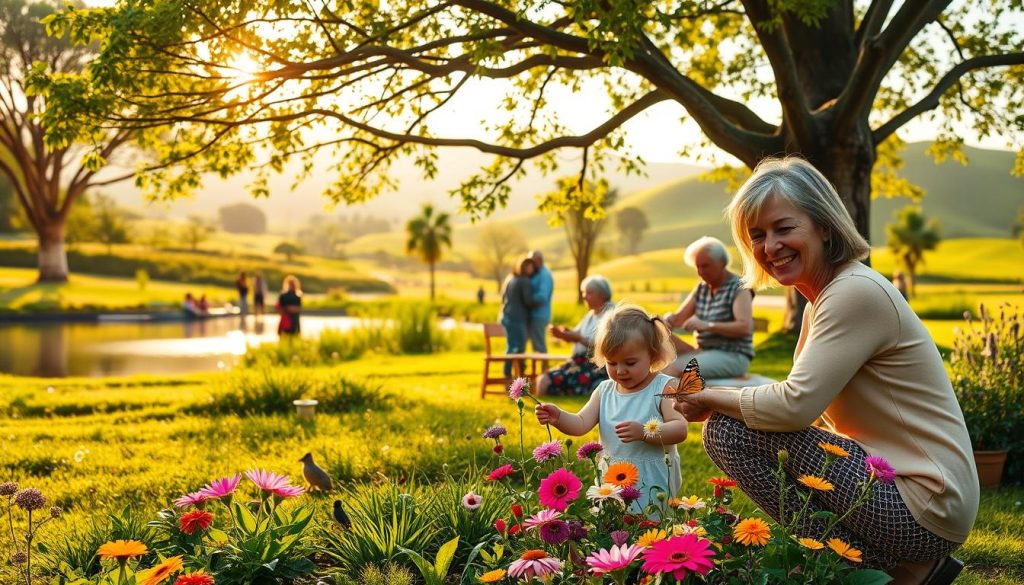
Scientific data consistently demonstrates that exposure to green spaces leads to measurable improvements in physical health. Studies indicate that individuals living near parks or forests often experience lower rates of chronic illness. This nature integration serves as a foundational pillar for long-term wellness and disease prevention.
Nature as a Stress Reliever
High stress levels are a primary driver of premature aging in our fast-paced society. Nature acts as a powerful buffer, helping to lower cortisol levels and restore internal balance. When we spend time in natural settings, our bodies shift from a state of high alert to one of deep restoration.
This physiological shift is essential for maintaining a healthy heart and immune system. By reducing the daily burden of stress, we create the necessary conditions for lifespan enhancement to occur naturally. It is a simple yet profound way to protect our long-term health.
Enhancing Cognitive Function
Mental acuity is a vital component of aging gracefully, and our environment plays a crucial role in supporting brain health. Research suggests that environmental psychology principles can help sharpen focus and improve memory retention. Regular exposure to natural patterns and light helps keep the mind alert and resilient.
Incorporating nature integration into our living spaces encourages a state of calm concentration. This practice supports cognitive longevity, ensuring that our minds remain sharp as we grow older. Embracing these natural connections is a transformative step toward a longer, more vibrant life.
Main Section 3: Implementing Biophilic Design in Daily Life
Modern living often feels disconnected from nature, but simple changes can bridge that gap. By prioritizing biophilic design, you can transform your surroundings into a restorative sanctuary. These adjustments support your health and wellness while making your environment feel more alive and vibrant.
Home Modifications
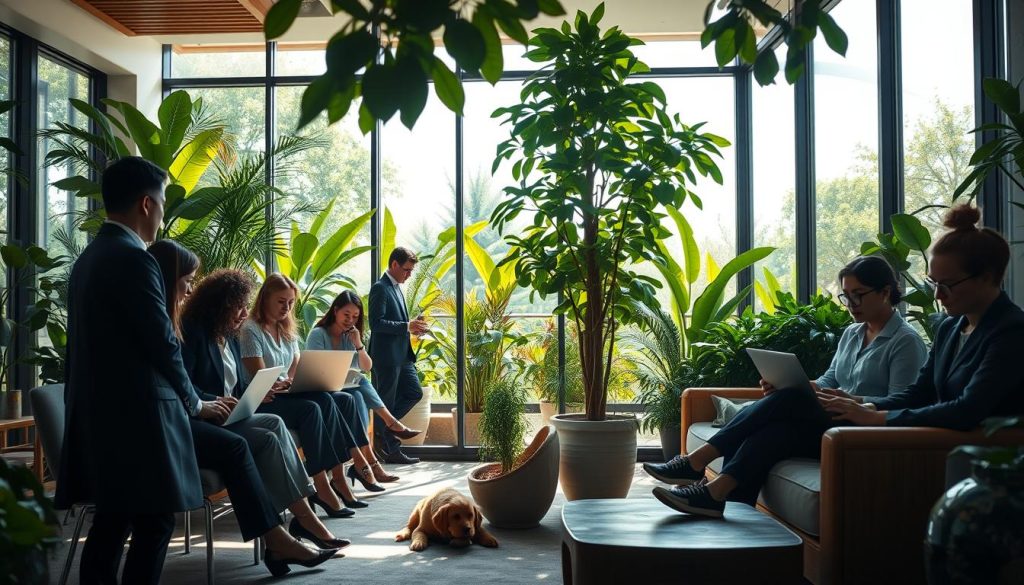
Your home should be a place where you recharge. You can start by maximizing natural light, which helps regulate your sleep cycles and mood. Adding indoor plants is another effective way to improve air quality and create a calming atmosphere.
Consider these simple upgrades to your living space:
- Use natural materials like wood, stone, or bamboo for furniture.
- Place seating near windows to maintain a connection with the outdoors.
- Incorporate water features, such as a small fountain, to introduce soothing sounds.
Workspaces Designed for Wellness
Many people spend the majority of their day in an office, making it a critical area for improvement. A workspace that embraces biophilic design can significantly reduce stress and boost productivity. Small changes often lead to big results in your daily focus.
Employers and individuals can foster a better environment by focusing on these elements:
- Adding desk plants to improve air quality and visual appeal.
- Using ergonomic furniture that mimics natural shapes and textures.
- Ensuring access to views of nature or greenery from your workstation.
Community and Urban Planning
The impact of nature extends far beyond our front doors. Forward-thinking urban living initiatives are now prioritizing green corridors and public parks to benefit entire neighborhoods. These spaces provide essential areas for social interaction and physical activity.
City planners are increasingly recognizing that health and wellness depend on access to nature. By integrating trees, rooftop gardens, and pedestrian-friendly paths, cities become more resilient and enjoyable. This shift toward greener urban living ensures that everyone has the opportunity to thrive in a balanced environment.
Main Section 4: The Future of Biophilic Design and Longevity
Architects are now looking toward a horizon where buildings breathe and grow alongside their inhabitants. This shift represents a fundamental change in how we perceive our living spaces in dense urban environments. By prioritizing nature integration, designers are crafting structures that do more than just house people; they actively improve the quality of life.
Innovations in Architecture
Modern architecture is moving beyond simple aesthetics to embrace functional, living systems. We are seeing a rise in vertical forests and modular green walls that turn high-rise apartments into thriving ecosystems. These designs help to filter the air and provide a cooling effect that reduces energy consumption.
The focus is on creating sustainable environments that foster long-term health. Architects are utilizing these methods to ensure that residents remain connected to the earth, even in the heart of a bustling city. Key architectural trends include:
- Living facades that adapt to seasonal changes.
- Rooftop gardens designed for community interaction and food production.
- Internal courtyards that maximize natural light and ventilation.
The Role of Technology
Advanced technology acts as the bridge between complex urban needs and the desire for a natural lifestyle. Smart glass is a prime example, as it automatically adjusts its tint to optimize natural light while maintaining a comfortable indoor temperature. This innovation allows for seamless nature integration without the typical maintenance challenges of traditional greenhouses.
Automated climate control systems now work in tandem with indoor plant life to regulate humidity and air quality. These systems ensure that the environment remains stable, which is essential for supporting longevity in a fast-paced world. By leveraging these smart tools, we can create homes that actively contribute to our physical and mental well-being for years to come.
Conclusion
Transforming our surroundings is the first step toward a longer, healthier life. Architects and designers now recognize that our physical environment dictates our biological health. By integrating natural elements into our homes, we create spaces that support our long-term vitality.
The challenges of modern urban living often distance us from the natural world. We can bridge this gap by choosing materials and layouts that mimic organic patterns. These small adjustments provide a significant boost to our daily well-being.
Companies like Amazon and Google already incorporate these principles into their corporate campuses to foster productivity. You can apply these same concepts to your own apartment or house. Adding plants, maximizing natural light, and using wood textures helps ground your daily experience.
Prioritizing these connections creates a future where our buildings actively sustain us. Start your journey today by bringing a piece of the outdoors inside. Your commitment to a nature-focused lifestyle will pay dividends for your health and overall well-being in the years ahead.
## FAQ
### Q: What exactly is biophilic design and how does it relate to health and wellness?
A: Biophilic design is a strategic approach in architecture and interior design that focuses on connecting human beings with the natural world. Instead of seeing nature as an ornament, this practice integrates elements like natural light, organic textures, and indoor greenery into our primary living and working spaces. According to the International WELL Building Institute, these features are essential for supporting health and wellness, as they align our built environment with our innate biological needs, leading to reduced stress and improved mood.
### Q: How does nature integration contribute to lifespan enhancement?
A: The connection between nature integration and longevity is rooted in how our bodies respond to natural stimuli. Scientific studies have shown that regular exposure to nature—even through views from a window—can significantly lower cortisol levels, the hormone responsible for stress. By reducing chronic physiological stress and improving cardiovascular health, biophilic environments act as a catalyst for lifespan enhancement, helping individuals maintain their vitality as they age.
### Q: What does environmental psychology tell us about our need for natural surroundings?
A: Environmental psychology suggests that humans possess an evolutionary preference for natural settings, often referred to as the “biophilia hypothesis.” When we are isolated from nature in sterile, artificial environments, our cognitive performance and emotional well-being often decline. By introducing natural patterns and materials, we satisfy a deep-seated psychological requirement that fosters mental clarity, creativity, and a sense of safety within our homes and offices.
### Q: Can biophilic design improve the quality of urban living in crowded cities?
A: Yes, it is a game-changer for urban living. In densely populated cities like Seattle or New York, architects are increasingly using “living walls” and rooftop gardens to bring nature back to the concrete jungle. Companies like Amazon have led the way with projects like The Spheres, demonstrating how green spaces within a city can provide a much-needed sanctuary, filtering urban air and providing a cognitive “reset” for residents and workers alike.
### Q: What are some practical ways to implement these design principles at home?
A: You can start small to see significant benefits for your well-being. Prioritize natural light by removing heavy drapes, and introduce indoor plants from brands like The Sill to improve air quality. Using natural materials such as sustainably sourced wood or stone can also create a more grounded atmosphere. These simple home modifications create a restorative environment that actively supports your long-term health goals.
### Q: What role will technology play in the future of biophilic architecture?
A: Technology is actually making it easier to bring the outdoors in. Innovations such as View Smart Windows, which use artificial intelligence to tint glass based on the sun’s position, allow for maximum views of the outdoors without the glare. Additionally, automated hydroponic systems allow for lush indoor gardens in any climate. These advancements ensure that the future of architecture is not just about shelter, but about creating an ecosystem that promotes longevity through seamless nature integration.