




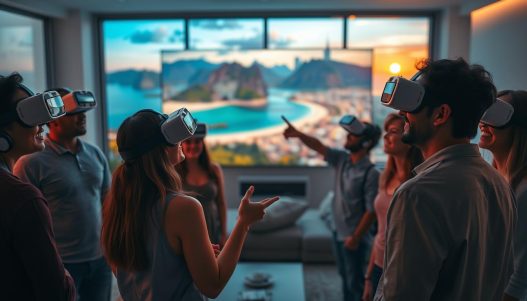
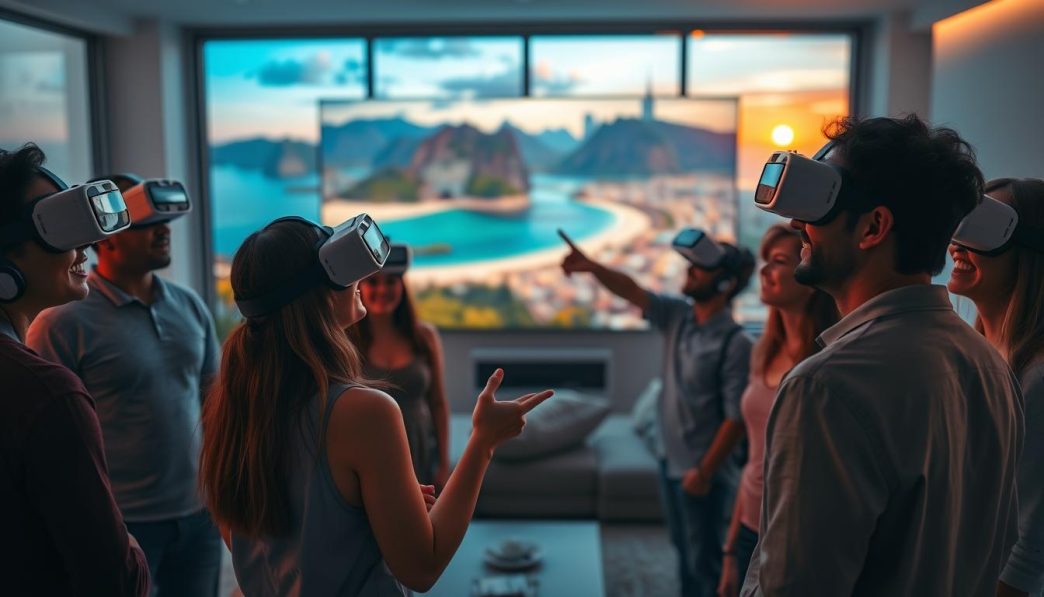
Imagine waking up in your living room and deciding to visit the peaks of the Himalayas before breakfast. The world of tourism is changing rapidly, moving beyond traditional flights and crowded airports. We are entering an era where modern technology allows us to explore the globe from the comfort of our own homes.
These innovative digital travel experiences are redefining how we perceive vacations. By using advanced headsets and immersive software, you can now walk through ancient ruins or dive into deep oceans without ever packing a suitcase. This shift represents a massive leap in how we connect with distant cultures and landscapes.
As we embrace this new frontier, it is time to consider how these tools might change your future habits forever. Whether you are a tech enthusiast or a curious explorer, the possibilities for discovery are truly endless.
Key Takeaways
- Virtual reality is transforming how we view global tourism.
- Modern hardware provides immersive access to remote locations.
- Physical limitations no longer restrict your ability to explore.
- Digital tools offer a sustainable alternative to traditional trips.
- Future vacation planning will likely blend physical and virtual elements.
Main Section 1: Understanding Virtual Reality in Travel
The rise of digital travel experiences has opened a new door for curious explorers everywhere. Technology now allows us to transcend physical boundaries and visit distant lands with just a headset. This shift is not merely about watching a video; it is about feeling present in a space that exists thousands of miles away.
What is Virtual Reality Travel?
At its core, virtual reality travel involves using specialized hardware to simulate a real-world environment. By wearing a headset, users are transported into a 360-degree digital landscape that mimics the sights and sounds of a specific location. This form of VR globe-trotting provides a sense of immersion that traditional media simply cannot match.
How VR Enhances Travel Planning
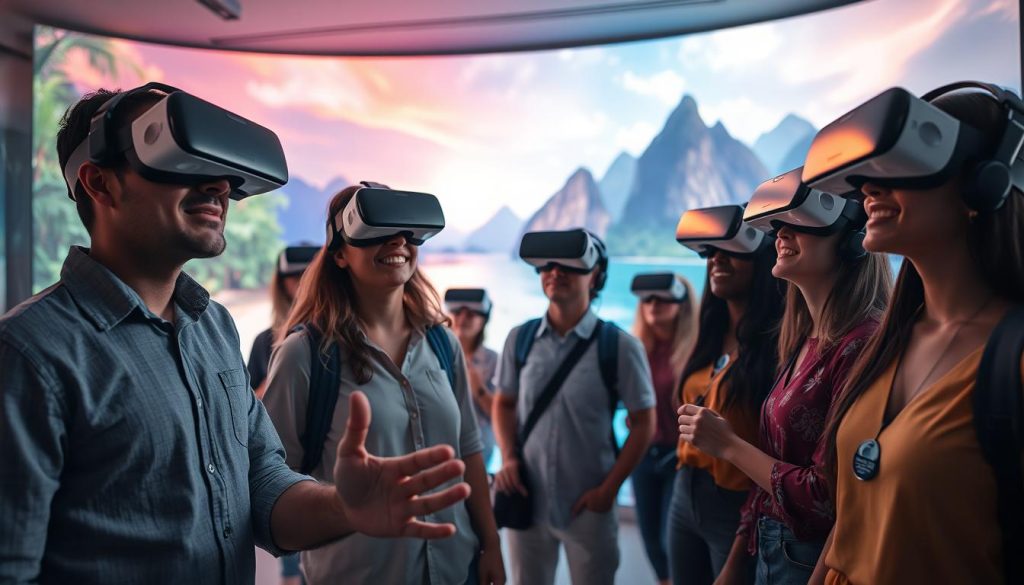
Many travelers now use these tools to preview destinations before they commit to a booking. By walking through a hotel room or exploring a city square in a virtual space, you can bridge the gap between your imagination and reality. This process helps reduce the anxiety often associated with planning a trip to an unknown location.
| Feature | Traditional Planning | Virtual Reality Planning |
|---|---|---|
| Visual Accuracy | Limited to 2D photos | High-fidelity 360 views |
| Spatial Awareness | Low | High |
| Decision Confidence | Moderate | Very High |
The Psychology Behind Virtual Exploration
The human brain is remarkably adept at accepting immersive environments as authentic experiences. When our senses are engaged by high-quality visuals and spatial audio, the brain often reacts as if the event is actually happening. This psychological phenomenon explains why digital travel experiences feel so vivid and memorable to the user.
“The true voyage of discovery consists not in seeking new landscapes, but in having new eyes.”
As we continue to refine these tools, the potential for VR globe-trotting grows even further. By tapping into our natural curiosity, this technology creates a bridge to the world that is both accessible and deeply personal. Embracing virtual reality travel is the next logical step for the modern, tech-savvy explorer.
Main Section 2: Benefits of Virtual Travel
The rise of immersive travel is breaking down barriers for explorers everywhere. By leveraging cutting-edge technology, we can now visit corners of the globe that were once considered off-limits. This shift represents a major evolution in how we perceive tourism and global discovery.
Accessibility for All
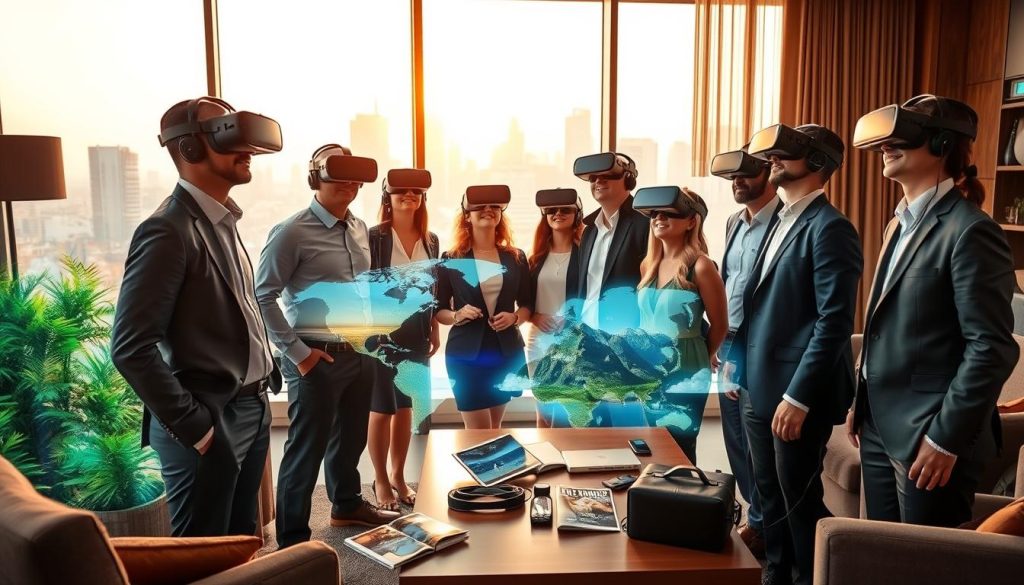
One of the most profound impacts of virtual reality travel is the newfound ability for individuals with mobility challenges to engage in tourism. Physical limitations no longer dictate the boundaries of one’s journey. People who cannot navigate rugged terrain or endure long flights can now enjoy the same sights as any other traveler.
This technology opens doors to remote exploration that would otherwise remain inaccessible. Whether it is walking through the ruins of Machu Picchu or diving into the Great Barrier Reef, the experience is now available to everyone. It fosters a sense of equality in the travel industry that was previously impossible to achieve.
“Technology is best when it brings people together, and virtual experiences are the ultimate bridge for those who cannot travel physically.”
Cost-Efficiency of Virtual Adventures
Traditional tourism often comes with a heavy price tag, including airfare, lodging, and daily expenses. Virtual reality travel offers a highly cost-effective alternative for those looking to satisfy their wanderlust on a budget. You can visit multiple continents in a single afternoon without spending thousands of dollars.
- Elimination of expensive flight tickets and airport transfers.
- No need for costly hotel accommodations or dining out.
- Access to premium, guided tours at a fraction of the price.
Reducing Environmental Impact
Beyond personal savings, immersive travel plays a vital role in protecting our planet. Long-haul flights are a significant contributor to global carbon emissions, which impact the very destinations we love to visit. By choosing virtual options, travelers can significantly reduce their carbon footprint.
This form of remote exploration allows us to appreciate the beauty of nature without causing physical wear and tear on fragile ecosystems. It is a sustainable way to satisfy our curiosity while preserving the world for future generations. Embracing this model ensures that we can continue to explore while acting as responsible stewards of the Earth.
Main Section 3: Popular Virtual Reality Travel Platforms
Technology in tourism has evolved from simple 360-degree videos to fully interactive, immersive travel experiences. Today, software developers and hardware manufacturers work together to bridge the gap between physical distance and digital presence. This rapid travel innovation allows users to explore global landmarks with unprecedented clarity and ease.
Leading Companies in VR Travel
Several platforms currently dominate the market by offering high-fidelity environments that transport users across the globe. These companies focus on photogrammetry and real-time rendering to ensure that every texture and light source feels authentic. The following table highlights some of the most prominent tools available for enthusiasts today.
| Platform | Primary Focus | Key Feature |
|---|---|---|
| Wander | Historical Exploration | Google Street View Integration |
| Brink Traveler | Nature & Landscapes | High-Fidelity Photogrammetry |
| Google Earth VR | Global Scale | Interactive World Map |
User Experiences and Feedback
Consumer feedback suggests that the success of these platforms relies heavily on the sense of presence they provide. Users often report that the most compelling immersive travel journeys are those that allow for spontaneous discovery rather than scripted paths. When the technology in tourism feels seamless, the barrier between the user and the destination begins to fade.
“The future of exploration is not just about seeing a place, but feeling the scale and atmosphere of a destination through digital innovation.”
Many enthusiasts emphasize that travel innovation is most effective when it includes social features. Being able to share a virtual hike or a museum tour with friends adds a layer of connection that solitary exploration lacks. As hardware becomes more comfortable and accessible, user satisfaction continues to climb across all major platforms.
Main Section 4: The Future of Travel and Technology
Looking ahead, the intersection of hardware and human experience promises to redefine how we see the world. As we push the boundaries of technology in tourism, the way we plan and experience our journeys is undergoing a radical shift. This evolution ensures that the future of travel remains exciting, accessible, and deeply immersive for everyone.
Innovations on the Horizon
The next wave of advancements focuses on sensory immersion. Engineers are currently developing sophisticated haptic feedback systems that allow users to feel textures and environmental changes while exploring digital landscapes. These tools will make VR globe-trotting feel remarkably authentic, bridging the gap between a screen and reality.
Beyond haptics, we expect to see lighter, more powerful headsets that offer high-fidelity visuals. These hardware improvements will eliminate motion sickness and provide a seamless transition into virtual environments. Such progress is essential for the long-term growth of technology in tourism.
The Hybrid Travel Model
A new trend is emerging that blends physical trips with virtual enhancements. This hybrid model allows travelers to use digital tools to prepare for their journeys or to explore historical sites in greater detail while on-site. By layering information over our physical surroundings, we gain a much deeper understanding of the places we visit.
This approach is particularly beneficial for educational tourism. Students and enthusiasts can now engage in VR globe-trotting to preview a destination before arriving, ensuring they maximize their time on the ground. The future of travel is clearly moving toward a seamless integration of these two worlds, creating a richer experience for every explorer.
Conclusion
The way we see the world is changing right before our eyes. Digital tools are reshaping our connection to distant lands, making the globe feel smaller and more accessible than ever before.
This shift represents the future of travel. By leveraging platforms like Google Earth VR or Meta Quest experiences, you can visit historical sites or natural wonders from your living room. This travel innovation removes barriers that once kept people from exploring diverse cultures.
Remote exploration provides a sustainable way to satisfy your curiosity without the carbon footprint of traditional transit. It invites you to learn about our planet in a thoughtful, immersive manner. You might use these digital resources to plan your next physical trip or simply to broaden your horizons from home.
Start your journey today by downloading a VR app or exploring a 360-degree tour. Your next great adventure is only a click away.