




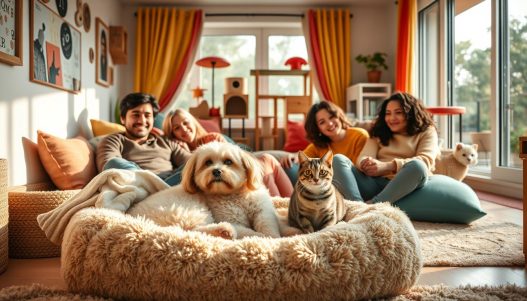
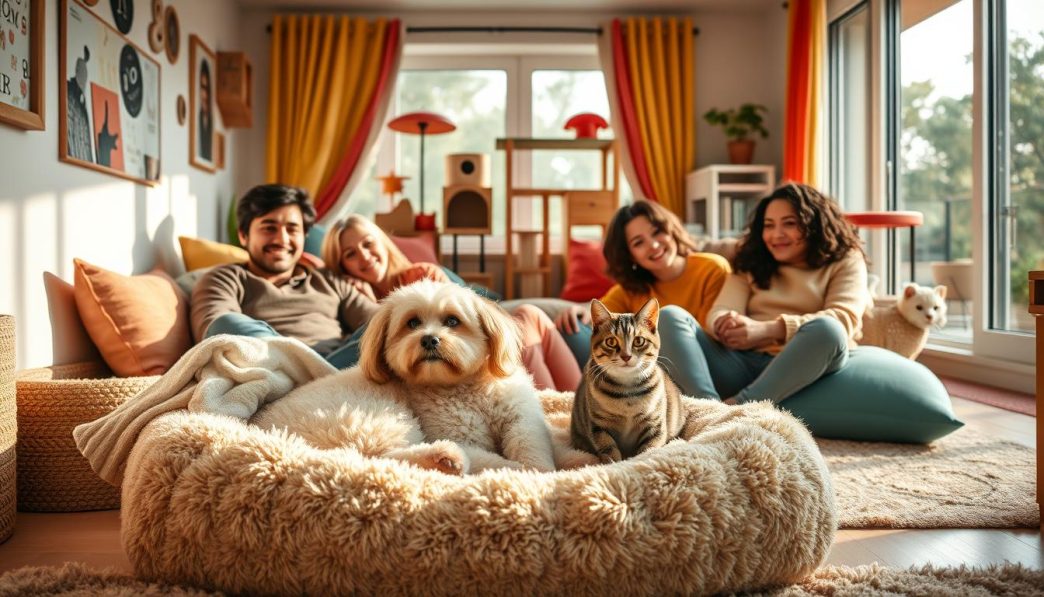
Your house is more than just a structure; it is a sanctuary for everyone living inside. When you prioritize thoughtful interior planning, you elevate the daily experience for your animal companions. Integrating specific needs into your living area fosters a deeper bond and ensures your furry friends feel truly at home.
Effective home design for pets goes beyond simple aesthetics. It involves creating functional zones that respect natural instincts while maintaining your personal style. By focusing on Pet Comfort, you transform ordinary rooms into serene retreats that offer security and relaxation.
This intentional approach helps reduce stress and encourages positive behavior. When your space caters to the unique requirements of your animals, you create a harmonious environment where everyone thrives together.
Key Takeaways
- Prioritize animal well-being through intentional interior planning.
- Create functional zones that respect natural instincts.
- Balance aesthetic appeal with practical needs for your animals.
- Reduce stress by providing dedicated, serene retreat areas.
- Enhance the quality of life for both owners and animals.
Main Section 1: Understanding Your Pet’s Comfort Needs
To foster genuine pet relaxation, you must first identify what makes your animal feel at ease. Every pet has distinct instincts that dictate how they interact with their surroundings. By observing their behavior, you can create a home that supports their physical and emotional health.
The Importance of Space
Providing dedicated pet spaces is essential for any animal that needs a place to retreat. When a home becomes too busy, your companion needs a quiet corner to recharge. These zones act as a sanctuary where they can feel secure and undisturbed.
You should choose a location that is away from high-traffic areas like hallways or kitchens. A soft bed or a crate with a blanket can transform a simple corner into a cozy haven. This consistency helps build confidence and improves overall Pet Comfort.
Temperature Control
Maintaining a stable ambient temperature is a critical factor in your pet’s daily life. Animals are often more sensitive to heat and cold than humans, which can lead to unnecessary stress. You should ensure their favorite resting spots are kept away from drafty windows or direct heating vents.
- Use cooling mats during the summer months.
- Provide extra blankets for warmth in the winter.
- Monitor humidity levels to prevent respiratory discomfort.
Noise Control
Loud sounds can easily disrupt pet relaxation, especially for animals with sensitive hearing. Sudden noises from appliances or outdoor traffic may cause anxiety. You can mitigate these issues by using soft rugs or curtains to dampen sound in their primary living areas.
Creating a calm environment requires attention to detail. The following table outlines how different environmental factors influence the well-being of your companions.
| Factor | Ideal Condition | Impact on Pet |
|---|---|---|
| Temperature | 68°F – 74°F | Prevents overheating or shivering |
| Noise Level | Low/Consistent | Reduces anxiety and startle reflex |
| Space Type | Private/Quiet | Encourages deep rest and security |
| Lighting | Soft/Natural | Supports healthy sleep cycles |
By focusing on these fundamental pet spaces, you ensure that your home remains a place of Pet Comfort. Taking these small steps will lead to a happier and more relaxed animal.
Main Section 2: Choosing the Right Furnishings
Selecting the right furnishings is the secret to balancing your personal style with your pet’s need for comfort. When you prioritize high-quality materials, you ensure that your home remains a beautiful space while providing essential support for your companions. Thoughtful choices allow you to create cozy pet areas that feel like a natural extension of your decor.
Pet-Friendly Furniture
Investing in durable pet furniture is a smart move for any pet owner. Look for fabrics that resist scratches and are easy to clean, such as heavy-duty microfiber or treated canvas. These materials stand up to daily wear while keeping your home looking fresh and inviting.
Beyond durability, consider the ergonomic needs of your animal. Furniture with orthopedic foam or reinforced frames provides maximum support for aging joints. By choosing pieces designed with your pet in mind, you promote better health and relaxation throughout the day.
Bedding Basics
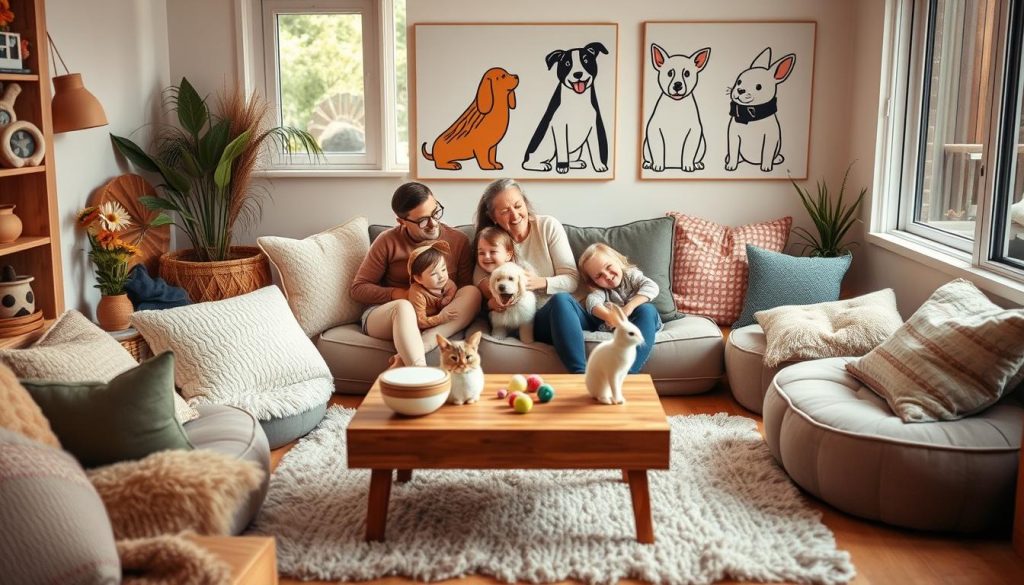
Quality pet bedding serves as the foundation for a restful sleep environment. You should look for options that offer proper insulation to keep your pet warm during colder months and cool during the summer. High-density foam or plush materials provide the softness your pet craves after a long day of play.
Always check for removable, machine-washable covers to maintain hygiene. A clean bed is vital for preventing odors and keeping your living space fresh. Investing in durable bedding ensures that your pet feels secure and comfortable in their designated spot.
Stylish and Functional Accessories
Accessories help tie your home together while serving a practical purpose. Consider decorative storage bins for toys or elevated feeding stations that blend seamlessly with your interior design. These items keep clutter at bay while ensuring your pet has easy access to their essentials.
Choosing accessories that match your existing color palette creates a cohesive look. When functionality meets style, you can easily maintain cozy pet areas that you and your pet will both love. Remember that the best accessories are those that simplify your routine while enhancing your pet’s daily experience.
Main Section 3: Creating Cozy Spaces in Every Room
Every room in your house offers a unique opportunity to create a special spot for your pet. Thoughtful home design for pets allows you to blend animal needs with your personal style seamlessly. By planning ahead, you ensure that your companions feel included in your daily life without cluttering your living areas.
Living Room Comfort Zones
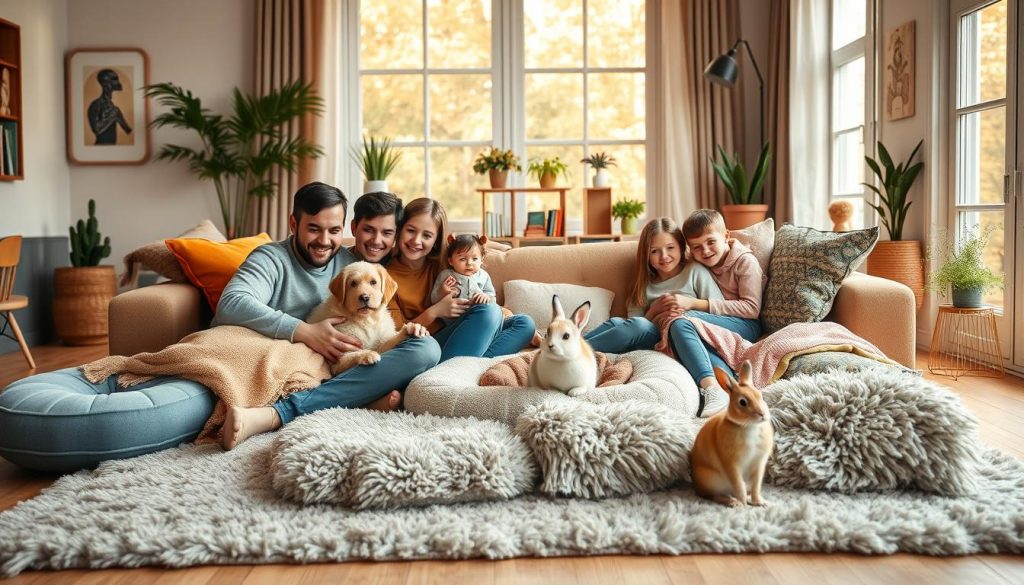
The living room is often the heart of the home, making it the perfect place to establish cozy pet areas. You can arrange your furniture to create natural nooks that provide your pet with a sense of security while they remain close to you. Placing a stylish bed or a soft rug in a corner near the sofa offers a dedicated spot for them to relax during movie nights.
Bedroom Retreats
Establishing a quiet bedroom retreat is essential for your pet’s nighttime security. A small, tucked-away corner with a plush bed helps your pet feel safe and calm when it is time to sleep. Consistency is key when setting up these pet spaces, as it helps your animal understand where they can retreat for rest and solitude.
Safe Outdoor Spaces
Designing safe outdoor areas allows your pets to enjoy fresh air while staying protected from environmental hazards. Whether you have a large backyard or a small patio, you can create secure zones that prevent wandering while encouraging play. Proper home design for pets outdoors often includes sturdy fencing and shaded spots to keep them cool during sunny afternoons.
Ultimately, creating these dedicated zones improves the quality of life for your pets. When you prioritize cozy pet areas, you reduce anxiety and promote better behavior throughout the house. Investing time in these pet spaces ensures that every member of your family feels right at home.
Main Section 4: Maintaining a Comfortable Environment
Creating a sanctuary for your furry friend is an ongoing process of care and attention. A clean space is not just about aesthetics; it is essential for the long-term health and happiness of your companion. By staying proactive, you ensure that your home remains a safe and inviting retreat.
Regular Cleaning and Care
Dust, dander, and allergens can quickly accumulate in your living space. To keep your home healthy, you must establish a routine for your pet furniture. Regular maintenance prevents the buildup of unwanted odors and keeps surfaces hygienic for everyone.
Follow these simple steps to keep your pet’s area pristine:
- Vacuum fabric surfaces weekly to remove loose hair and debris.
- Wipe down hard surfaces with pet-safe, non-toxic cleaners.
- Wash removable covers on pet bedding at least twice a month.
- Check for signs of wear or damage to prevent potential safety hazards.
Personalizing the Comfort Zone
Beyond cleanliness, your pet needs to feel a sense of ownership over their space. Adding personal touches helps them feel truly at home and secure. You can easily customize their environment to reflect their unique personality and preferences.
Consider placing a favorite blanket or a well-loved toy near their pet bedding to provide a sense of security. Familiar scents act as a comforting anchor, especially for pets that experience anxiety. When they recognize their own items, they are more likely to relax and rest peacefully.
You might also rearrange their pet furniture occasionally to keep their environment stimulating. Adding a soft pillow or a new chew toy can make a world of difference in their daily routine. Small, thoughtful gestures show your pet that they are a cherished member of the family.
Conclusion
Building a dedicated retreat for your furry friend strengthens the bond you share every single day. A well-planned environment does more than provide a place to sleep. It creates a sense of security that improves overall Pet Comfort for dogs and cats alike.
You might start by adding a soft Casper dog bed or a stylish Catit scratcher to a quiet corner. These small additions signal to your pet that they have a safe place to call their own. Prioritizing these details leads to deeper pet relaxation during your busy work week.
Observe how your companion reacts to different textures and light levels in your home. Adjusting your layout based on their unique personality ensures long-term happiness. Share your favorite design tips or photos of your completed projects with our community. We love seeing how you bring these ideas to life for your beloved companions.