




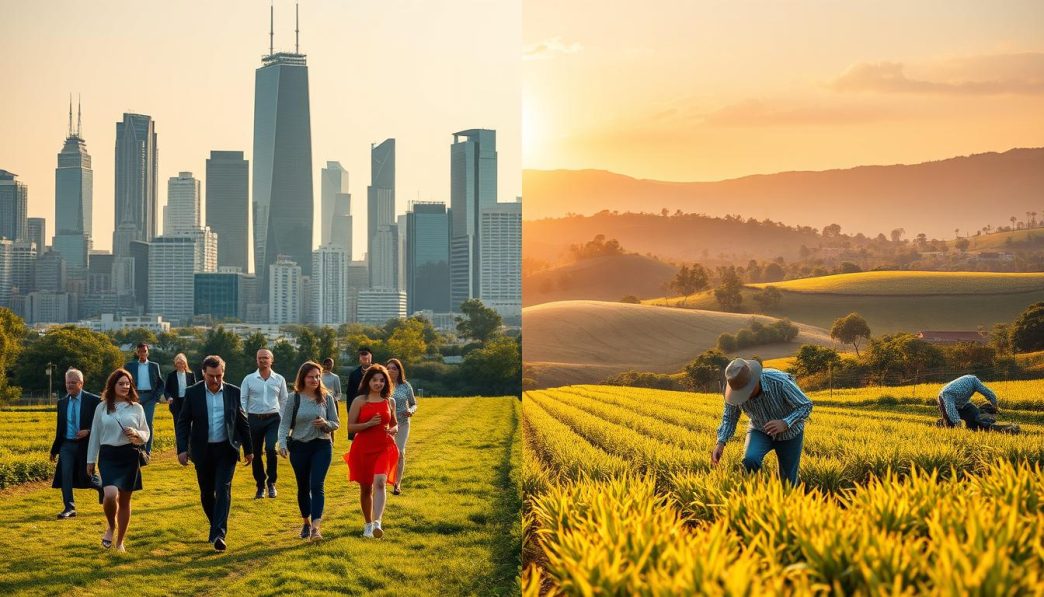
Have you ever wondered if your zip code influences your future? Where we choose to live does more than just define our daily commute; it plays a critical role in our overall health outcomes. Your environment acts as a silent partner in your personal journey toward greater longevity.
Research shows a clear connection between geographic location and the biological markers that influence human lifespan. Whether you reside in a bustling city or a quiet countryside, your surroundings shape your habits, stress levels, and access to resources. These factors accumulate over several decades to impact your vitality.
Understanding this link is the first step toward taking control of your well-being. By examining how your home environment affects your body, you can make informed choices to support a longer, healthier lifespan. Let’s explore how your surroundings contribute to your unique path toward longevity.
Key Takeaways
- Geography significantly influences long-term health outcomes and biological markers.
- Urban and rural settings offer distinct advantages and challenges for daily wellness.
- Environmental factors like air quality and stress levels accumulate over decades.
- Small changes in your living environment can lead to better health results.
- Understanding your surroundings empowers you to make proactive choices for your future.
Main Section 1: Urban Living and Its Challenges
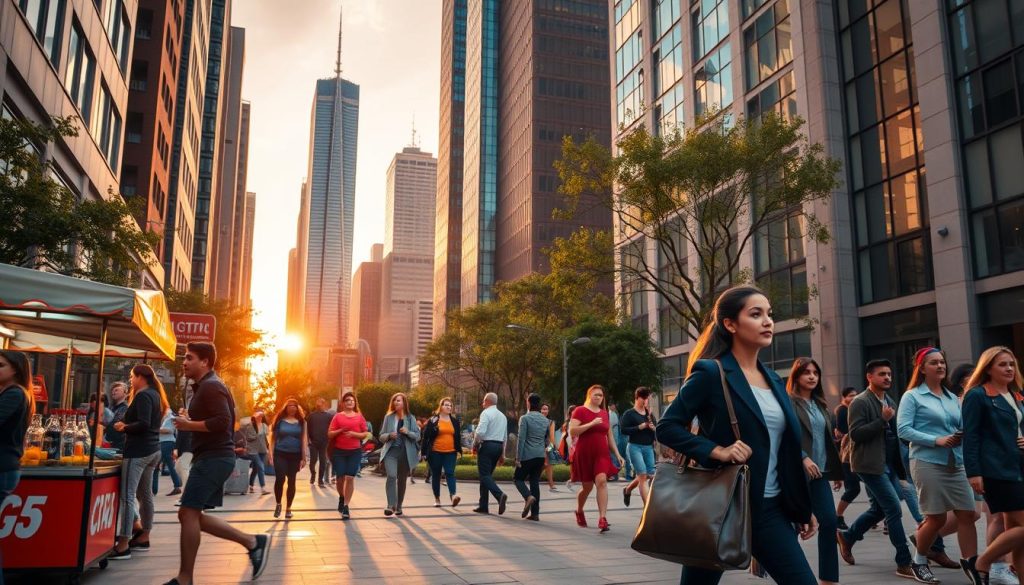
The rhythm of metropolitan life is fast, yet it often hides significant environmental factors that impact your well-being. While cities provide endless opportunities, they also present unique hurdles that residents must navigate daily. Understanding these trade-offs is essential for anyone looking to balance a fast-paced career with personal health.
Air Quality and Health
One of the most pressing concerns in densely populated areas is the quality of the air you breathe. High traffic volume and industrial activity often lead to elevated levels of particulate matter. These pollutants can significantly affect your respiratory system over time.
Chronic exposure to poor air quality is linked to various health issues, including asthma and reduced lung function. Many city dwellers find that their physical health is directly tied to the air quality index of their specific neighborhood. Taking proactive steps, such as using air purifiers, can help mitigate some of these risks.
Stress Levels in Urban Environments
The constant noise and high-density population contribute to a unique set of lifestyle differences compared to quieter regions. Living in a city often means dealing with sensory overload, which can keep your nervous system in a state of high alert. This chronic stimulation frequently leads to elevated cortisol levels.
Over time, this persistent stress can manifest as fatigue, anxiety, or sleep disturbances. Finding quiet pockets within the concrete jungle is vital for maintaining mental clarity. Many residents prioritize regular breaks in local parks to counteract the intensity of their surroundings.
Access to Healthcare
While cities are often home to world-class medical facilities, the sheer density of the population can create complex disparities. You might live near a top-tier hospital, yet face long wait times for routine appointments. This paradox is a common frustration for those engaged in urban living.
The following table highlights the primary differences in health stressors between urban and rural settings:
| Stress Factor | Urban Impact | Rural Impact |
|---|---|---|
| Air Quality | High pollution levels | Generally cleaner air |
| Noise Levels | Constant background noise | Natural, quiet environment |
| Healthcare Access | High density, long waits | Lower density, travel time |
| Social Pace | Fast and demanding | Slower and community-focused |
Main Section 2: The Benefits of Rural Living
Rural living provides a distinct set of advantages that can profoundly influence your long-term health trajectory. By stepping away from the dense infrastructure of major cities, individuals often encounter environmental factors that promote a more balanced existence. This transition can be a vital step for those looking to improve their overall quality of life.
Access to Nature and Green Spaces
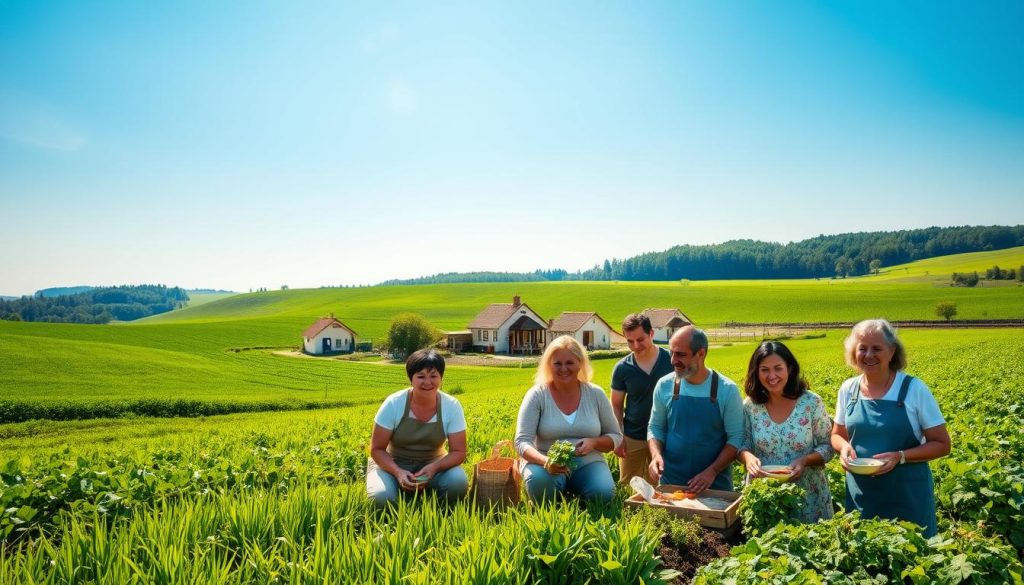
One of the most significant perks of living in the countryside is the immediate outdoor access to expansive green spaces. Being surrounded by nature has a restorative power that helps lower cortisol levels and reduces mental fatigue. When you can step outside your door into a quiet forest or field, the constant noise of traffic is replaced by the calming sounds of the natural world.
Cleaner air is another major contributor to better rural health outcomes. Without the heavy concentration of industrial pollutants found in urban centers, residents often enjoy improved respiratory function. This environment encourages people to spend more time moving, which naturally boosts physical fitness levels.
Community and Social Support
Smaller towns often foster tighter-knit community structures that are harder to find in large, transient cities. These social bonds act as a safety net, providing emotional support that is essential for long-term mental well-being. Knowing your neighbors creates a sense of belonging that can significantly reduce feelings of isolation.
This social cohesion is a key component of rural health. When people feel connected to their neighbors, they are more likely to look out for one another during difficult times. This supportive atmosphere helps mitigate the stress that often leads to chronic health issues in more anonymous, fast-paced environments.
Lifestyle and Diet Differences
The lifestyle differences found in rural areas often lead to more active daily routines. Many residents engage in gardening, home maintenance, or outdoor hobbies that keep them moving throughout the day. This consistent, low-intensity physical activity is a great way to maintain heart health without the need for a gym membership.
Furthermore, rural living often provides better access to fresh, locally sourced food. By participating in local farmers’ markets or growing their own produce, residents can enjoy a diet rich in nutrients. These lifestyle differences play a crucial role in preventing diet-related illnesses and promoting longevity through better nutrition and increased outdoor access.
Main Section 3: The Role of Infrastructure
Infrastructure serves as the silent architect of our daily health habits and overall well-being. The way our cities and towns are built directly influences how much we move throughout the day. When we consider urban living, the design of our streets and transit systems often dictates our physical activity levels.
Transportation and Its Impact on Mobility
Public transportation systems act as a double-edged sword for residents. In many cities, relying on buses or trains requires a fair amount of walking to reach stations, which naturally increases daily step counts. This active commuting helps integrate exercise into a busy schedule without needing a gym membership.
However, poor transit connectivity can force a reliance on personal vehicles, which significantly reduces daily movement. When infrastructure prioritizes cars over pedestrians, it creates barriers to staying active. Efficient public transit is therefore a cornerstone of a healthy, mobile population.
Availability of Recreational Facilities
Beyond transportation, the presence of local parks and community centers is vital for public health. Easy outdoor access to green spaces encourages residents of all ages to engage in regular physical activity. Whether it is a neighborhood playground or a walking trail, these facilities provide the necessary space for exercise.
Communities that invest in diverse recreational options see higher rates of engagement in sports and fitness. Accessibility remains the most important factor here, as facilities must be within a reasonable distance to be used consistently. When outdoor access is prioritized in urban planning, it fosters a culture of wellness that benefits everyone.
Ultimately, the physical design of our environment is not just about convenience. It is a fundamental component of how we maintain our health in modern urban living. By focusing on better transit and more recreational spaces, we can build communities that support a longer, more active life.
Main Section 4: Urban-Rural Transition: The Best of Both Worlds
Innovation is effectively erasing the traditional boundaries that once separated urban convenience from the benefits of nature. Many people now seek a lifestyle that combines the fast-paced opportunities of the city with the restorative power of the natural environment. This shift is creating a new standard for modern living that prioritizes both efficiency and personal well-being.
Trends in Urban Gardening and Green Living
Urban gardening is transforming concrete jungles into vibrant, living spaces that offer fresh produce and cleaner air. By utilizing rooftops, balconies, and community plots, city dwellers are reclaiming their connection to the earth. These green initiatives do more than just beautify the skyline; they actively improve local air quality and provide residents with nutritious, home-grown food options.
Sustainable living is no longer reserved for those in the countryside. Small-scale vertical farming and hydroponic systems allow individuals to grow herbs and vegetables in limited spaces. This movement fosters a sense of community and self-sufficiency that was previously difficult to achieve in dense metropolitan areas.
Telehealth and Rural Healthcare Innovations
While cities gain green space, remote areas are seeing a massive upgrade in medical accessibility. Advancements in digital platforms are revolutionizing rural health by connecting patients with top-tier specialists regardless of their physical location. This technology ensures that distance is no longer a barrier to receiving high-quality medical attention.
Telehealth services allow for routine check-ups, mental health counseling, and chronic disease management from the comfort of home. By reducing the need for long-distance travel, these innovations significantly improve the overall standard of rural health for families living in isolated regions. The integration of these digital tools is a vital step toward closing the healthcare gap between different geographic settings.
| Feature | Traditional Urban | Traditional Rural | Modern Integrated |
|---|---|---|---|
| Access to Care | High Proximity | Limited Access | Telehealth Enabled |
| Green Space | Minimal | Abundant | Urban Gardening |
| Lifestyle Pace | Very Fast | Very Slow | Balanced Flexibility |
Conclusion
Where you live acts as a silent partner in your health journey. Every neighborhood offers unique trade-offs that influence your daily habits and long-term vitality.
You hold the power to shape your personal lifespan through intentional daily choices. Whether you reside in a bustling city or a quiet rural town, your environment does not dictate your destiny.
Focus on the factors that matter most to your physical and mental state. Seek out fresh air, build strong social bonds, and utilize modern tools like telehealth to bridge gaps in your local infrastructure.
Prioritizing these elements supports your longevity regardless of your zip code. Take a moment to evaluate your current surroundings today. Small adjustments to your routine can create a lasting impact on your health for years to come.