




In our fast-paced modern world, finding a moment of peace often feels like a luxury. Many of us juggle endless responsibilities, leaving our mental health in a state of constant tension. It is time to prioritize your well-being by looking toward the earth for gentle, effective support.
Botanical allies offer a compassionate way to regain your inner calm. By choosing Natural Remedies for Stress Relief, you are making a proactive decision to nurture your body and mind with time-honored traditions.
Embracing these plant-based solutions can transform how you handle daily pressure. This approach provides sustainable stress relief that works in harmony with your lifestyle. Let us explore how these simple, green solutions can help you reclaim your balance and thrive.
Key Takeaways
- Prioritizing mental health is essential in today’s busy environment.
- Herbal options provide a gentle alternative to synthetic solutions.
- Proactive self-care helps maintain long-term emotional stability.
- Botanical support works in harmony with your body’s natural rhythms.
- Small, consistent changes lead to significant improvements in well-being.
Understanding Stress and Its Effects
Understanding how your body reacts to pressure is the first step toward better mental health. While stress is often viewed as a negative force, it is actually a complex biological survival mechanism designed to keep us safe.
The Science Behind Stress
When you encounter a threat, your brain triggers the “fight or flight” response. This process releases hormones like cortisol and adrenaline into your bloodstream. These chemicals prepare your muscles for action and sharpen your focus.
“Stress is not what happens to us. It is our response to what happens. And response is something we can choose.”
In our modern world, this system often stays activated for too long. Chronic exposure to these hormones can lead to long-term exhaustion. Learning to regulate this response is essential for effective anxiety management.
Common Signs of Stress
Your body often sends warning signals long before you realize you are overwhelmed. Recognizing these symptoms early allows you to intervene before burnout occurs. Common indicators include:
- Persistent muscle tension or headaches.
- Unexplained fatigue or difficulty sleeping.
- Frequent irritability or mood swings.
- A racing heart or digestive discomfort.
Conventional vs. Natural Approaches to Stress Management
Choosing the right path for your well-being depends on your personal needs and the severity of your symptoms. Many people find success by combining modern medical advice with natural remedies to create a holistic strategy.
| Approach | Primary Focus | Typical Tools |
|---|---|---|
| Conventional | Symptom suppression | Pharmaceuticals, therapy |
| Natural | System balance | Herbs, lifestyle shifts |
| Integrated | Comprehensive care | Combined strategies |
By weighing these options, you can take control of your mental health journey. Whether you prefer clinical support or gentle natural remedies, the goal remains the same: finding balance in a busy world.
The Role of Herbal Medicine in Stress Relief
Herbal medicine offers a gentle yet effective way to support your nervous system during challenging times. For centuries, cultures around the world have relied on plants to restore harmony and promote a sense of calm. These botanical therapies work in tandem with your body to encourage natural healing processes.
Introduction to Herbal Remedies
The beauty of using plants for wellness lies in their holistic approach to health. Rather than just masking symptoms, these remedies aim to nourish the body and mind. Many people find that incorporating these natural gifts into their lives helps them feel more grounded and resilient.

Key Adaptogenic Herbs
A special group of plants known as adaptogens stands out for its unique ability to help the body manage stress. These powerful herbs assist in maintaining balance, regardless of whether the stress is physical or emotional. Some of the most popular options include:
- Ashwagandha: Often used to support a calm mood and steady energy levels.
- Rhodiola Rosea: Known for helping the body adapt to fatigue and mental strain.
- Holy Basil: A revered herb that promotes mental clarity and emotional well-being.
How Herbs Affect the Body
These botanical therapies interact with our internal systems through complex biological pathways. When you consume these plants, they help regulate the body’s stress response system, often referred to as the HPA axis. By modulating these signals, adaptogens help prevent the “fight or flight” response from staying active for too long.
This process fosters a state of equilibrium, allowing your body to recover more efficiently from daily pressures. Embracing this wisdom of nature provides a sustainable way to maintain your health. It is a testament to how simple, plant-based support can make a significant difference in your overall quality of life.
Practical Applications of Herbal Remedies
Practical application is the bridge between knowing about herbs and feeling their benefits. By turning natural remedies into simple habits, you can create a sustainable path toward emotional balance. These small, intentional actions help you manage the demands of a busy life with greater ease.
Making Herbal Teas
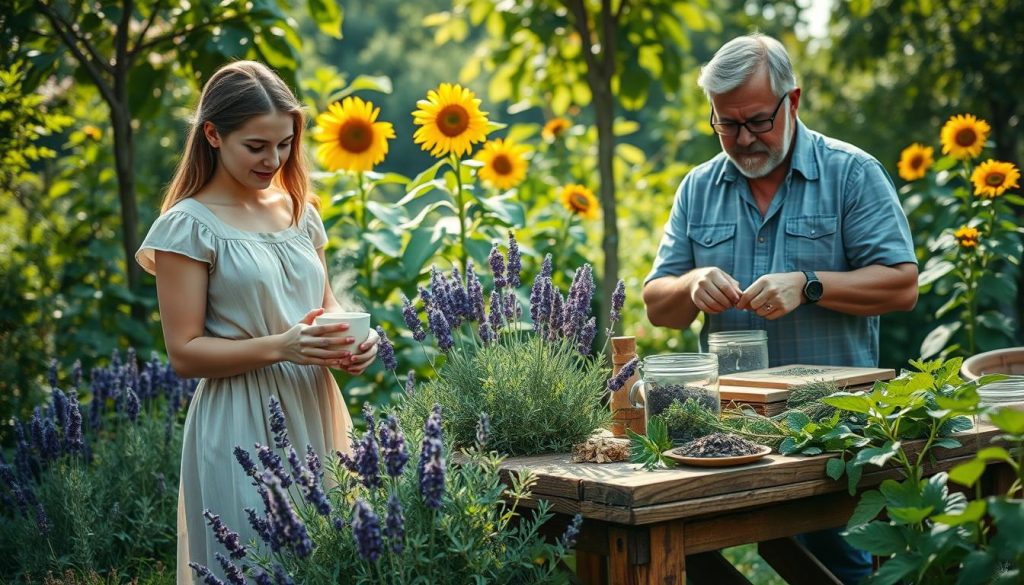
Brewing a cup of tea is one of the most accessible ways to practice mindful relaxation. To get the most out of your herbs, always cover your mug while the tea steeps to keep the volatile oils inside. This simple step ensures you receive the full potency of the plant’s calming properties.
For effective stress relief, try combining chamomile with lemon balm. These herbs work together to soothe the nervous system after a long day. Sipping your tea slowly allows you to pause and reconnect with the present moment.
Essential Oils for Stress Relief
Aromatherapy offers a powerful way to shift your mood through your sense of smell. Using a diffuser with lavender or bergamot oil can instantly transform your home into a sanctuary. These botanical therapies interact with the limbic system to promote a sense of safety and calm.
You can also apply diluted essential oils to your pulse points for on-the-go support. Keep a small roller bottle in your bag for those moments when you feel overwhelmed. This sensory anchor helps you regain your composure during high-pressure situations.
Incorporating Herbs into Your Daily Routine
Consistency is the secret to seeing real results with herbal support. Try pairing your herbal intake with an existing habit, such as drinking a cup of tea while you read or using a diffuser during your evening wind-down. By anchoring these practices to your current schedule, you make wellness a natural part of your day.
Remember that botanical therapies are most effective when used as part of a holistic lifestyle. Start small by choosing one or two natural remedies that fit your preferences. Over time, these tiny adjustments will build a foundation for long-term stress relief and inner peace.
Beyond Herbs: Complementary Practices for Stress Management
Achieving true balance requires looking beyond simple remedies to embrace a lifestyle of holistic wellness. While natural support is vital, your daily habits act as the foundation for long-term emotional stability. By combining these practices, you create a powerful synergy that helps your body handle life’s pressures with greater ease.
Mind-Body Techniques
Integrating mind-body practices is a proven way to amplify the benefits of adaptogens. Techniques like deep breathing and mindfulness meditation signal your nervous system to shift from a state of alert to a state of calm. This transition is essential for effective anxiety management in a fast-paced world.
You do not need hours of practice to see results. Even five minutes of focused breathing can lower your heart rate and clear your mind. When you pair these moments of stillness with your herbal routine, you create a comprehensive strategy for mental clarity.
Nutrition and Hydration
What you put into your body directly influences your mood and energy levels. Proper nutrition provides the building blocks for neurotransmitters that regulate stress. Staying well-hydrated is equally important, as even mild dehydration can increase cortisol levels and make anxiety management more difficult.
- Focus on whole, nutrient-dense foods like leafy greens and berries.
- Prioritize complex carbohydrates to keep blood sugar levels steady.
- Drink water consistently throughout the day to support brain function.
Creating a Relaxation Space
Your environment plays a significant role in your ability to unwind after a long day. Establishing a dedicated relaxation space at home provides a physical sanctuary where you can disconnect from external stressors. This area should be free from digital distractions and filled with items that bring you peace.
Consider adding soft lighting, comfortable seating, or natural elements like plants to your space. This intentional design helps your brain associate the area with rest and recovery. Below is a guide to help you compare different lifestyle habits that support your journey toward better health.
| Practice | Primary Benefit | Frequency |
|---|---|---|
| Deep Breathing | Immediate Calm | Daily |
| Mindful Eating | Stable Energy | Every Meal |
| Sanctuary Time | Mental Reset | Weekly |
| Hydration | Cortisol Control | Constant |
Conclusion
Your path to lasting calm begins with the small choices you make every single day. Integrating herbal medicine into your routine serves as a gentle reminder that nature provides powerful tools for restoration. These botanical allies work best when paired with mindful habits that honor your body and mind.
True peace comes from a commitment to holistic wellness. This journey is unique to your specific needs and lifestyle. You might find that a cup of chamomile tea or a few drops of lavender oil from brands like Mountain Rose Herbs helps you reset after a long afternoon. Keep experimenting to discover which practices bring you the most comfort.
You possess the power to cultivate tranquility in your own life. Trust your intuition as you explore new ways to support your health. By prioritizing your well-being, you create a foundation for a balanced and vibrant future. Start your practice today and enjoy the quiet strength that comes from living in harmony with nature.